 ✨ AI Generated
Toko-in Hagi-no-Tera Temple
Japanese: 東光院 萩の寺
Toyonaka, Osaka
This information was written by AI and may contain mistakes. Please check official sources for opening hours, fees, and other details before you go.
Found a mistake? Let us know with “✏️ Something's wrong” on this spot's screen in asobot →
🎧 Audio guide(1:21)
In short
A temple that originated in 735 (Tenpyo 7), during the Nara period, when Gyoki built a Yakushi-do hall in what is now Kita Ward, Osaka City; in 1914 (Taisho 3), it was relocated to its current site in Minami-Sakurazuka, Toyonaka City. Having protected and cultivated the hagi (bush clover), memorial flowers originating from those planted by Gyoki, for approximately 1,300 years, the temple has long been affectionately known as "Hagi-no-Tera."
- Approximately 3,000 Bushes of Bush Clover: Every autumn, about 3,000 bushes of bush clover bloom in full glory across the temple grounds. The "Hagi Festival Doryo-sai" is held from mid to late September
- Numerous Principal Images: The temple enshrines many principal images, including the Yakuyoke Yakushi Nyorai donated by Kamehime, the eldest daughter of Tokugawa Ieyasu; Doryo Daigongen, whose spirit was ceremonially invited and enshrined by Toyotomi Hideyoshi; and the "Koyori Juichimen Kannon," said to have been the personal devotional Buddhist image (nenjibutsu) of Emperor Go-Daigo
- Haiku Monuments and Shuro-en Garden: Monuments inscribed with poems by many haiku poets, including Masaoka Shiki and Takahama Kyoshi, stand on the grounds. The "Shuro-en" garden, named by Kitaoji Rosanjin, has been selected as one of the "100 Greenery Views of Osaka"
History and Highlights
Toko-in Hagi-no-Tera Temple originated in 735, during the Nara period (Tenpyo 7), when the monk Gyoki built a Yakushi-do hall in what is now Kita Ward, Osaka City. In 1914 (Taisho 3), it was relocated to its current site in Minami-Sakurazuka, Toyonaka City. The temple enshrines Yakushi Nyorai, carved by Gyoki himself, as its principal secret Buddhist image (hibutsu).
Having protected and cultivated the hagi (bush clover)—memorial flowers originating from those planted by Gyoki—for approximately 1,300 years, the temple has long been affectionately known as "Hagi-no-Tera" (Bush Clover Temple). It is the 12th temple of the Shin Saigoku Pilgrimage and the 1st temple of the Saigoku Seven Lucky Gods Pilgrimage. In addition to inheriting a Toshogu shrine that was once in Osaka, it is also said that Yodo-dono, a concubine of Toyotomi Hideyoshi, frequently visited here.
Highlights for Viewing and Experience
- Approximately 3,000 Bushes of Bush Clover: Every autumn, about 3,000 bushes of bush clover bloom in full glory across the temple grounds. Some varieties of bush clover bloom not only in autumn, but also in early summer.
- Numerous Principal Images: The temple enshrines many principal images, including the Yakuyoke Yakushi Nyorai donated by Kamehime, the eldest daughter of Tokugawa Ieyasu; Doryo Daigongen, whose spirit was ceremonially invited and enshrined by Toyotomi Hideyoshi; the "Koyori Juichimen Kannon," said to have been the personal devotional Buddhist image (nenjibutsu) of Emperor Go-Daigo; and the "Agonashi Jizo-son," which was handed down from Oki Island.
- Haiku Monuments and Shuro-en Garden: Monuments inscribed with poems by many haiku poets, including Masaoka Shiki and Takahama Kyoshi, stand on the grounds, and various literati and artists have visited throughout its history. The "Shuro-en" garden, named by Kitaoji Rosanjin, has been selected as one of the "100 Greenery Views of Osaka."
Tips for Visiting
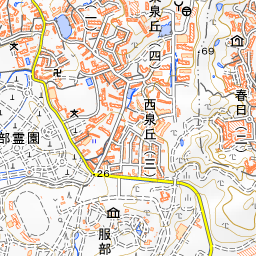
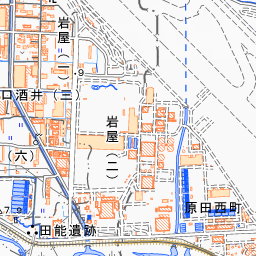
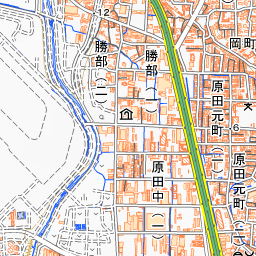
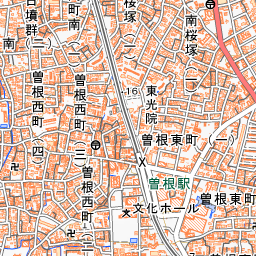
It is a 4-minute walk from Sone Station on the Hankyu Takarazuka Line. The "Hagi Festival Doryo-sai" is held from mid to late September. The 24th of every month is the ennichi (festival day) of Agonashi Jizo-son. A typical visit takes about 30 minutes to an hour. About 1.5 kilometers to the south-southeast is Hattori Tenjingu Shrine, known for the deity of feet and legs, and about 1.3 kilometers to the west-southwest is the Senri River Embankment, where you can watch landing airplanes up close.
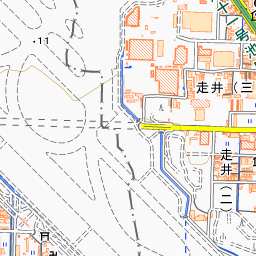
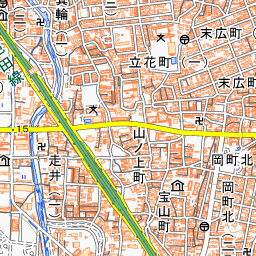
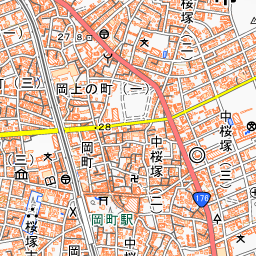
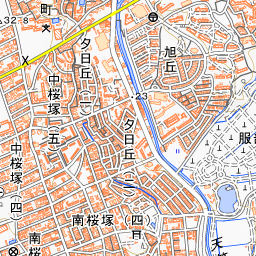
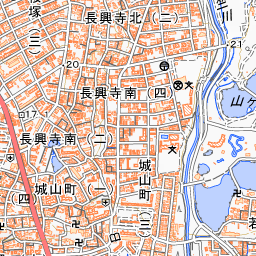
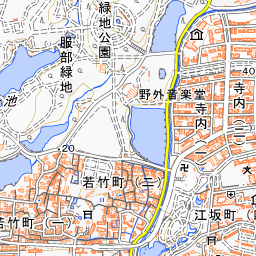
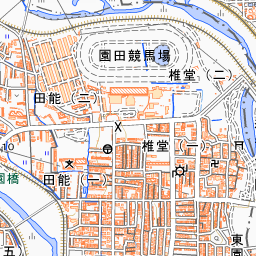
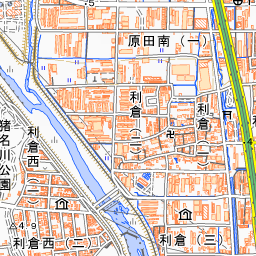
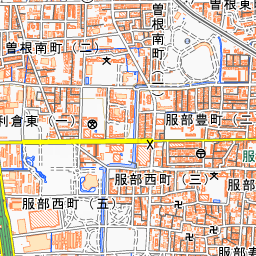
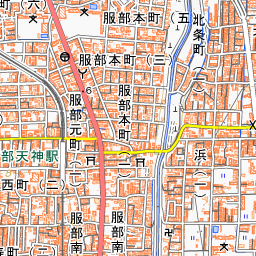

Spot location © OpenStreetMap contributors (ODbL)
Open in Google MapsUse asobot while you walk
- See where you are on the map and find spots nearby
- Listen to the guide's audio in course order, one after another (with subtitles)
- Walk to the next spot while following the map
Open on your phone
Scan to open this spot in asobot on your phone.