
Kibitsu-jinja Shrine
Japanese: 吉備津神社
Fukuyama, Hiroshima
This information was written by AI and may contain mistakes. Please check official sources for opening hours, fees, and other details before you go.
Found a mistake? Let us know with “✏️ Something's wrong” on this spot's screen in asobot →
🎧 Audio guide(1:03)
In short
Kibitsu-jinja Shrine is a shrine in Shin'ichi-cho, Fukuyama City, considered the ichinomiya (first shrine) of Bingo Province during the medieval period, and it is still fondly called "Ikkyu-san" locally. Its founding is believed to date back to 806, early in the Heian period, and the main sanctuary (honden), built in 1648, is a National Important Cultural Property.
- Shrine Buildings in a Straight Line: From the torii gate to the honden, the two zuishinmon gates, the kaguraden (sacred dance pavilion), the haiden (worship hall), and other buildings are aligned in a single straight line, bringing visitors closer to the inner honden with each gate passed
- The Roof of the Main Sanctuary: The large cypress-bark roof, where the chidori hafu on the front overlaps with the noki-karahafu on the canopy over the steps, shows the form of an early Edo-period shrine
- Hexagonal Lantern Associated with the Domain Lord: It is said to have been donated by Mizuno Katsunari, the first lord of the Fukuyama Domain, to commemorate the restoration of the honden
History and Highlights
Kibitsu-jinja Shrine is a shrine located in Shin'ichi-cho, Fukuyama City, and was considered the ichinomiya (first shrine) of Bingo Province during the medieval period. Locally, it is still fondly called "Ikkyu-san." It is said that its deity was divided and enshrined here from Kibitsu-jinja Shrine in Bitchu Province (Okayama City), and its founding is believed to date back to 806, early in the Heian period. The main enshrined deity is Okibitsuhiko-no-Mikoto. The precincts are also depicted in the Kamakura-period scroll Ippen Shonin Eden (Illustrated Biography of Priest Ippen).
The current main sanctuary (honden) was built in 1648 during the early Edo period and is designated as a National Important Cultural Property. Featuring an irimoya-zukuri (hip-and-gable) style with a hiwadabuki (cypress bark) roof, it has a chidori hafu (dormer gable) on the front and a noki-karahafu (undulating Chinese gable) on the canopy over the steps. It is valued as an Edo-period structure of excellent design that preserves the form of medieval shrine architecture down to the present day.
Viewing and Experiencing Highlights
- Shrine Buildings in a Straight Line: Backed by a mountain and facing east, the shrine buildings—including the two zuishinmon gates, the kaguraden (sacred dance pavilion), and the haiden (worship hall)—are aligned in a single straight line from the torii gate to the honden. With each gate passed, the layout brings visitors closer to the inner honden.
- The Roof of the Main Sanctuary: The large cypress-bark roof of the honden is a major highlight. Observe this early Edo-period shrine structure, where the triangular chidori hafu gable on the front overlaps with the curving karahafu gable beneath it.
- Hexagonal Lantern Associated with the Domain Lord: The hexagonal lantern on the grounds is said to have been donated in 1649, the year after the honden was built, by Mizuno Katsunari, the first lord of the Fukuyama Domain, to commemorate the restoration of the main sanctuary. In addition to this lantern, the haiden, the Otorii gate, and the lower zuishinmon gate are designated as cultural properties of Fukuyama City, and the kaguraden is designated as a cultural property of Hiroshima Prefecture.
Walking Tips
By passing through the gates in sequence starting from the Otorii gate and heading straight toward the honden, you can clearly appreciate the straight alignment of the shrine buildings. After paying respects at the haiden, take time to carefully view the shape of the honden's roof situated behind it. Shin'ichi-cho is in the northwestern part of Fukuyama City, away from central Fukuyama and Tomonoura. It is recommended to plan your visit with plenty of time, separate from your visits to Fukuyama Castle and Tomonoura.


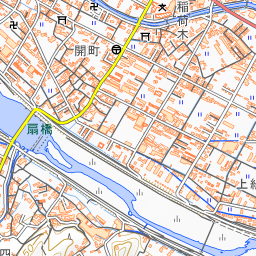
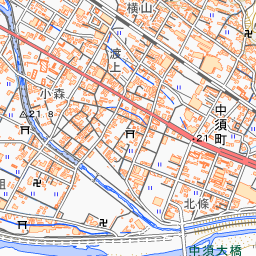
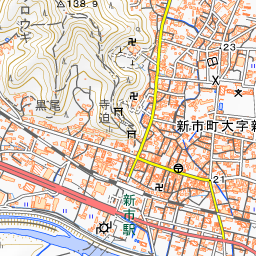
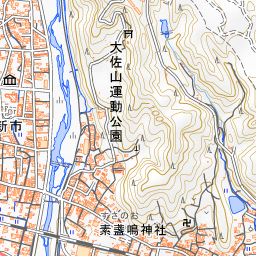
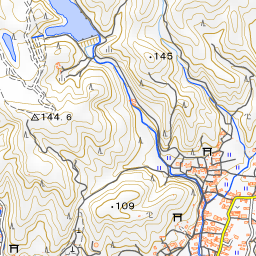
Spot location © OpenStreetMap contributors (ODbL)
Open in Google MapsUse asobot while you walk
- See where you are on the map and find spots nearby
- Listen to the guide's audio in course order, one after another (with subtitles)
- Walk to the next spot while following the map
Open on your phone
Scan to open this spot in asobot on your phone.