 ✨ AI Generated
Imashirozuka Kofun Burial Mound
Japanese: 今城塚古墳
Takatsuki, Osaka
This information was written by AI and may contain mistakes. Please check official sources for opening hours, fees, and other details before you go.
Found a mistake? Let us know with “✏️ Something's wrong” on this spot's screen in asobot →
🎧 Audio guide(1:04)
In short
A keyhole-shaped tumulus built in the first half of the 6th century. The mound alone measures 181 meters in total length, and including the surrounding double moats, it spans approximately 350 meters in total length and about 340 meters in total width, making it one of the largest keyhole-shaped tumuli in the Yodo River basin. It is said to be the tomb of Emperor Keitai, and because it has not been officially designated as an imperial mausoleum, archaeological excavations have been continuously carried out. It has been open to the public as a historic site park since April 2011.
- Haniwa Ritual Site: Replicas of more than 200 representational haniwa depicting houses, people, animals, and other forms are arranged in an orderly manner at the spots where the haniwa were found during excavations, recreating the scene of the great king's haniwa ritual
- A Great King's Tomb Where You Can Walk on the Mound: Unlike other imperial mausoleums, it is considered the only great king's tomb whose burial mound visitors can freely enter. Traces of a landslide-like collapse caused by the Great Fushimi Earthquake of 1596 (Keicho 1) also remain on the mound
- Tumulus Structure Revealed by Excavations: Visitors can explore the tumulus as revealed by excavations, such as designs to protect the earth mound from rainwater, stone masonry that supported the heavy stone burial chamber, and the tsukuridashi platform that served as a ceremonial site
History and Highlights
Imashirozuka Kofun Burial Mound is a keyhole-shaped tumulus built in the first half of the 6th century. The mound alone measures 181 meters in total length, and when including the surrounding double moats, it spans approximately 350 meters in total length and about 340 meters in total width, making it one of the largest keyhole-shaped tumuli in the Yodo River basin. It is said to be the tomb of Emperor Keitai, the great-grandfather of Prince Shotoku, and is considered to be the true tomb of the Great King Keitai.
The Imperial Household Agency designates the Oda Chausuyama Kofun in Ibaraki City as the imperial mausoleum of Emperor Keitai. Because Imashirozuka Kofun Burial Mound has not been officially designated as an imperial mausoleum, archaeological excavations have been continuously carried out. Through these investigations, more than 200 items, including Japan's largest house-shaped haniwa (terracotta clay figures) as well as human and animal haniwa, have been discovered. It was designated as a National Historic Site in 1958 (Showa 33) and has been open to the public as a historic site park since April 2011.
Viewing and Experience Points
- Haniwa Ritual Site: Replicas of more than 200 representational haniwa depicting houses, people, animals, and other forms are arranged in an orderly manner, recreating the atmosphere of the great king's haniwa ritual ceremonies. The haniwa are positioned in the exact locations where they were discovered during excavations. The cattle haniwa in the center is a rare type: only about 11 examples have been unearthed nationwide, and of the four that were fully restored, two were excavated from this tumulus.
- A Great King's Tomb Where You Can Walk on the Mound: Unlike other imperial mausoleums, it is considered the only great king's tomb whose burial mound visitors can freely enter. Traces of a landslide-like collapse caused by the Great Fushimi Earthquake of 1596 (Keicho 1) still remain on the mound.
- Tumulus Structure Revealed by Excavations: In the park, visitors can explore the structural features of the tumulus revealed by excavations, such as designs to protect the earth mound from rainwater, stone masonry that supported the heavy stone burial chamber, and the tsukuridashi platform used as a ceremonial site. There is also a "Haniwa Balcony" that features a model of the entire burial mound.
Walking Tips
The tumulus park and the adjacent Imashirozuka Ancient History Museum are collectively called "Imashiro Daio-no-Mori," and the two are connected by a walkway. Viewing the authentic haniwa and the explanations of how tumuli were built at the museum before walking on the mound will make the landscape before your eyes much easier to understand. Walking dogs on the burial mound and in the inner moat is prohibited, and bicycles must be dismounted and pushed. From JR Settsu-Tonda Station, take the municipal bus, get off at "Imashirozuka Kofun-mae," and it is a 2-minute walk. Walking from JR Settsu-Tonda Station takes approximately 25 minutes.
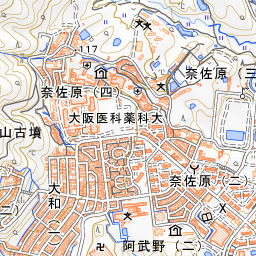
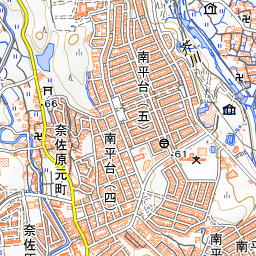
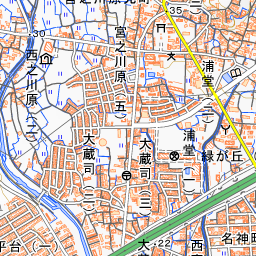
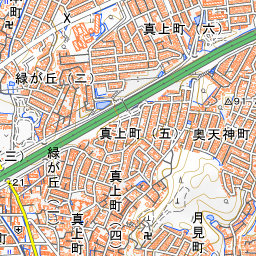
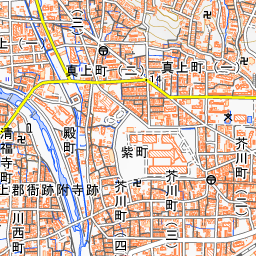
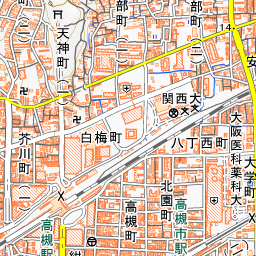
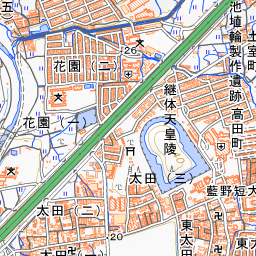
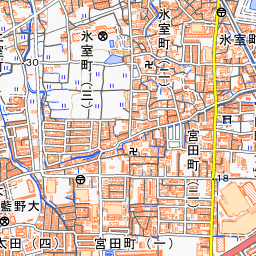
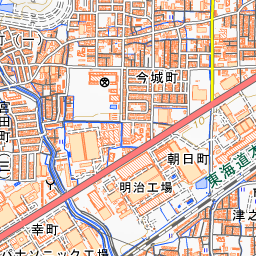
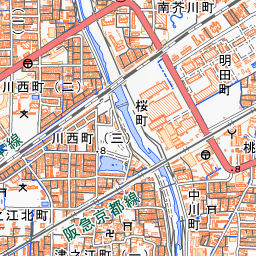
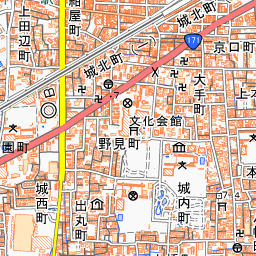
Spot location © OpenStreetMap contributors (ODbL)
Open in Google MapsGuides that include this spot (1)
Use asobot while you walk
- See where you are on the map and find spots nearby
- Listen to the guide's audio in course order, one after another (with subtitles)
- Walk to the next spot while following the map
Open on your phone
Scan to open this spot in asobot on your phone.