 ✨ AI Generated
Fuda Tenjin-sha Shrine
Japanese: 布多天神社
Chofu, Tokyo
This information was written by AI and may contain mistakes. Please check official sources for opening hours, fees, and other details before you go.
Found a mistake? Let us know with “✏️ Something's wrong” on this spot's screen in asobot →
🎧 Audio guide(0:55)
In short
Fuda Tenjin-sha Shrine is a shrine located along the Koshu Kaido road, north of Chofu Station. Listed in the "Engishiki" compiled in 927 (Encho 5), it is one of the leading ancient shrines in the Tama region. It enshrines Sukunahikona no Kami and Sugawara no Michizane.
- Main Hall (Honden) Rebuilt in the Edo Period: Rebuilt in 1706 (Hoei 3), it is a Tangible Cultural Property designated by Chofu City. Enclosed within a protective shelter building (oiden), it cannot be viewed directly.
- The Oldest Komainu (Guardian Lions) in Chofu City: The pair of komainu in front of the worship hall (haiden) was erected in 1796 (Kansei 8).
- Model for "GeGeGe Forest": The forest behind the main hall is said to be the model for "GeGeGe Forest" where Kitaro and his friends live. The forest is not open to the general public.
History and Highlights
Fuda Tenjin-sha Shrine stands along the Koshu Kaido road, north of Chofu Station. Its founding is so ancient that it is not known with certainty. Listed in the "Engishiki" compiled in 927 (Encho 5), it is one of the leading ancient shrines in the Tama region. According to shrine tradition, it is said to have been founded approximately 1,940 years ago during the reign of Emperor Suinin, the 11th emperor.
In 1477 (Bunmei 9), to escape flooding from the Tama River, it was moved from a place called Furutenjin to its current location. At this time, Sugawara no Michizane was enshrined alongside. The enshrined deity Sukunahikona no Kami has been revered as a deity of medicine and a deity of hot springs, among other things. Sugawara no Michizane is popularly known as a deity of learning and as Tenjin-sama.
When the Koshu Kaido road was established in the Edo period, five post stations were formed—Kami-Ishihara, Shimo-Ishihara, Kami-Fuda, Shimo-Fuda, and Kokuryo—and came to be called Fuda Goshuku. Fuda Tenjin-sha Shrine was the sochinju (general guardian shrine) of Fuda Goshuku and was revered as "Goshuku Tenjin." In 1889 (Meiji 22), when Fuda Goshuku merged with Tobitakyu and Kamigakyu to become Chofu Town, it became the general guardian shrine of Chofu Town.
Viewing and Experience Highlights
- Main Hall Rebuilt in the Edo Period: The main hall was rebuilt in 1706 (Hoei 3). It is built in the ikkensha nagare-zukuri style, and the capitals of the pillars in the front roof overhang (kohai) are decorated with elephant trunks (zohana) and lion heads. It is designated as a Tangible Cultural Property by Chofu City. Because it is surrounded by a protective shelter building, it cannot be seen directly.
- The Oldest Komainu in Chofu City: The pair of komainu in front of the worship hall was erected in 1796 (Kansei 8) to pray for the prosperity of the Tenjin market and thriving business. The name "Soshoninchu" (the collective merchants) is engraved as the donor, which shows that Tenjin markets were already being held by the time the komainu were erected.
- Model for "GeGeGe Forest": The quiet forest spreading behind the main hall is said to be the model for "GeGeGe Forest" where Kitaro and others live. It is said that in the past, Mizuki Shigeru also often took walks in this forest. The forest is not open to the general public.
Tips for Exploring
It is a 5-minute walk from the central ticket gate of Chofu Station on the Keio Line. The shrine stands just past the Tenjin-dori Shopping Street. On Tenjin-dori Street, there is Kitaro Chaya, located approximately 310 meters south in a straight line from the shrine.
At the kaguraden (sacred dance pavilion) on the shrine grounds, sato-kagura (village kagura dance) is dedicated during the monthly festival on the 25th of every month. It is a kagura dance performed to the accompaniment of flutes and drums, themed on mythology. During the annual grand festival in September and the monthly festivals, markets line the approach (sando), popularly known as the "Tenjin Market." During the annual grand festival in September, Takigi Yokagura (night kagura performed by bonfire) is dedicated at sunset.
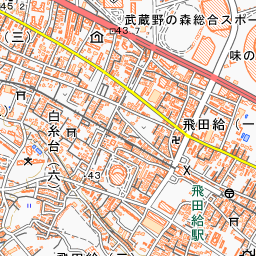

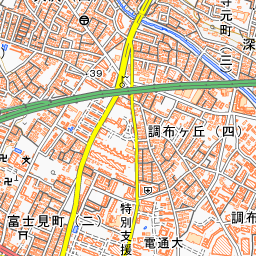
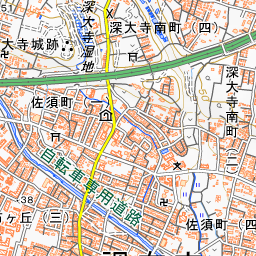
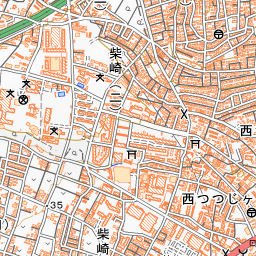
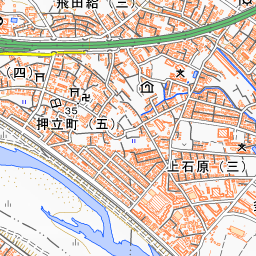

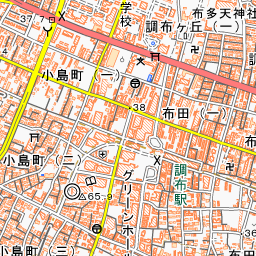
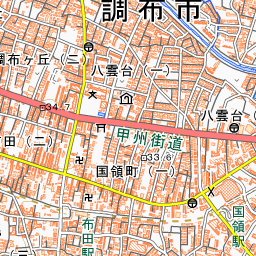
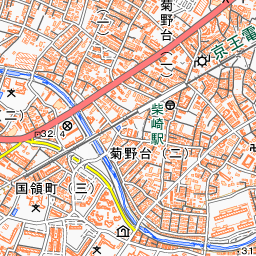
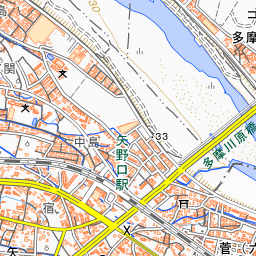
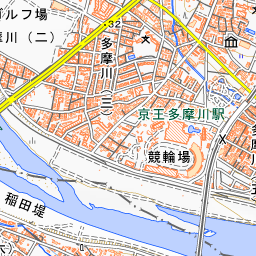
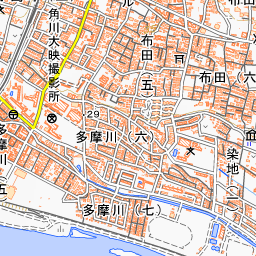
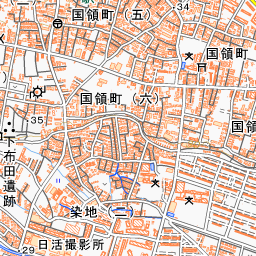
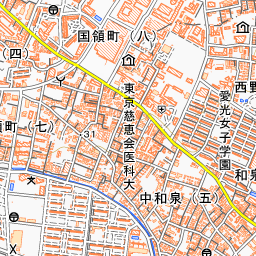
Spot location © OpenStreetMap contributors (ODbL)
Open in Google MapsUse asobot while you walk
- See where you are on the map and find spots nearby
- Listen to the guide's audio in course order, one after another (with subtitles)
- Walk to the next spot while following the map
Open on your phone
Scan to open this spot in asobot on your phone.