 ✨ AI Generated
Abe Monju-in Temple
Japanese: 安倍文殊院
Sakurai, Nara
This information was written by AI and may contain mistakes. Please check official sources for opening hours, fees, and other details before you go.
Found a mistake? Let us know with “✏️ Something's wrong” on this spot's screen in asobot →
🎧 Audio guide(1:02)
In short
Abe Monju-in Temple is a Kegon sect temple located in Sakurai City and is a special head temple (bekkaku honzan) of Todai-ji Temple. It traces its origins back to Abe-dera Temple, built in 645 (the first year of the Taika era) by Abe no Kurahashimaro as a family temple for his clan. Its principal image of worship is a National Treasure statue of Monju Bosatsu (Manjushri) sculpted by Kaikei, and it is known as the foremost spiritual site among the Three Great Monju of Japan.
- National Treasure Tokai Monju Statue Group: Depicts Monju Bosatsu riding a lion accompanied by four attendants, crossing a sea of clouds. The statue of Monju Bosatsu is approximately 7 meters tall and is said to be the largest in Japan.
- Special Historic Site Monju-in Nishi Kofun Burial Mound: A burial mound from the Asuka period, featuring a preserved stone burial chamber constructed symmetrically from granite. It is traditionally said to be the tomb of Abe no Kurahashimaro, who founded the temple.
- Kinkaku Ukimido Hall: A hall built to appear as if floating on a pond. It enshrines statues of Abe no Nakamaro and Abe no Seimei.
History and Highlights
Abe Monju-in Temple originated as Abesan Sukyo-ji, commonly known as Abe-dera Temple. By the imperial vow of Emperor Kotoku, Abe no Kurahashimaro, who became the Minister of the Left during the Taika Reform, built it as the family temple of the Abe clan. Its founding was in 645 (the first year of the Taika era). Abe-dera Temple once flourished approximately 300 meters southwest of the present site as a large temple with a Horyu-ji Temple-style layout (garan). It moved to its present location during the Kamakura period. In 1563 (Eiroku 6), most of the temple complex was burned down in a military conflict caused by Matsunaga Danjo. The current main hall, the Monju-do Hall, was rebuilt about 100 years later in 1665 (Kanbun 5). Abe Monju-in Temple belongs to the Kegon sect and is a special head temple of Todai-ji Temple.
The principal image of worship is Monju Bosatsu, known from the Japanese proverb "Three people together possess the wisdom of Monju" (Two heads are better than one). It is the "Tokai Monju Statue Group," a designated National Treasure centered on Monju Bosatsu riding a lion with four flanking attendants. It depicts the group crossing a sea of clouds on a preaching journey to bestow wisdom upon people. From an ink inscription found inside the sculpture, it is known that the statue of Monju Bosatsu was created in 1203 (Kennin 3) by the great Buddhist sculptor Kaikei. The statue is approximately 7 meters tall and is said to be the largest in Japan. The temple is also known as the foremost spiritual site among the Three Great Monju of Japan.
Monju-in Nishi Kofun, located within the grounds, is a tumulus built in the Asuka period and is a nationally designated Special Historic Site. There are only a few burial mounds designated as Special Historic Sites across the country, placing it alongside Ishibutai Kofun Burial Mound, Kitora Kofun Burial Mound, and Takamatsuzuka Kofun Burial Mound in Asuka Village. The stone chamber is constructed symmetrically using processed high-quality granite. The ceiling of the burial chamber consists of a single monolithic stone, hollowed out into an arch shape at the center.
Points for Appreciation and Experiences
- Tokai Monju Statue Group: Monju Bosatsu holds the sharp sword that subdues demons (Goma no Riken) in the right hand and a lotus flower in the left hand. Holding the reins of the lion is King Udayana (Uden-no). Leading the way is Sudhana (Zenzai Doji), standing facing forward.
- Kinkaku Ukimido Hall and Nana-mairi: Built as if floating on a pond, the Kinkaku Ukimido Hall enshrines statues of Kaiun Benzaiten, Abe no Nakamaro, and Abe no Seimei. During the "Nana-mairi" prayer, worshippers walk around the corridor of the hall seven times while placing votive slips (osamefuda) to pray for warding off evil and protection from directional misfortune.
- Gankake Fudo of the Nishi Kofun: Enshrined within the Nishi Kofun is "Gankake Fudo" (Wish-Granting Fudo), said to have been carved by Kobo Daishi. The burial mound is traditionally said to be the tomb of Abe no Kurahashimaro, who built the temple.
Tips for Exploring
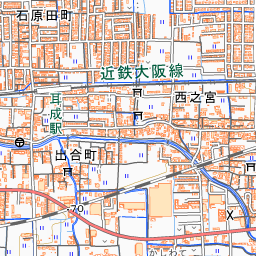
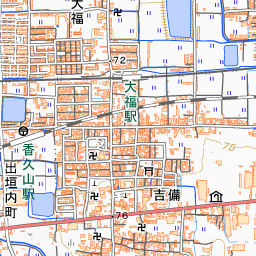
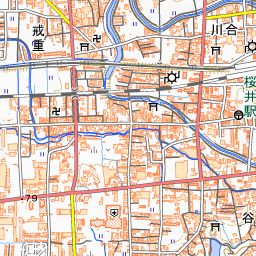
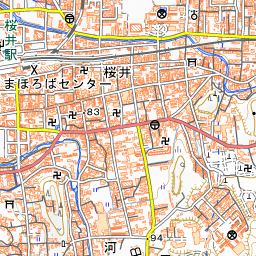
It is about a 20-minute walk from Kintetsu and JR Sakurai Station. On the grounds, there is also a high terrace where Abe no Seimei is said to have conducted astronomical observations. In the Flower Plaza, a large floral picture depicting the year's zodiac sign is made with pansies from mid-November to around late April. From mid-September to around late October, it becomes a cosmos maze. Approximately 1.6 kilometers to the southeast is Shorin-ji Temple, known for its National Treasure Eleven-headed Kannon. Approximately 2.5 kilometers to the south-southwest lies the Yamada-dera Temple Site.
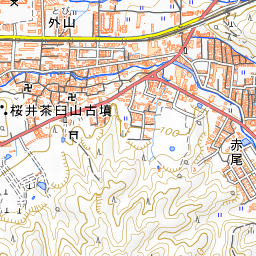
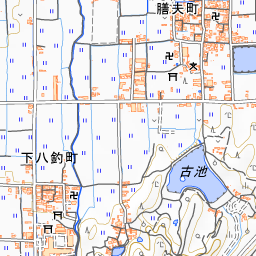
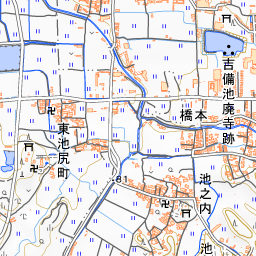
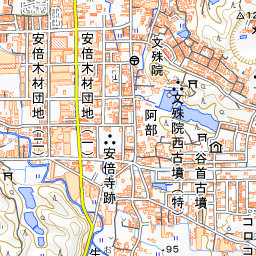
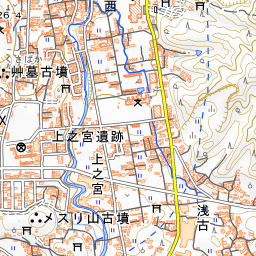
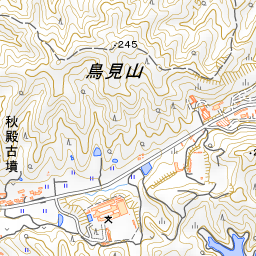
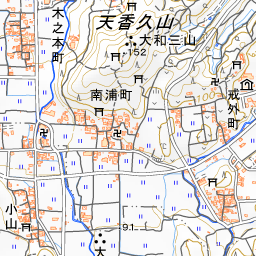
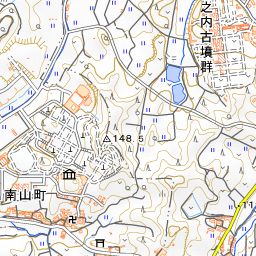
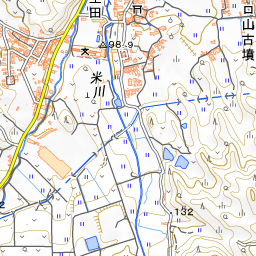

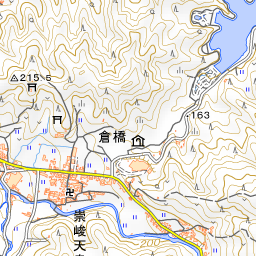
Spot location © OpenStreetMap contributors (ODbL)
Open in Google MapsGuides that include this spot (1)
Use asobot while you walk
- See where you are on the map and find spots nearby
- Listen to the guide's audio in course order, one after another (with subtitles)
- Walk to the next spot while following the map
Open on your phone
Scan to open this spot in asobot on your phone.