 ✨ AI Generated
Susanoo-jinja Shrine
Japanese: 素盞雄神社
Arakawa City, Tokyo
This information was written by AI and may contain mistakes. Please check official sources for opening hours, fees, and other details before you go.
Found a mistake? Let us know with “✏️ Something's wrong” on this spot's screen in asobot →
🎧 Audio guide(1:11)
In short
Susanoo-jinja Shrine is a shrine located along the Nikko Kaido road in Minami-Senju, Arakawa Ward. Said to have been founded in 795 (the 14th year of the Enryaku era), it is affectionately known as "O-Tenno-sama." It serves as the guardian shrine for 61 neighborhoods, which is the largest parish area in Arakawa Ward.
- Zuikoseki and Fujizuka: In 1864 (the first year of the Genji era), a Fujizuka (miniature Mount Fuji mound) was built on the mound containing the sacred stone where deities are said to have appeared.
- Yatatehajime Haiku Monument: A ward-designated cultural property inscribed with the haiku Matsuo Basho composed at the start of his journey in The Narrow Road to the Deep North (Oku no Hosomichi).
- Tenno-sai Festival: A festival held every June featuring mikoshi-furi, in which a portable shrine carried with only two carrying poles is violently tilted and swung from side to side.
History and Highlights
Susanoo-jinja Shrine enshrines two deities: Susanoo no Okami and Asuka no Okami. According to the shrine's tradition, Kokuchin, a high-ranking disciple of En no Ozunu, was worshipping an unusual rock atop a small mound. On the night of April 8, 795, the rock suddenly emitted light, and the two deities appeared in the form of elderly men. The shrine is said to have begun when Kokuchin built a small shrine to revere them.
Because another name for Susanoo no Okami is Gozu Tenno, the shrine is called "O-Tenno-sama." It is the guardian shrine for 61 neighborhoods spanning Minami-Senju, Mikawashima (present-day Arakawa), Machiya, and Minowa in Taito Ward, making it the largest parish in the ward. In the Edo period topographical work Edo Meisho Zue, it is introduced as "Asuka-no-Yashiro Kotsukahara Tennogu Shrine." At that time, the Nikko Kaido passed in front of the southern torii gate facing the front, and tea houses flourished before the gates.
In the June Tenno-sai Festival, summer epidemics along the highway are warded off through vigorous mikoshi-furi. The portable shrine of this shrine is in the niten style, carried with just two carrying poles. The portable shrine is swung and tilted side to side to the extent that the phoenix ornament on the roof nearly touches the ground.
Sights & Experiences
- Zuikoseki and Fujizuka: The sacred stone within the small mound where the deities are said to have appeared is known as the Zuikoseki. The ancient place name "Kozukappara" originated from this mound. In 1864, a Fujizuka was built on the mound, and Sengen-jinja Shrine was consecrated. The Fujizuka is a ward-designated cultural property, and 20 dedicatory stone monuments remain atop it. It can only be climbed during designated hours during the Oyama-biraki (mountain opening) ceremony on July 1 every year.
- Yatatehajime Haiku Monument: A ward-designated cultural property inscribed with Matsuo Basho's departure poem from The Narrow Road to the Deep North, "Yuku haru ya tori naki uo no me wa namida" (Spring is passing / birds weep and the eyes of fish / are tearful). It was erected in 1820 (the 3rd year of the Bunsei era) by literary figures gathering at the Senju-juku post town. Because it had deteriorated and become illegible, it was reproduced in 1995 (Heisei 7).
- Ginkgo Tree of Child Rearing: A tree where women without breast milk would boil its bark to drink and pray for the safe upbringing of young children. In autumn, the fallen leaves of this tree and other massive ginkgo trees, said to be five to six hundred years old, spread out like a yellow carpet.
Walking Tips
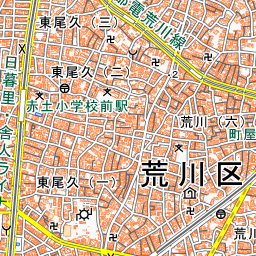
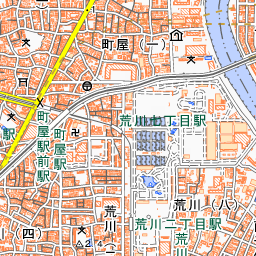
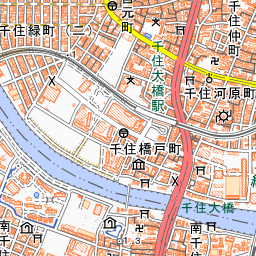
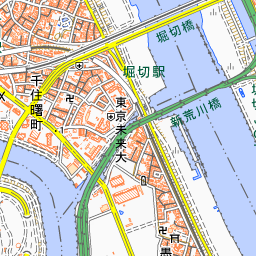
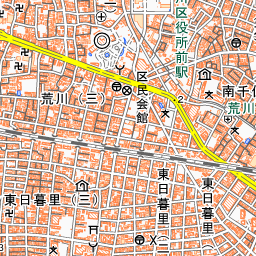
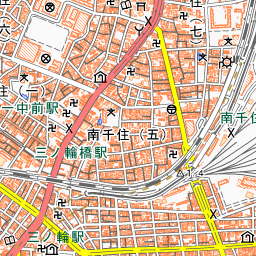
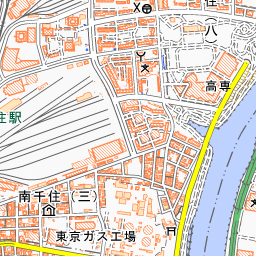
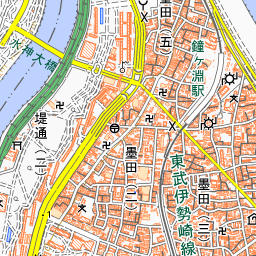
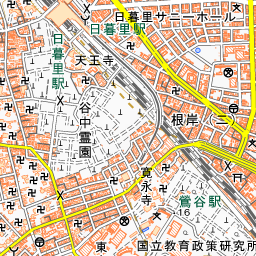
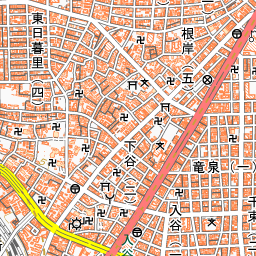
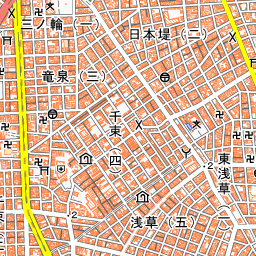
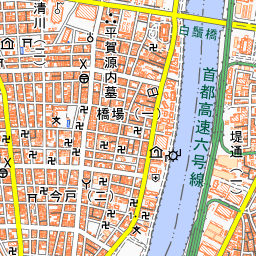
It is an 8-minute walk from both Minami-Senju Station and Senju-Ohashi Station on the Keisei Line. Near the shrine stands Senju Ohashi Bridge, the first bridge built across the Sumida River after Tokugawa Ieyasu entered Edo. Tradition says that when this bridge was being built, the base of the Zuikoseki stone extended into the river, preventing bridge pillars from being driven in. After viewing the Zuikoseki mound in the precincts, taking a walk to Senju Ohashi Bridge is recommended. About 550 meters to the south lies Kozukappara Eko-in Temple.



Spot location © OpenStreetMap contributors (ODbL)
Open in Google MapsUse asobot while you walk
- See where you are on the map and find spots nearby
- Listen to the guide's audio in course order, one after another (with subtitles)
- Walk to the next spot while following the map
Open on your phone
Scan to open this spot in asobot on your phone.