 ✨ AI Generated
Tokyo Metropolitan Daigo Fukuryu Maru Exhibition Hall
Japanese: 都立第五福竜丸展示館
Koto City, Tokyo
This information was written by AI and may contain mistakes. Please check official sources for opening hours, fees, and other details before you go.
Found a mistake? Let us know with “✏️ Something's wrong” on this spot's screen in asobot →
🎧 Audio guide(1:06)
In short
The Tokyo Metropolitan Daigo Fukuryu Maru Exhibition Hall is an exhibition facility located in Yumenoshima Park in Koto City. It displays the actual hull of the Daigo Fukuryu Maru, a wooden tuna fishing boat exposed to radiation during a U.S. hydrogen bomb test at Bikini Atoll on March 1, 1954. The Tokyo Metropolitan Government opened the hall in June 1976.
- Hull of the Daigo Fukuryu Maru: The wooden vessel, measuring about 30 meters in length, is placed in the center of the hall, which is designed like a dry dock.
- Materials Surrounding the Vessel: Exhibits include actual samples of "ashes of death" (radioactive fallout), daily items used by the crew, and letters sent to crew members while they were hospitalized.
- Plaza in Front of the Exhibition Hall: Features a monument to Chief Radio Operator Kuboyama Aikichi and the vessel's engine, which was salvaged from the sea.
History and Highlights
The Tokyo Metropolitan Daigo Fukuryu Maru Exhibition Hall is a facility that exhibits the wooden tuna fishing boat Daigo Fukuryu Maru, along with its fittings and related historical materials. It was opened by the Tokyo Metropolitan Government on June 10, 1976.
The Daigo Fukuryu Maru was built in 1947 in Koza Town (now Kushimoto Town), Wakayama Prefecture, as the bonito fishing boat "Dainana Kotoshiro Maru." In 1954, it operated out of Yaizu Port in Shizuoka Prefecture as a deep-sea tuna longline fishing boat.
On March 1, 1954, the United States conducted a hydrogen bomb test at Bikini Atoll in the Marshall Islands of the Pacific Ocean. The Daigo Fukuryu Maru was fishing on the open sea, 160 kilometers east of the hypocenter. Suddenly, a flash of light appeared in the west, followed by an earth-shaking roar that shook the vessel. Soon after, the "ashes of death" produced by the test rained down, and all 23 crew members were exposed to radiation. The Daigo Fukuryu Maru was not the only vessel affected; by the end of 1954, 856 boats had landed tuna contaminated with radiation.
Following the radiation exposure, the vessel became the training ship "Hayabusa Maru" for the Tokyo University of Fisheries before being decommissioned in 1967. The hull was left abandoned on reclaimed land in Yumenoshima, which was then a garbage disposal site. When citizens learned of this, a preservation movement emerged and spread nationwide. The Tokyo Metropolitan Government built this exhibition hall with the wish that a catastrophe caused by atomic and hydrogen bombs would never occur again.
Viewing Highlights
- The Hull on Land: The Daigo Fukuryu Maru is fixed on land and positioned in the center of the exhibition hall, which is designed like a dry dock. It is a wooden vessel about 30 meters in length with a gross tonnage of 140 tons. To protect the hull, visitors cannot board the deck.
- Materials Surrounding the Vessel: Surrounding the hull are displays of actual "ashes of death," daily items used by the crew, letters addressed to hospitalized crew members, and petitions gathered against atomic and hydrogen bombs. On the second floor, visitors can see a model recreating the vessel at the time of the radiation exposure and a rib model showing its internal structure.
- Plaza in Front of the Exhibition Hall: Here stands a monument to Chief Radio Operator Kuboyama Aikichi, who passed away six months after the exposure, inscribed with his words: "May I be the last victim of atomic and hydrogen bombs." The plaza also features the engine of the Daigo Fukuryu Maru. After the vessel was decommissioned, the engine was transferred to another boat and sank in the Kumano Sea in 1968. After lying under the sea for 28 years, it was salvaged in 1996 following calls from citizens.
Visiting Tips
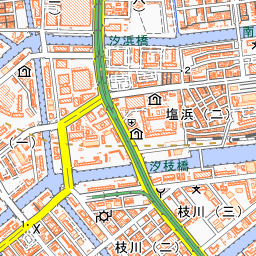
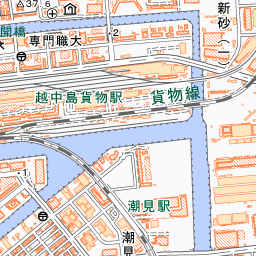
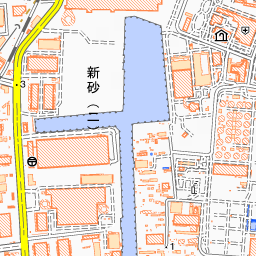
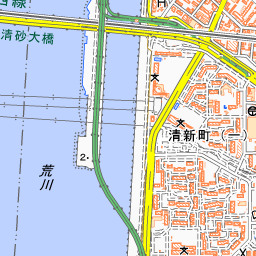
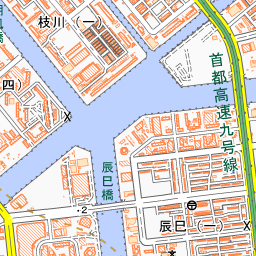
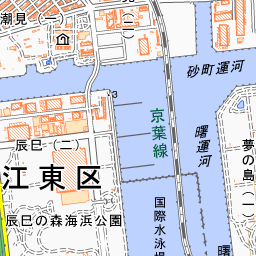
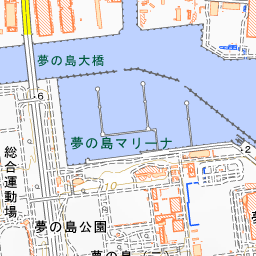
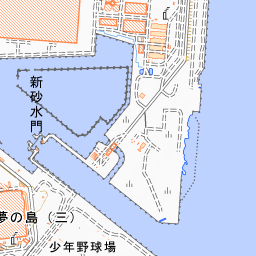
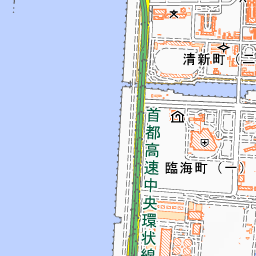
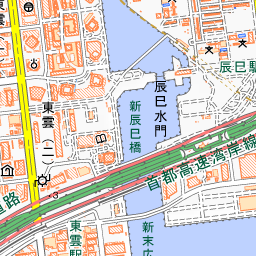
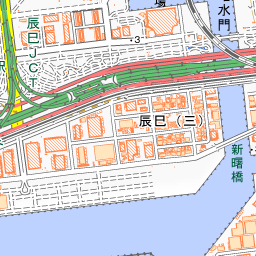
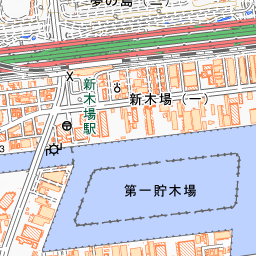
The hall is a 10-minute walk from Shin-Kiba Station. After leaving the ticket gates, pass under the railway tracks, pass under the elevated Shuto Expressway, and enter Yumenoshima Park via the stairs of Yukari Bridge. Visitors can also combine their visit with the Yumenoshima Tropical Greenhouse Dome, located about 280 meters to the east.

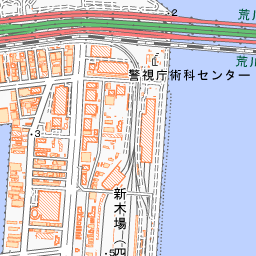
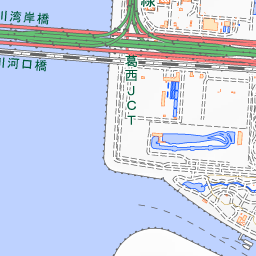
Spot location © OpenStreetMap contributors (ODbL)
Open in Google MapsUse asobot while you walk
- See where you are on the map and find spots nearby
- Listen to the guide's audio in course order, one after another (with subtitles)
- Walk to the next spot while following the map
Open on your phone
Scan to open this spot in asobot on your phone.