 ✨ AI Generated
Itabashi City Local History Museum
Japanese: 板橋区立郷土資料館
Itabashi City, Tokyo
This information was written by AI and may contain mistakes. Please check official sources for opening hours, fees, and other details before you go.
Found a mistake? Let us know with “✏️ Something's wrong” on this spot's screen in asobot →
🎧 Audio guide(1:09)
In short
Located near the Akatsuka Castle ruins and Akatsuka Tameike Park, the Itabashi City Local History Museum conveys the history and culture of Itabashi City. It opened in 1972. In its courtyard stands the Former Tanaka Residence, a relocated thatched-roof traditional house considered to be a late Edo-period farmhouse.
- Former Tanaka Residence: A traditional house with a four-room layout in the shape of the kanji character "田" (ta), where visitors can experience an old-fashioned domestic space complete with a traditional cookstove (kamado) and a sunken hearth (irori).
- Itabashi-shuku on the Nakasendo: Itabashi-shuku was the first post town encountered when traveling along the Nakasendo trail after departing from Nihonbashi.
- Entrance of Shinfujiro: The entrance of "Shinfujiro," a thriving kashizashiki (brothel) in Itabashi-shuku, has also been relocated to the grounds. Seasonal festival decorations can also be enjoyed in the traditional house.
History and Highlights
The Itabashi City Local History Museum is a museum built near the Akatsuka Castle ruins and Akatsuka Tameike Park. It began in 1969 as a "Local History Room" inside the Industrial and Cultural Hall, and opened as a local history museum at this site in 1972. The current building was opened to the public in 1990 following a complete reconstruction.
The permanent exhibition room on the first floor introduces the history of Itabashi through various artifacts. It is divided into areas such as "Remains of Itabashi," "Medieval Itabashi," and "Early Modern Itabashi," allowing visitors to follow the timeline in chronological order.
In the medieval period, the area of Itabashi contained three districts and estates: Itabashi-go, Akatsuka-go, and Shimura-no-sho. In the mid-15th century, Akatsuka-go became the territory of the Musashi Chiba clan, who had fled there relying on the Ogigayatsu Uesugi clan. Chiba Sanetane entered Akatsuka-go, followed later by Yoritane.
During the Edo period, Itabashi-shuku was the first post town encountered after departing from Edo's Nihonbashi and traveling along the Nakasendo. It bustled with constant traffic, serving as a hub for seeing off and welcoming travelers, as well as for the sankin-kotai (alternate attendance) processions.
Highlights for Viewing and Experiencing
- Former Tanaka Residence: A thatched-roof traditional house standing in the courtyard. It is considered a typical late Edo-period farmhouse featuring a four-room layout known as the "田"-shape. Originally located in Tokumaru Village, it was relocated to the museum in 1971. Visitors can experience a traditional domestic space with elements such as a cookstove and a sunken hearth.
- Seasonal Festival Decorations: At the traditional house, visitors can enjoy decorations for various seasonal events throughout the year, such as the Peach Festival (Momo no Sekku), the Boys' Festival (Tango no Sekku), the Tanabata Festival, moon viewing, and mayudama (cocoon-shaped rice cake) decorations.
- Entrance of Shinfujiro and Takashima Shuhan: The entrance of "Shinfujiro," a kashizashiki (brothel) that flourished in Itabashi-shuku, has also been relocated to the grounds. In addition, the museum houses materials related to Takashima Shuhan, an artillery expert of the late Edo period. In 1841, Shuhan demonstrated the achievements of Western artillery techniques at Tokumarugahara, which was a shogunate training ground. In 1965, Tokumarugahara was named Takashimadaira, taking its name from Shuhan.
Tips for Walking
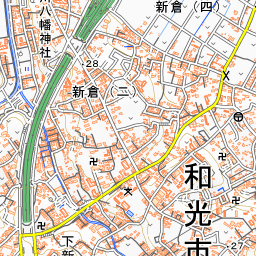
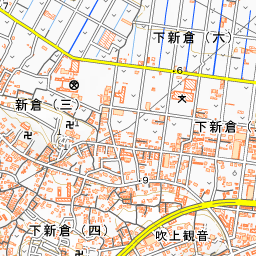
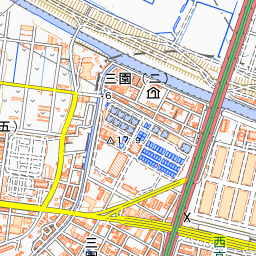
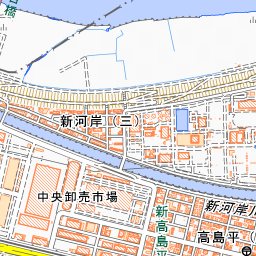
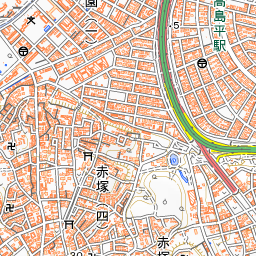
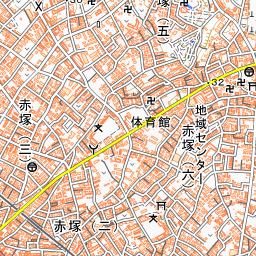
It is about a 13-minute walk from Nishi-Takashimadaira Station on the Toei Mita Line. After viewing the exhibition rooms, head out to the courtyard and look into the cookstove and sunken hearth of the Former Tanaka Residence. About 180 meters southeast of the museum is the Itabashi Art Museum, and about 410 meters to the south is Joren-ji Temple. The Akatsuka Castle ruins and Akatsuka Tameike Park are also right nearby, making it easy to trace the history of Akatsuka by exploring them together.

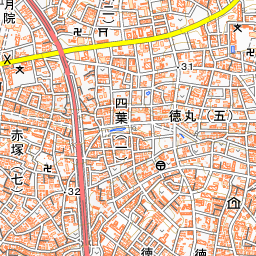
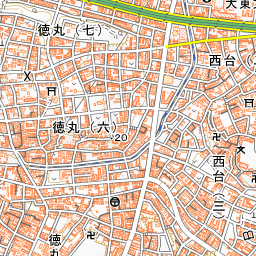
Spot location © OpenStreetMap contributors (ODbL)
Open in Google MapsGuides that include this spot (1)
Use asobot while you walk
- See where you are on the map and find spots nearby
- Listen to the guide's audio in course order, one after another (with subtitles)
- Walk to the next spot while following the map
Open on your phone
Scan to open this spot in asobot on your phone.