 ✨ AI Generated
Daisho Kannon-ji Temple
Japanese: 大聖観音寺
Sumiyoshi Ward, Osaka
This information was written by AI and may contain mistakes. Please check official sources for opening hours, fees, and other details before you go.
Found a mistake? Let us know with “✏️ Something's wrong” on this spot's screen in asobot →
🎧 Audio guide(1:17)
In short
A temple widely known by the familiar name "Abiko Kannon," whose official mountain name (sango) is Abikosan. According to the temple's history, its origins trace back to enshrining a small statue of Kannon presented by King Seongmyeong of Baekje at this site. Founded in the 7th year of Emperor Kinmei's reign (546), it is regarded as the oldest temple dedicated to Kanzeon Bosatsu in Japan. It is known as the oldest center of Kannon devotion in Japan and as a temple for warding off evil spirits (yakuyoke).
- Setsubun Yakuyoke Daihoe: A Setsubun festival held every year from February 1 to 7. Typically, from February 2 to 4, goma fire rituals are performed in the Goma-do Hall, and many visitors come to pray for the warding off of evil and good fortune
- Abura no Fudo Myo-o (Fudo Myo-o of Oil): It is said that the Fudo Myo-o in the Goma-do Hall was donated to pray for the safe childbirth of the Empress of Emperor Daigo. Because it broke out in greasy sweat at every birth to bear the suffering in her place, it came to be known by this name
- Great Camphor Tree and Hakuryu Pond: The largest camphor tree on the temple grounds is said to be about 800 years old and has been designated as a protected tree by Osaka City. There is also Hakuryu Pond, where large nishikigoi carp swim, and the Konshin-den Hall, which enshrines Hakuryu Benzaiten
History and Highlights
Daisho Kannon-ji Temple is widely known by the familiar name "Abiko Kannon." Its official mountain name (sango) is Abikosan. In Showa 21 (1946), the Kannon Sect was founded at this temple. It is known as the oldest center of Kannon devotion in Japan and as a temple for warding off evil spirits (yakuyoke).
According to the temple's history, its origins trace back to enshrining a small statue of Kannon presented by King Seongmyeong of Baekje at this site. Founded in the 7th year of Emperor Kinmei's reign (546), it is regarded as the oldest Buddhist temple dedicated to Kanzeon Bosatsu in Japan. The principal image, Sho Kanzeon Bosatsu, is a Buddhist statue with a height of one sun eight bu, approximately 5.5 cm. It is also said that in the 14th year of Empress Suiko's reign (606), Prince Shotoku visited this site and ordered the construction of temple buildings (garan) to make it a training center for Kannon worship.
Temple tradition also holds that when Emperor Shomu fell ill at the Naniwa Palace, the statue of Kannon was enshrined within the imperial palace, and he recovered through its miraculous virtue. It is also passed down that during the Summer Campaign of the Siege of Osaka, Tokugawa Ieyasu fled to this temple while being pursued, successfully escaping danger. Although most of the halls and pagodas were lost in a fire in Meiji 14 (1881), they were later rebuilt, and the current Main Hall was completed in Meiji 30 (1897).
Points for Viewing and Experiencing
- Setsubun Yakuyoke Daihoe: A Setsubun festival held every year from February 1 to 7. Typically, from February 2 to 4, Shugendo ascetics perform goma fire rituals in the Goma-do Hall by burning consecrated wooden sticks (gomagi) and offering prayers to Fudo Myo-o, the principal deity of the Goma-do Hall. Many visitors come to pray for the warding off of evil and good fortune.
- Abura no Fudo Myo-o (Fudo Myo-o of Oil): It is said that the Fudo Myo-o in the Goma-do Hall was donated in En'gi 21 (921) to pray for the safe childbirth of the Empress of Emperor Daigo. Because it broke out in greasy sweat at every birth to bear the suffering in her place, it came to be known as "Abura no Fudo Myo-o."
- Great Camphor Tree and Hakuryu Pond: The largest camphor tree on the temple grounds is said to be about 800 years old and has been designated as a protected tree by Osaka City. There is also Hakuryu Pond, where large nishikigoi carps swim, and the Konshin-den Hall, which enshrines Hakuryu Benzaiten, believed to bring blessings for prosperous business.
Walking Tips
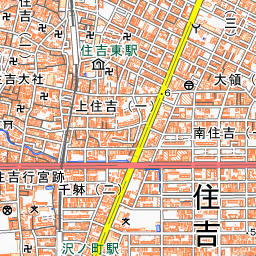
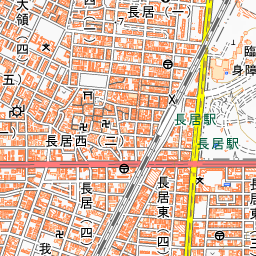
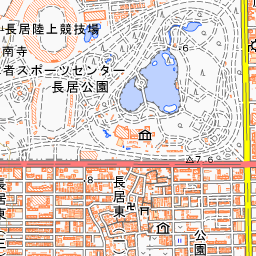
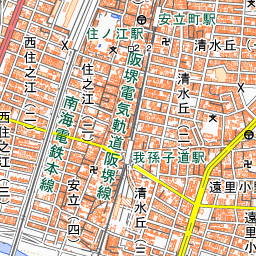
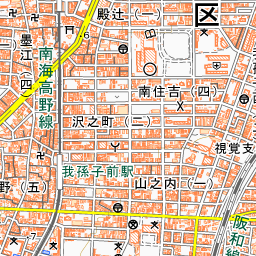
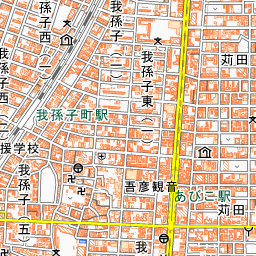
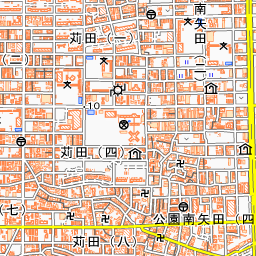
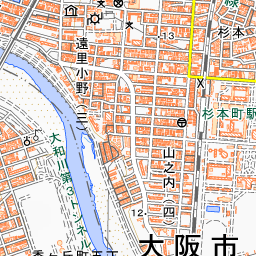
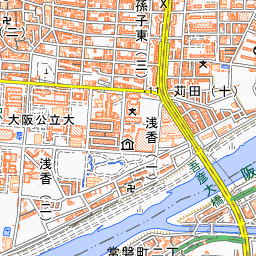
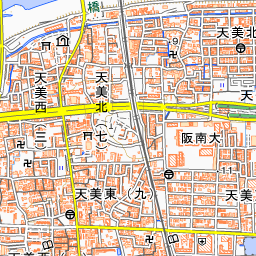
It is about a 3-minute walk west from Abiko Station on the Osaka Metro Midosuji Line. From Abikocho Station on the JR Hanwa Line, it takes about 8 minutes on foot. The west main gate was built in Meiji 35, and its zelkova wood was transported by ox-cart from Aso in Kyushu. Nagai Park is located about 1.6 km to the northeast.



Use asobot while you walk
- See where you are on the map and find spots nearby
- Listen to the guide's audio in course order, one after another (with subtitles)
- Walk to the next spot while following the map
Open on your phone
Scan to open this spot in asobot on your phone.