 ✨ AI Generated
Uzumasa Kyoto Village
Japanese: 太秦映画村
Ukyo Ward, Kyoto
This information was written by AI and may contain mistakes. Please check official sources for opening hours, fees, and other details before you go.
Found a mistake? Let us know with “✏️ Something's wrong” on this spot's screen in asobot →
🎧 Audio guide(1:03)
In short
A theme park born in 1975 (Showa 50) by opening the outdoor sets of the Toei Kyoto Studio, which has continued to produce jidaigeki (period dramas), to the public. It opened as Japan's first theme park where visitors could watch period drama filming right before their eyes, and was long affectionately known as "Toei Uzumasa Eigamura."
- Kyoto Town of the Edo Period: The townscape crafted by the staff of the Toei Kyoto Studio has sights such as samurai residences and an arched bridge (taikobashi)
- Shows and Cultural Experiences: Shows and events, such as stories of the capture of criminals, are held throughout the village. Visitors can also don a kimono and experience Japanese culture such as the tea ceremony and Noh theater
- Step-by-Step Renewal: The village is undergoing a phased, comprehensive renewal over approximately five years from 2024 to 2028, and on March 28, 2026, it marked its Phase 1 reopening after renewal
History and Highlights
Uzumasa Kyoto Village is a theme park established in 1975 (Showa 50) by opening the outdoor sets of the Toei Kyoto Studio, which has continued to produce jidaigeki (period dramas), to the public. It opened as Japan's first theme park where visitors could watch period drama filming right before their eyes, and was long affectionately known as "Toei Uzumasa Eigamura." Today, it goes by the name "Uzumasa Kyoto Village," and on March 28, 2026, it marked its Phase 1 grand reopening after a major renewal.
Kyoto is said to be the birthplace of Japanese cinema because Inabata Katsutaro, who had studied in Paris, brought back the Cinematograph and held Japan's first film screening in Kiyamachi. In 1926 (Taisho 15), the young star Bando Tsumasaburo cleared the bamboo groves of Uzumasa to open a film studio, leading many actors and crew members to relocate here. At its peak, eight film studios were established, and Uzumasa came to be called "Japan's Hollywood." Uzumasa Kyoto Village was born under the slogan "Keep the flame of Japanese cinema alive" amid a decline in film production caused by the spread of television.
Highlights and Experiences
- Kyoto Town of the Edo Period: Inside the park is an Edo-period Kyoto townscape crafted by the staff of the Toei Kyoto Studio. With sights such as samurai residences and an arched bridge (taikobashi), visitors can stroll around as if they have wandered into the world of a period drama.
- Shows and Cultural Experiences: Shows and events depicting stories such as Edo-period captures are held throughout the park. Visitors can also don a kimono and experience Japanese culture such as the tea ceremony and Noh theater.
- Step-by-Step Renewal: The village is undergoing a phased, comprehensive overhaul over approximately five years from 2024 to 2028. Depending on when you visit, you can encounter newly opened areas.
Travel Tips
To the front entrance, it is a 5-minute walk from Randen Uzumasa-Koryuji Station, 13 minutes from JR Hanazono Station, and 14 minutes from Uzumasa Tenjingawa Subway Station. There is also a Studio Gate (Satsueisho-guchi), which is 5 minutes from JR Uzumasa Station and 2 minutes from Randen Satsueisho-mae Station. About 250 meters to the southwest is Koryu-ji Temple, about 1.3 kilometers to the northeast is Myoshin-ji Temple, and about 1.6 kilometers to the north is Ninna-ji Temple, allowing you to combine your visit with historic temples in Uzumasa.


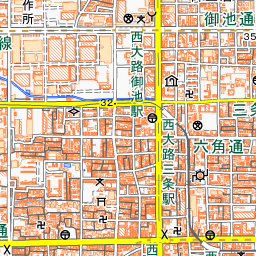
Spot location © OpenStreetMap contributors (ODbL)
Open in Google MapsGuides that include this spot (1)
Use asobot while you walk
- See where you are on the map and find spots nearby
- Listen to the guide's audio in course order, one after another (with subtitles)
- Walk to the next spot while following the map
Open on your phone
Scan to open this spot in asobot on your phone.