 ✨ AI Generated
Daisen Park
Japanese: 大仙公園
Sakai Ward, Sakai, Osaka
This information was written by AI and may contain mistakes. Please check official sources for opening hours, fees, and other details before you go.
Found a mistake? Let us know with “✏️ Something's wrong” on this spot's screen in asobot →
🎧 Audio guide(1:17)
In short
A symbolic park of Sakai City, spread around Japan's largest tomb, the Nintoku-tenno-ryo Kofun Burial Mound, and the Richu-tenno-ryo Kofun Burial Mound, which form part of the World Heritage-inscribed Mozu Kofun Group. The park was incorporated into post-war urban reconstruction plans in 1947, and development began in 1963. It has also been selected as one of Japan's Top 100 Historical Parks, and mounds such as the Osamezuka Kofun and Shichikannon Kofun are scattered throughout the grounds.
- Peace Tower (Heiwa-to): Built in 1971 in the central part of the park. It is a tower about 60 meters tall in the shape of a triangular prism, dedicated to consoling the souls of the many people of Sakai who lost their lives in World War II and praying for peace
- Shin-an Teahouse and Obai-an Teahouse: Teahouses designated as Registered Tangible Cultural Properties of Japan, standing next to the Sakai City Museum. Both were donated and relocated to the park in 1980, and visitors can casually enjoy matcha green tea at the table-and-chair seating (ryureiseki) in Shin-an Teahouse
- Approximately 1,000 Cherry Blossoms: A spring survey confirmed roughly 1,000 cherry blossom trees inside the park. The early-blooming trees along the weeping cherry tree avenue open about 10 days earlier than Yoshino cherry trees
History and Highlights
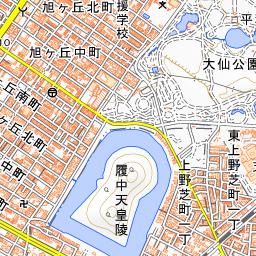
Daisen Park is a symbolic park of Sakai City, spread between Japan's largest tomb, the Nintoku-tenno-ryo Kofun Burial Mound, and the Richu-tenno-ryo Kofun Burial Mound, which form part of the World Heritage-inscribed Mozu Kofun Group. It has also been selected as one of Japan's Top 100 Historical Parks.
The park was incorporated into post-war urban reconstruction plans in 1947. Development began in 1963, and along with commemorative tree planting, facilities such as the central library, museum, teahouses, urban greening center, grand lawn plaza, and a Japanese garden were created, making it a dignified general park. Of the planned 81.1 hectares, 38.75 hectares have been developed. Mounds such as the Osamezuka Kofun and Shichikannon Kofun are scattered throughout the grounds.
Viewing and Experience Highlights
- Peace Tower (Heiwa-to): Built in 1971 in the central part of the park. It is a tower dedicated to consoling the souls of the many citizens of Sakai who lost their lives in World War II and praying for peace. Standing approximately 60 meters tall in the shape of a triangular prism, its three-sided form comes from Sakai's history as a city that prospered at the borders of three historical provinces: Settsu, Kawachi, and Izumi.
- Shin-an Teahouse and Obai-an Teahouse: Next to the Sakai City Museum stand two teahouses designated as Registered Tangible Cultural Properties of Japan. Shin-an Teahouse was built in 1929 by Oogi Rodo, who was known as a master builder of sukiya-style tea ceremony architecture, and was originally located in Shiba Park, Tokyo. Obai-an Teahouse dates back to the Edo period and was originally located at the Toyota family residence in Imai-cho, Kashihara City, Nara Prefecture; it was later acquired by Matsunaga Yasuzaemon (Jian), who cherished it in Odawara. Both were donated and relocated to the park in 1980, and visitors can casually enjoy matcha green tea at the table-and-chair seating (ryureiseki) in Shin-an Teahouse.
- Approximately 1,000 Cherry Blossoms: A spring survey confirmed roughly 1,000 cherry blossom trees inside the park. Planting along the weeping cherry tree avenue, which retains traces of an old highway, began in 1995; the early-blooming varieties open about 10 days earlier than Yoshino cherry trees.
Walking Tips
The park is 300 meters, or a 5-minute walk, from Mozu Station on the JR Hanwa Line. Inside the park, the Mozu Kofun Group Visitor Center features an 8K aerial theater where visitors can experience the grandeur of the Mozu-Furuichi Kofun Group. You can explore more about the mounds at the Sakai City Museum and enjoy garden strolls at the Daisen Park Japanese Garden. After walking along the main path of about 1,500 meters per circuit, consider extending your walk to the perimeter path of the adjacent Daisen Kofun Burial Mound to the northeast.
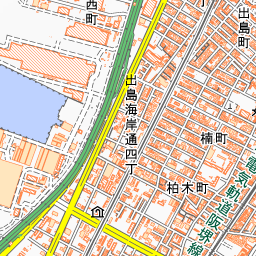
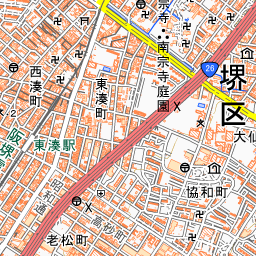
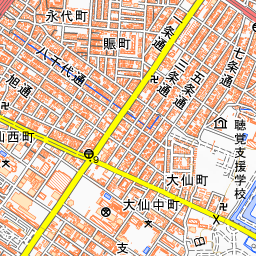
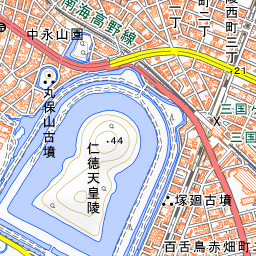
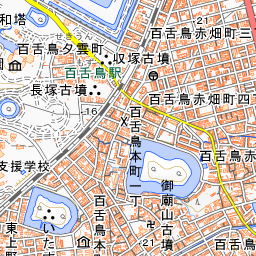
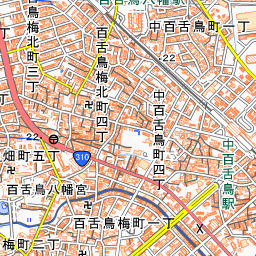
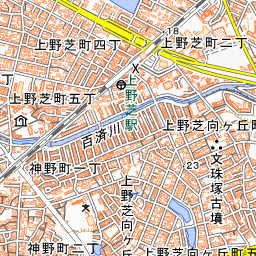
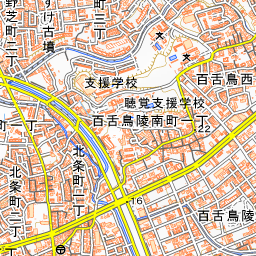
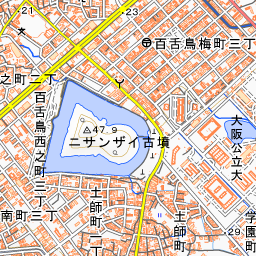
Spot location © OpenStreetMap contributors (ODbL)
Open in Google MapsGuides that include this spot (1)
Use asobot while you walk
- See where you are on the map and find spots nearby
- Listen to the guide's audio in course order, one after another (with subtitles)
- Walk to the next spot while following the map
Open on your phone
Scan to open this spot in asobot on your phone.