
Musashino City Kichijoji Art Museum
Japanese: 武蔵野市立吉祥寺美術館
Musashino, Tokyo
This information was written by AI and may contain mistakes. Please check official sources for opening hours, fees, and other details before you go.
Found a mistake? Let us know with “✏️ Something's wrong” on this spot's screen in asobot →
🎧 Audio guide(1:09)
In short
Musashino City Kichijoji Art Museum is an art museum located on the 7th floor of Coppice Kichijoji Building A, about a 3-minute walk from the North Exit of Kichijoji Station. It opened in 2002. In the memorial rooms dedicated to the two artists Hamaguchi Yozo and Hagiwara Hideo, prints and related materials are permanently on display.
- Hamaguchi Yozo Memorial Room: Displays the works of Hamaguchi Yozo, who pioneered the unique copperplate print technique of color mezzotint, alongside original printing plates and tools.
- Hagiwara Hideo Memorial Room: Introduces series such as "Greek Mythology" and "Thirty-Six Views of Mount Fuji," as well as abstract works by the world-renowned woodblock printmaker Hagiwara Hideo.
- Collection of Approximately 2,600 Works: Houses Japanese-style paintings (Nihonga) by artists such as Noda Kyuho, as well as oil paintings, prints, and photographs, which are presented in the project exhibition room.
History and Highlights
Musashino City Kichijoji Art Museum opened in February 2002. It was created in the bustling center of Kichijoji as a place to connect and enjoy everyday life with culture and art. It is located on the 7th floor of Coppice Kichijoji Building A. Although the facility is small in scale, it operates under the motto "View, Create, Nurture." Inside the museum are memorial rooms for the two artists Hamaguchi Yozo and Hagiwara Hideo, where prints and related materials are on permanent display.
From the Taisho period through the Showa period, many painters and literary figures gathered in Musashino City. In 1972 (Showa 47), works and belongings of the Nihonga painter Noda Kyuho were donated. Noda Kyuho was a painter who lived in Kichijoji and won the highest award at the 1st Bunten exhibition in 1907. After that, donations of works continued to be made by artists associated with Musashino City, their bereaved families, and related individuals. With the addition of donations from both Hamaguchi Yozo and Hagiwara Hideo, the museum's collection now reaches approximately 2,600 items, including Nihonga, oil paintings, prints, and photographs.
Among the collection, there is also the 1931 work "Inokashira Pond" ("Inokashira no Ike") by printmaker Oda Kazuma.
Viewing and Experience Highlights
- Hamaguchi Yozo Memorial Room: Hamaguchi Yozo (1909–2000) pioneered the unique copperplate print technique known as color mezzotint. Major works donated by the artist himself are on view, exhibiting copperplate prints ranging from his early monochrome pieces to his color mezzotints, together with original plates and tools.
- Hagiwara Hideo Memorial Room: Hagiwara Hideo (1913–2007) was a world-renowned woodblock printmaker who mastered complex expressions. The room was established to commemorate the donation of his representative woodblock prints. It introduces series such as "Greek Mythology" and "Thirty-Six Views of Mount Fuji," as well as abstract works.
- Project Exhibition Room and Music Room: In the project exhibition room, in addition to introducing pieces from the collection, special exhibitions across diverse genres are held. Depending on the period, it also serves as the "Citizens' Gallery," a venue for citizens to present their creative works. There is also a rental music room inside the museum, with a capacity of 90 people.
Tips for Exploring
The museum is about a 3-minute walk from the North Exit of Kichijoji Station. Elevators are shared with Coppice Kichijoji Building A. Please store large luggage in coin lockers. Photography and video recording inside the exhibition rooms are generally not permitted, though rules may vary depending on the exhibition. The museum shop sells exhibition catalogs and goods. Walking about 120 meters south after exiting the museum will bring you to Harmonica Yokocho.
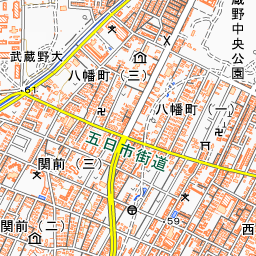
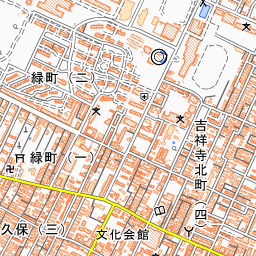
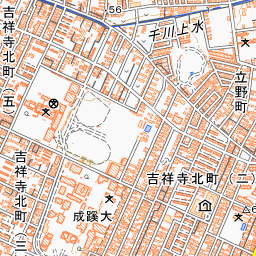
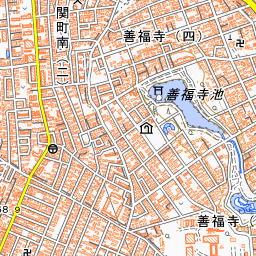
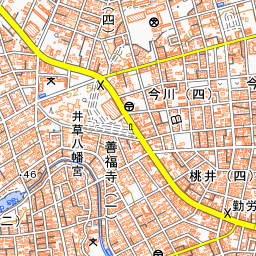
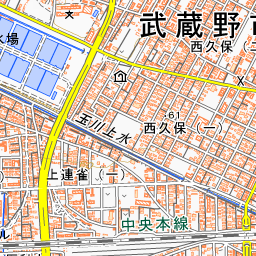
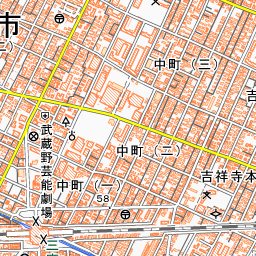
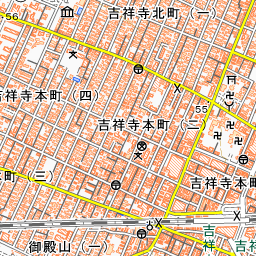
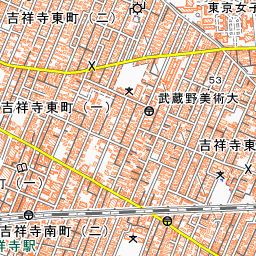
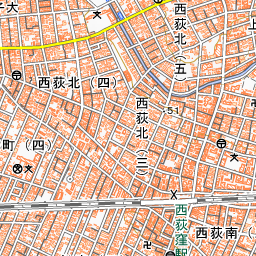
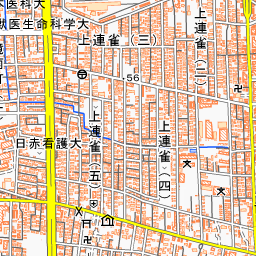
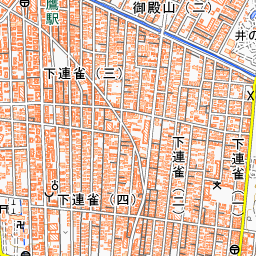
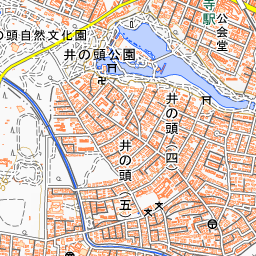
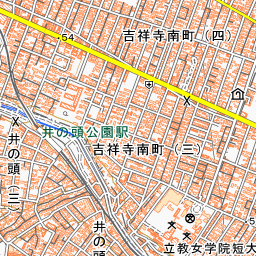
Spot location © OpenStreetMap contributors (ODbL)
Open in Google MapsUse asobot while you walk
- See where you are on the map and find spots nearby
- Listen to the guide's audio in course order, one after another (with subtitles)
- Walk to the next spot while following the map
Open on your phone
Scan to open this spot in asobot on your phone.