 ✨ AI Generated
Ishibune Bridge
Japanese: 石舟橋
Akiruno, Tokyo
This information was written by AI and may contain mistakes. Please check official sources for opening hours, fees, and other details before you go.
Found a mistake? Let us know with “✏️ Something's wrong” on this spot's screen in asobot →
🎧 Audio guide(1:00)
In short
Ishibune Bridge is a 96-meter-long pedestrian suspension bridge spanning the Aki River in the Akigawa Valley. Considered a symbol of the Akigawa Valley, it offers views from the bridge of the valley scenery as it changes with the four seasons, such as fresh greenery and autumn foliage. Across the bridge lies the hot spring facility Akigawa Valley Seoto-no-Yu. During the autumn foliage season, it bustles with many visitors.
- Views from the Bridge: The waters of the Aki River flow below, with forests and mountain ridges spreading all around
- Autumn Foliage: The surrounding mountains turn shades of gold, red, yellow, and orange
- Path to the Hot Spring: Crossing the bridge and following the walking path through the woods leads to Akigawa Valley Seoto-no-Yu
History and Highlights
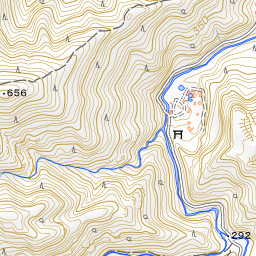
Ishibune Bridge is a suspension bridge spanning the Aki River, which flows through Otsu and Tokura in Akiruno City. Located within Chichibu-Tama-Kai National Park, it measures 96 meters in total length. Built for pedestrians, it was constructed to provide access to the hot spring facility Akigawa Valley Seoto-no-Yu. Today, it has become one of the premier sightseeing spots in the Akigawa Valley.
The Akigawa Valley stretches approximately 20 kilometers from Akiruno City to Hinohara Village. Ishibune Bridge is considered its symbol, and the scenery that changes expression through the four seasons—including fresh greenery and autumn leaves—is truly impressive. Situated along Hinohara Kaido (Tokyo Metropolitan Route 33), it is an easy place to stop by.
Standing on the bridge, visitors are surrounded by dense forest, with endless mountain ridges unfolding and the Aki River flowing beneath. It offers a landscape that makes one forget it is only 1 hour and 15 minutes away from central Tokyo.
Tips for Viewing and Experiences
- View the Autumn Foliage: From around mid-November to early December, the surrounding mountains turn gold, red, yellow, and orange. Within the Akigawa Valley, the area around Jurigi is known as an impressive spot for autumn colors.
- Visit during the Season of Fresh Greenery: The scenery during the season of fresh greenery is also well worth seeing. From after the May holidays into June, it is said that there are not as many visitors as during the autumn foliage season, making it suitable for those who want a leisurely view.
- Capture in Photos: The view of the Akigawa Valley from the bridge is also famous as a subject for photographs. Be sure to bring a camera along.
Walking Tips
Take a bus from Musashi-Itsukaichi Station on the JR Itsukaichi Line and get off at the Jurigi bus stop. Cross the road and walk toward Hinohara Village, and you will reach Ishibune Bridge in about 6 minutes. After crossing the bridge, continue along the walking path through the woods. The path splits into two along the way, but either route leads to Seoto-no-Yu. Some visitors also enjoy a barbecue or picnic near the bridge before heading to Seoto-no-Yu. The area bustles with many people during the autumn foliage season. Kotoku-ji Temple is located about 2.6 kilometers to the east.


Guides that include this spot (1)
Use asobot while you walk
- See where you are on the map and find spots nearby
- Listen to the guide's audio in course order, one after another (with subtitles)
- Walk to the next spot while following the map
Open on your phone
Scan to open this spot in asobot on your phone.