 ✨ AI Generated
Inokashira Park Zoo
Japanese: 井の頭自然文化園
Musashino, Tokyo
This information was written by AI and may contain mistakes. Please check official sources for opening hours, fees, and other details before you go.
Found a mistake? Let us know with “✏️ Something's wrong” on this spot's screen in asobot →
🎧 Audio guide(0:59)
In short
Opened on May 17, 1942, Inokashira Park Zoo is a zoological park located inside Inokashira Onshi Park. It is divided into the "Main Park (Zoo)," which features an exhibition hall and a sculpture garden, and the "Branch Park (Aquatic Life Park)," which displays aquatic life and waterbirds. A single admission ticket grants access to both the Main Park and the Branch Park.
- Japanese Squirrel Enclosure (Risu no Komichi): A walk-through enclosure in the Main Park where you can step into the living space of Japanese squirrels and observe their behavior up close.
- Kitamura Seibo Sculpture Garden: Located at the far end of the Main Park, it features a full-scale plaster model of the Peace Statue.
- Aquatic Life Park: A branch park surrounded by Inokashira Pond, exhibiting creatures that inhabit rivers and ponds as well as birds living by the waterside.
History and Highlights
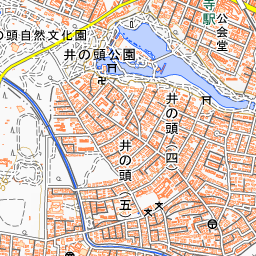
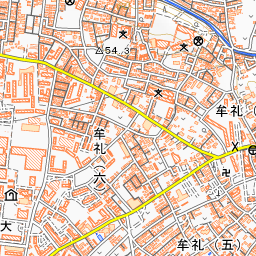
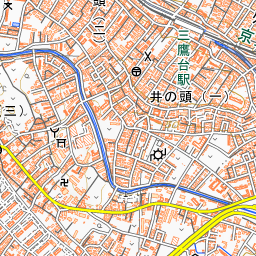
Inokashira Park Zoo is a zoo situated within Inokashira Onshi Park. Its grounds make up nearly one-third of the park and are divided into two sections: the Main Park (Zoo) and the Branch Park (Aquatic Life Park). The Main Park is located in Gotenyama, Musashino City, while the Branch Park is situated next to Inokashira Pond in Mitaka City.
The zoo opened during World War II on May 17, 1942. It was created under the philosophy that "it is necessary to perceive matters of the natural world comprehensively and scientifically." At the time, the Japanese word for culture (bunka) carried the meaning of "cultivation" or "refinement," and the facility received this name as a garden intended to nurture cultivation based on natural sciences.
The Branch Park has an even older history. A small zoo was established in 1934 on Nakanoshima Island in Inokashira Pond, and in 1936, the Aquatic Life House—an aquarium specializing in freshwater fish—was built. In 1954, an Asian elephant named Hanako arrived at the Main Park from Ueno Zoological Gardens. Hanako passed away in 2016 at the age of 69.
Today, the park houses approximately 160 species of animals, around 140 of which are native to Japan. The Main Park primarily exhibits creatures that live in the fields and mountains of Japan.
Tips for Viewing and Experiences
- Japanese Squirrel Enclosure (Risu no Komichi): A walk-through enclosure in the Main Park that allows visitors to enter the living area of Japanese squirrels. You can observe the squirrels' movements up close with nothing separating you.
- Kitamura Seibo Sculpture Garden: Located at the very back of the Main Park, visitors can view works by the sculptor Kitamura Seibo outdoors, in Sculpture Pavilions A and B, and in the Atelier. The 9.7-meter-tall full-scale prototype of the Peace Statue was completed in the atelier built here in 1953 (now the Atelier pavilion). That plaster prototype is housed in Sculpture Pavilion A.
- Aquatic Life Park (Branch Park): Taking advantage of its setting surrounded by Inokashira Pond, this area exhibits living creatures that dwell by the water. Inside the Aquatic Life House, visitors can see not only fish, but also amphibians such as frogs, aquatic insects, and aquatic plants. Outdoors, bird enclosures for waterside birds stretch across the grounds, where large bald cypress trees grow their trunks straight upward.
Visiting Tips
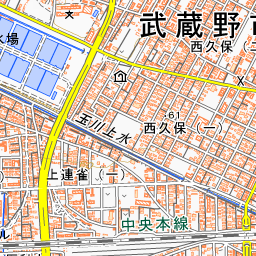
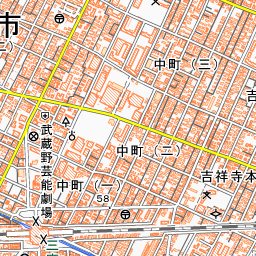
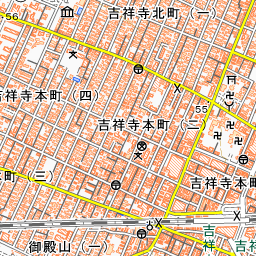
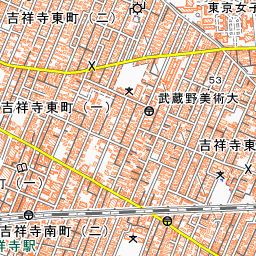
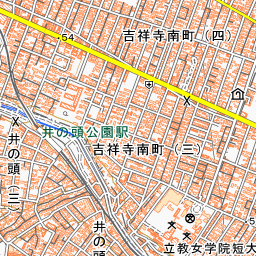
The zoo is about a 10-minute walk from the Park Exit (South Exit) of Kichijoji Station on the JR Chuo and Sobu Lines and the Keio Inokashira Line. A single admission ticket allows entry to both the Main Park and the Branch Park. However, to travel between the two sections, you must exit through the gates and walk along public roads or through Inokashira Onshi Park. Walking between the two grounds takes about 5 minutes. The Main Park has only one entrance/exit at the Main Gate, while at the Branch Park, the Benten Gate is the closest entrance/exit to the Main Park. For the Main Park, entering through the Main Gate, heading right, and following a counterclockwise route is recommended. When touring at a leisurely pace, exploring both parks takes about 1 hour and 30 minutes, the Main Park alone takes about 1 hour, and the Branch Park alone takes about 30 minutes. To explore Inokashira Pond and the surrounding park area around the Branch Park, please see "Inokashira Onshi Park."
Guides that include this spot (1)
Use asobot while you walk
- See where you are on the map and find spots nearby
- Listen to the guide's audio in course order, one after another (with subtitles)
- Walk to the next spot while following the map
Open on your phone
Scan to open this spot in asobot on your phone.