 ✨ AI Generated
Nagai Park
Japanese: 長居公園
Higashisumiyoshi Ward, Osaka
This information was written by AI and may contain mistakes. Please check official sources for opening hours, fees, and other details before you go.
Found a mistake? Let us know with “✏️ Something's wrong” on this spot's screen in asobot →
🎧 Audio guide(1:10)
In short
A comprehensive park in Higashisumiyoshi Ward, Osaka City, representative of Osaka. Although it opened during wartime on April 1, 1944, it was actually used for anti-aircraft gun positions and agricultural land to produce food, and after the end of the war, it was used as a horse racetrack and a velodrome (bicycle racing track). From 1959, it was gradually developed into a full-scale urban park, and in 2022, management was entrusted to the private sector, and a major renewal was carried out.
- Yanmar Stadium Nagai: An athletics stadium certified as a Class 1 facility by the Japan Association of Athletics Federations. The curved roof covering the stands, which hold 50,000 people, was designed without supporting pillars. Matches of the 2002 FIFA World Cup were held here
- Nagai Botanical Garden: A 24.2-hectare botanical garden that accounts for about one-third of the park, where approximately 1,200 plant species are planted, with 11 specialty gardens, including a camellia garden, rose garden, and hydrangea garden
- Osaka Museum of Natural History: A museum located inside the Nagai Botanical Garden, with four permanent exhibitions themed on nature, such as "History of the Earth and Life" and "Evolution of Life"
History and Highlights
Nagai Park is a comprehensive park located in Higashisumiyoshi Ward, Osaka City, and is one of the representative parks of Osaka. It is counted among the city's major parks alongside Tennoji, Osaka Castle, and Utsubo Park.
Originally farmland with irrigation ponds, the park development plan began in 1928 as part of Osaka City's urban planning. Although it opened during wartime on April 1, 1944, it was actually used for anti-aircraft gun positions and agricultural land to produce food. After the end of the war, the grounds were used as a horse racetrack and a velodrome (bicycle racing track), helping to support Osaka City's postwar finances. Horse racing was abolished in 1959 and bicycle racing in 1962, and from 1959 onward, it was developed into a full-scale urban park.
The stadiums and ballparks hosted the Namihaya National Athletic Meet in 1997 and the World Athletics Championships in 2007, and Cerezo Osaka of the J.League also uses them as their home stadium. In 2022, management was entrusted to the private sector, and a major renewal was carried out.
Viewing and Experience Highlights
- Yanmar Stadium Nagai: This athletics stadium is certified as a Class 1 facility by the Japan Association of Athletics Federations. The curved roof covering the 50,000-seat stands was designed without supporting pillars, offering unobstructed views of the field and track from any seat. Matches of the 2002 FIFA World Cup were held here, and it also serves as the venue for the Osaka International Women's Marathon.
- Nagai Botanical Garden: Covering 24.2 hectares, which accounts for about one-third of the park, this botanical garden is home to approximately 1,200 plant species. It features 11 specialty gardens, including a camellia garden, rose garden, and hydrangea garden, as well as the "Forest of History," where visitors can stroll through a recreation of Osaka's forests from ancient times to the present.
- Osaka Museum of Natural History: Located inside the Nagai Botanical Garden, this museum was established together with the botanical garden to introduce visitors to the origins and transitions of nature. It houses four permanent exhibition rooms themed on nature, such as "History of the Earth and Life" and "Evolution of Life."
Travel Tips
The park is right outside Exit 2 of Nagai Station on the Osaka Metro Midosuji Line, and a 5-minute walk east from the East Exit of Nagai Station on the JR Hanwa Line. The park is open at all times, and entry is free. Facilities such as the botanical garden and the museum have their own operating hours and admission fees.
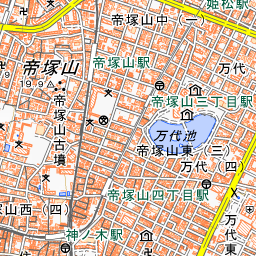
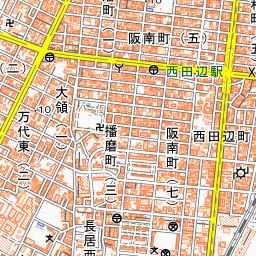
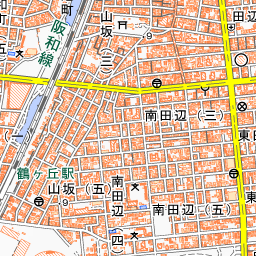
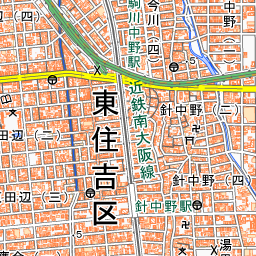
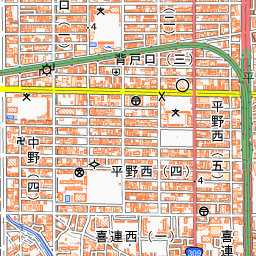
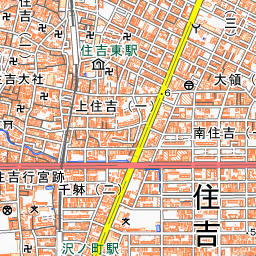
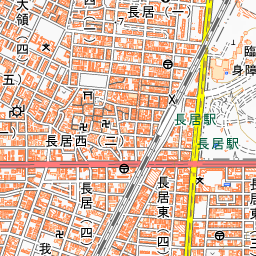
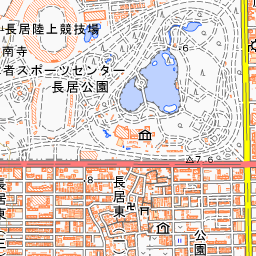
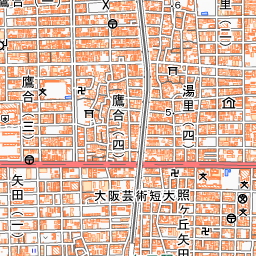
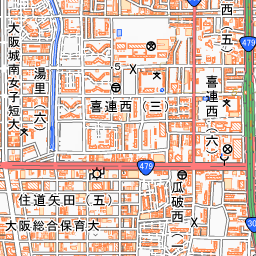
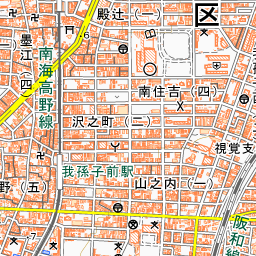
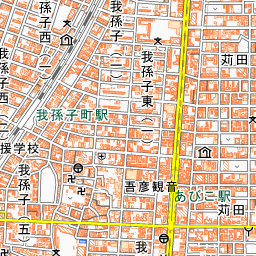
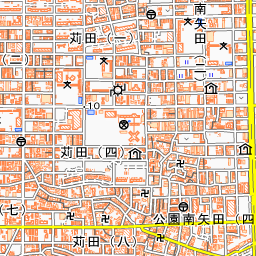


Spot location © OpenStreetMap contributors (ODbL)
Open in Google MapsUse asobot while you walk
- See where you are on the map and find spots nearby
- Listen to the guide's audio in course order, one after another (with subtitles)
- Walk to the next spot while following the map
Open on your phone
Scan to open this spot in asobot on your phone.