 ✨ AI Generated
National Museum of Nature and Science
Japanese: 国立科学博物館
Taito City, Tokyo
This information was written by AI and may contain mistakes. Please check official sources for opening hours, fees, and other details before you go.
Found a mistake? Let us know with “✏️ Something's wrong” on this spot's screen in asobot →
🎧 Audio guide(1:07)
In short
Founded in 1877, the National Museum of Nature and Science (Kahaku) is one of the oldest museums in Japan. As the country's only national comprehensive science museum dedicated to natural history and the history of science and technology, it holds a collection of approximately 5 million items. Permanent exhibitions are housed in two buildings: the Japan Gallery and the Global Gallery.
- Japan Gallery: A building designated as an Important Cultural Property. Viewed from above, it is shaped like an airplane.
- Futabasaurus suzukii and Hachiko: The reconstructed skeleton of the plesiosaur Futabasaurus suzukii and the taxidermy mount of Faithful Dog Hachiko in the Japan Gallery are popular exhibits across generations.
- Dinosaur Exhibits: On the first basement floor of the Global Gallery, visitors can see a full-body skeleton replica of a Tyrannosaurus and "Raymond," a Triceratops composed of real fossils.
History and Highlights
The National Museum of Nature and Science was established in 1877 (Meiji 10) and is one of the oldest museums in Japan. That year, part of a new hall was completed on the grounds of Ueno, and it was renamed the "Museum of Education." This is considered the year of its founding. As Japan's only national comprehensive science museum covering natural history and the history of science and technology, it preserves a collection of around 5 million items.
In the Great Kanto Earthquake of 1923 (Taisho 12), the museum lost all of its facilities and specimens. The present Japan Gallery was constructed as a facility for its reconstruction. Completed in September 1931 (Showa 6), it was designated an Important Cultural Property in 2008 (Heisei 20). Featuring a Neo-Renaissance design, when viewed from the air, the building forms the shape of an airplane—a symbol of the cutting-edge science and technology of the time it was built.
The other building, the Global Gallery, celebrated its grand opening in 2004 (Heisei 16). The theme of the Japan Gallery is "The Environment of the Japanese Islands and Us," while the Global Gallery's theme is "History of Life on Earth and Humankind." Approximately 25,000 specimens and materials are on display in the permanent exhibitions.
Viewing and Experience Highlights
- Japan Gallery Central Hall: The center of the building features an open atrium hall. Look up to admire the white-walled dome and the stained glass letting in soft natural light.
- Futabasaurus suzukii and Hachiko: These exhibits have enjoyed popularity across generations. On the 3rd floor stands a full-body skeletal reconstruction of the plesiosaur Futabasaurus suzukii. The fossil was discovered in Iwaki City, Fukushima Prefecture, in 1968 by high school student Suzuki Tadashi. On the 2nd floor, you will find mounted specimens of Faithful Dog Hachiko and Jiro, a dog that took part in the Antarctic expedition.
- Exploring the Mysteries of Dinosaurs: An exhibition room located on the first basement floor of the Global Gallery. In addition to a full-body skeleton replica of a Tyrannosaurus, a Triceratops nicknamed "Raymond" is displayed in the back; it is a genuine fossil, excavated with its skull and body still connected.
Visiting Tips
It is a 5-minute walk from the Park Exit of JR Ueno Station. Located outdoors are a 30-meter-long life-size model recreating a blue whale and a D51 steam locomotive that operated until 1975 (Showa 50).
Because the exhibition halls are quite vast, the museum's recommended routes are very useful. The Global Gallery highlight route takes about 90 minutes, and the Japan Gallery recommended route takes about 60 minutes. In the Japan Gallery, exploring from the 3rd floor South Wing down through the 2nd and 1st floors lets you follow the path from the formation of the Japanese archipelago to our ancestors and down to the present day. In the first basement of the Japan Gallery, there is also Theater 36○. The entire interior of the 12.8-meter-diameter dome is a screen, where you watch videos standing on a bridge inside.
The National Museum of Western Art is located approximately 80 meters to the southwest.


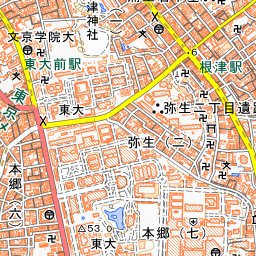

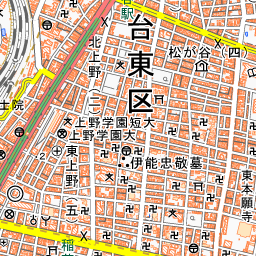

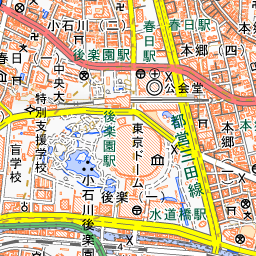
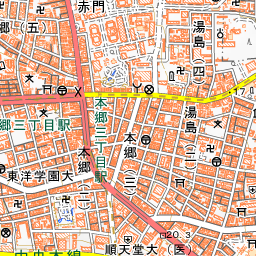


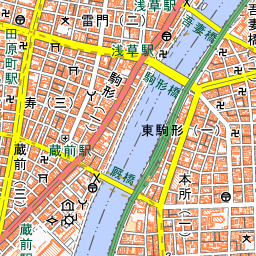
Spot location © OpenStreetMap contributors (ODbL)
Open in Google MapsGuides that include this spot (1)
Use asobot while you walk
- See where you are on the map and find spots nearby
- Listen to the guide's audio in course order, one after another (with subtitles)
- Walk to the next spot while following the map
Open on your phone
Scan to open this spot in asobot on your phone.