 ✨ AI Generated
Makino Memorial Garden
Japanese: 牧野記念庭園
Nerima City, Tokyo
This information was written by AI and may contain mistakes. Please check official sources for opening hours, fees, and other details before you go.
Found a mistake? Let us know with “✏️ Something's wrong” on this spot's screen in asobot →
🎧 Audio guide(1:00)
In short
Makino Memorial Garden is the site of the home and garden where botanist Dr. Makino Tomitaro spent about 30 years until his death. The doctor cherished his home garden as "my botanical garden." Even today, about 300 types of plants and trees grow here, and the doctor's study has been recreated to reflect its appearance at the time. It is about a 5-minute walk from the South Exit of Oizumi-gakuen Station and is a Tokyo designated cultural property.
- Sueko-zasa: A plant discovered by the doctor and named after his wife. A bust of the doctor also stands in the garden.
- Cherry Garden: In the garden of the doctor, who loved cherry blossoms, various kinds of cherry blossoms bloom across the changing seasons.
- Study and Library: You can view part of the doctor's study and book repository preserved within a protective structure (sayado).
History and Highlights
Makino Memorial Garden is the site of the former residence and garden where botanist Dr. Makino Tomitaro (1862–1957) lived. He is regarded as the father of Japanese plant taxonomy. On May 3, 1926 (Taisho 15), he moved from Shibuya to Oizumi, spending about 30 years here until he passed away in 1957 (Showa 32) at the age of 94.
When he moved, the doctor was 64 years old. Together with his wife, Sue, he held the dream of creating a botanical garden and building a specimen hall. Plants sent from various regions and plants collected by the doctor were planted in the yard, turning it into "my botanical garden." In 1941, the Makino Botanical Specimen Hall was also built to store numerous specimens.
In 1958 (Showa 33), the year after the doctor passed away, Nerima Ward opened this site as a garden. Today, it is designated as a Tokyo Cultural Property (Place of Scenic Beauty and Historic Site). During his lifetime, the doctor discovered and named more than 1,500 species of plants and collected about 400,000 specimens. In the permanent exhibition room of the Memorial Museum, visitors can trace the life of the doctor who dedicated his life to botanical research through his cherished collecting and drawing tools, writings, and botanical illustrations. The current Memorial Museum is the second-generation building designed by architect Naito Hiroshi, which opened in August 2010.
Points to See and Experience
- Sueko-zasa: A plant discovered by the doctor and named after his wife. About 300 kinds of plants grow in the garden, alongside many other rare plants considered academically valuable, such as the heranoki (Tilia kiusiana). A bust of the doctor also stands within the grounds.
- Shooku Exhibition Room: Protected within a shelter structure (sayado), parts of the doctor's study and book repository remain. In his later years, the doctor observed plants in the garden and worked diligently in this study writing books and drawing botanical illustrations. In the repository, as many as 45,000 books were stacked. Since the spring of 2023, the study has been recreated to show how it looked in those days.
- Cherry Garden: In the garden of the doctor, who loved cherry trees, various cherry blossoms such as kanhizakura, sendai-ya, and yamazakura bloom as the seasons change. The ward considers the sendai-ya cherry tree in the garden to be one of the largest in Japan.
Visitor Tips
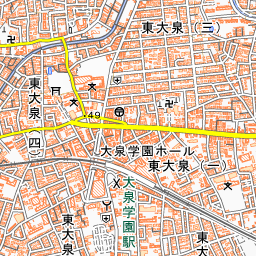
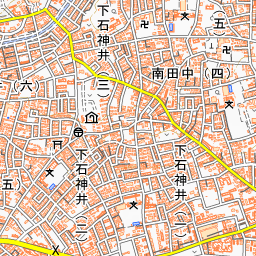
It is about 400 meters and roughly a 5-minute walk from the South Exit of Oizumi-gakuen Station on the Seibu Ikebukuro Line. In spring, the Ookanzakura, a variety of cold-flowering cherry (kanzakura), begins to bloom at the entrance of the garden. Walking around the garden to observe the plants first, and then visiting the Memorial Museum and the Shooku Exhibition Room, allows you to gain a deep understanding of the doctor's life and research. About 1 kilometer to the northeast is the Toei Animation Museum.


Use asobot while you walk
- See where you are on the map and find spots nearby
- Listen to the guide's audio in course order, one after another (with subtitles)
- Walk to the next spot while following the map
Open on your phone
Scan to open this spot in asobot on your phone.