 ✨ AI Generated
Jotenkaku Museum
Japanese: 承天閣美術館
Kamigyo Ward, Kyoto
This information was written by AI and may contain mistakes. Please check official sources for opening hours, fees, and other details before you go.
Found a mistake? Let us know with “✏️ Something's wrong” on this spot's screen in asobot →
🎧 Audio guide(1:07)
In short
An art museum on the grounds of Shokoku-ji Temple, built in 1984 (Showa 59) as one of the projects commemorating the 600th anniversary of the founding of Shokoku-ji Temple. Centered on calligraphic works (bokuseki), paintings, and tea utensils handed down at Shokoku-ji Temple, Rokuon-ji Temple (Kinkaku-ji Temple), Jisho-ji Temple (Ginkaku-ji Temple), and other temples, it houses many cultural properties, including 5 National Treasures and 145 Important Cultural Properties.
- Wall Paintings by Ito Jakuchu: In Exhibition Room 2, you can closely view part of the Important Cultural Property "Rokuon-ji Temple Oshoin Hall Wall Paintings," which once decorated the shoin hall of Kinkaku-ji Temple
- Reconstruction of Sekkatei: In Exhibition Room 1, the "Sekkatei" teahouse on the grounds of Rokuon-ji Temple, said to be the work of Kanamori Sowa, has been reconstructed
- Masterpieces Preserved in Zen Temples: Items handed down through Zen temples, such as calligraphic works, paintings, and tea utensils, can be viewed from a different perspective in each exhibition
History and Highlights
Jotenkaku Museum is an art museum located within the grounds of Shokoku-ji Temple. It was built in April 1984 (Showa 59) as one of the commemorative projects marking the 600th anniversary of the founding of Shokoku-ji Temple. Shokoku-ji Temple is the head temple of the Rinzai sect's Shokoku-ji branch; Kinkaku-ji Temple and Ginkaku-ji Temple are sangai-tatchu (sub-temples outside the main temple precincts) of Shokoku-ji Temple, and Shokoku-ji Temple's monks still manage them today.
The museum houses works of art that have been passed down through Shokoku-ji Temple, Rokuon-ji Temple (Kinkaku-ji Temple), Jisho-ji Temple (Ginkaku-ji Temple), and the sub-temples of Shokoku-ji Temple. Its purpose is to preserve, exhibit, make publicly accessible, repair, and research these treasures, while sharing Zen culture widely. Centered on calligraphic works (bokuseki), paintings, and tea utensils from the medieval to early modern periods, it preserves many cultural properties, including 5 National Treasures and 145 Important Cultural Properties, and hosts a variety of exhibitions.
Viewing and Experience Highlights
- Wall Paintings by Ito Jakuchu: In Exhibition Room 2, part of the "Rokuon-ji Temple Oshoin Hall Wall Paintings"—an Important Cultural Property and masterpiece of ink-wash painting by Ito Jakuchu, a painter active in early modern Kyoto—has been relocated. You can closely view the paintings that once decorated the shoin hall of Kinkaku-ji Temple.
- Reconstruction of Sekkatei: In Exhibition Room 1, the "Sekkatei" teahouse, which stands on the grounds of Rokuon-ji Temple and is said to be the work of Kanamori Sowa, has been reconstructed. You can view the structure that stands on the grounds of Kinkaku-ji Temple right inside the exhibition room.
- Masterpieces Preserved in Zen Temples: The treasures of Shokoku-ji Temple, Rokuon-ji Temple, and Jisho-ji Temple are housed in this museum and periodically placed on public display. Items handed down through Zen temples—such as calligraphic works, paintings, and tea utensils—can be appreciated from different perspectives with each exhibition.
Travel Tips
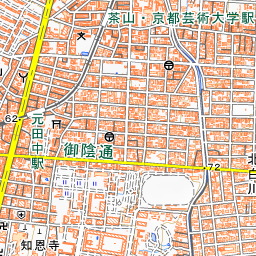
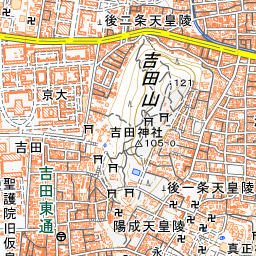
It is about an 8-minute walk from Imadegawa Station on the Karasuma Subway Line. Because the museum is located on the grounds of Shokoku-ji Temple, it is recommended to explore it alongside the temple complex, such as the Hatto (Dharma Hall) surrounded by pine groves. The history of Shokoku-ji Temple and the "Crying Dragon" of the Hatto are introduced under "Shokoku-ji Temple." Since the exhibition content changes depending on the season, checking the museum information before departing will ensure a smooth visit if there are specific works you wish to see.



Use asobot while you walk
- See where you are on the map and find spots nearby
- Listen to the guide's audio in course order, one after another (with subtitles)
- Walk to the next spot while following the map
Open on your phone
Scan to open this spot in asobot on your phone.