 ✨ AI Generated
Musashi Fuchu Kumano-jinja Kofun Burial Mound
Japanese: 武蔵府中熊野神社古墳
Fuchu, Tokyo
This information was written by AI and may contain mistakes. Please check official sources for opening hours, fees, and other details before you go.
Found a mistake? Let us know with “✏️ Something's wrong” on this spot's screen in asobot →
🎧 Audio guide(0:58)
In short
Musashi Fuchu Kumano-jinja Kofun Burial Mound is a "joenkahofun" (a round-topped mound with a square base) built between the mid- and late 7th century, located behind the main hall (honden) of Kumano-jinja Shrine in Nishifu-cho, Fuchu City. Featuring a three-tiered shape with two square lower tiers and a circular top tier, it is designated as a National Historic Site. Today, it has been restored to a state close to its original appearance, allowing visitors to see the stone-covered burial mound.
- Three-Tiered Mound: The first tier is a square measuring about 32 meters on each side, the second tier is a square about 23 meters on each side, and the third tier is circular with a diameter of about 16 meters.
- Rare Shape: Only about six verified examples of round-topped, square-based mounds exist nationwide, and this is considered the largest and oldest among those paved with stones.
- Full-Scale Stone Chamber Replica: The adjacent exhibition hall features a full-scale replica that reconstructs the appearance of the burial stone chamber.
History and Highlights
Musashi Fuchu Kumano-jinja Kofun Burial Mound is a burial mound located behind the main hall of Kumano-jinja Shrine in Nishifu-cho, Fuchu City. It is a joenkahofun (round-topped, square-based mound) constructed between the mid- and late 7th century and was designated as a National Historic Site in 2005. Only about six verified examples of round-topped, square-based mounds exist nationwide, and it is regarded as the oldest and largest among those covered with stone paving.
The mound has three tiers. The bottom two tiers are square, and the uppermost tier is circular. The first tier measures approximately 32 meters on each side and is lined with cut stones around its perimeter. The second tier measures about 23 meters on each side, and the third tier has a diameter of about 16 meters. The second and third tiers are finished with river-stone paving (fuki-ishi).
This shape was revealed during archaeological excavations conducted between 2003 and 2004. Prior to the restoration, it is said to have been a small, tree-covered hill. A member of the local preservation society recalled being "astonished" upon learning that it was a burial mound.
Inside is a horizontal stone chamber built of cut stones, with a total length of about 8.8 meters. Although it had been looted, artifacts such as scabbard-end fittings (sayajiri-kanagu) and small glass beads were excavated from the chamber. The scabbard-end fitting features inlay work arranging "shichiyomon" (seven-luminary patterns) in seven locations, a design with no known parallels inside or outside Japan. The site is identified as the tomb of a regional chieftain representing Musashi during this period.
Tips for Viewing and Experiencing
- Stone-Covered Three-Tiered Mound: The mound has been restored to a shape close to its appearance in ancient times. Trace with your eyes the form of a round tier sitting atop two square tiers.
- Enter the Stone Chamber Replica: The adjacent exhibition hall has a "Stone Chamber Restoration Exhibition Room" that recreates the chamber's interior. It is a full-scale replica, and visitors can borrow a flashlight and a helmet at the reception to go inside.
- Soil Layer Specimens in the Exhibition Hall: The exhibition hall introduces the burial mound through soil layer specimens of the mound, photos taken during excavations, and explanatory panels. The earthen mound was built up using the "hanchiku" (rammed earth) technique.
Walking Tips
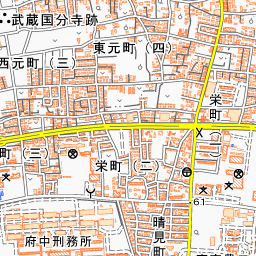
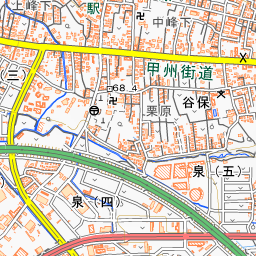
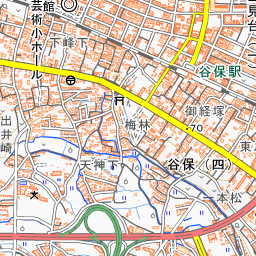
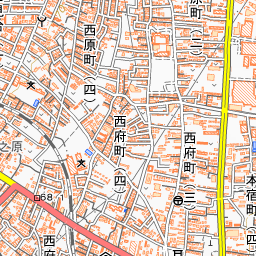
It is about an 8-minute walk from Nishifu Station on the JR Nambu Line. From Fuchu Station on the Keio Line, take a Keio Bus to the "Nishifu-cho Nichome" bus stop, from which it is about a 4-minute walk. The exhibition hall does not have a parking lot.
If you first view the burial mound behind the main hall of Kumano-jinja Shrine and then enter the stone chamber replica at the exhibition hall, you can enjoy the exterior shape and interior structure consecutively.
About 1.2 kilometers to the east lies the ancient Tosando Musashi-michi, and about 2 kilometers to the east-southeast is the estimated site of the Musashi provincial government office (Kokucho). Around the time the mound was built, Tosando Musashi-michi was laid nearby, and soon after in the early 8th century, the Musashi Kokufu (provincial capital) was established. Be sure to also visit the Musashi Kokufu Site.
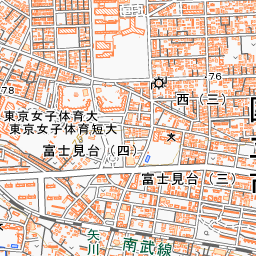
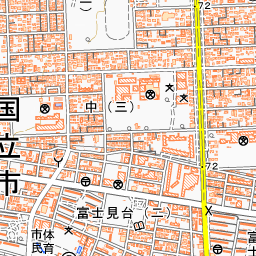
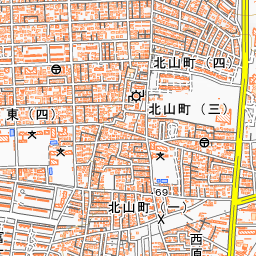
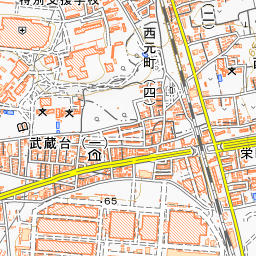
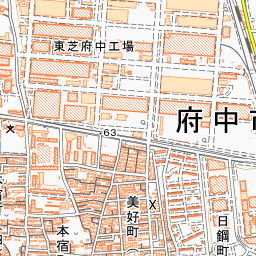
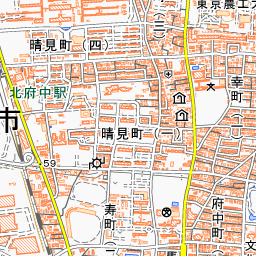
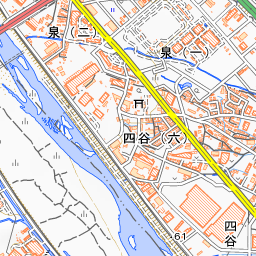

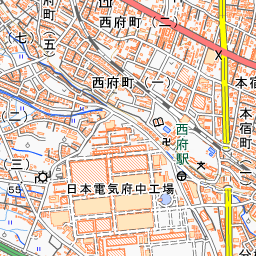
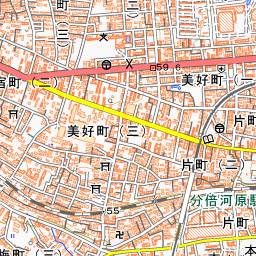
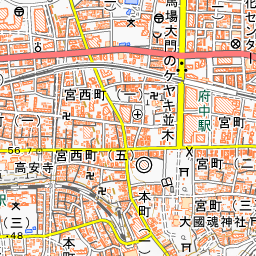
Spot location © OpenStreetMap contributors (ODbL)
Open in Google MapsUse asobot while you walk
- See where you are on the map and find spots nearby
- Listen to the guide's audio in course order, one after another (with subtitles)
- Walk to the next spot while following the map
Open on your phone
Scan to open this spot in asobot on your phone.