 ✨ AI Generated
Shogunzuka Mound
Japanese: 将軍塚
Higashiyama Ward, Kyoto
This information was written by AI and may contain mistakes. Please check official sources for opening hours, fees, and other details before you go.
Found a mistake? Let us know with “✏️ Something's wrong” on this spot's screen in asobot →
🎧 Audio guide(1:08)
In short
A mound associated with the beginnings of Heian-kyo, on the summit of Higashiyama in Kyoto. It is now within Shogunzuka Seiryuden Hall of the Tendai sect's Shoren-in Temple. According to legend, the name comes from Emperor Kanmu ordering that a clay statue of a general, clad in armor and a helmet, be made and buried in a mound to protect the capital.
- Shogunzuka Mound and Garden: The mound, about 20 meters square, still remains today. The garden, which incorporates karesansui (dry landscape) elements into a strolling-style garden, is planted with about 220 maples and about 200 cherry trees and is a renowned spot for autumn foliage and cherry blossoms
- Seiryuden and the National Treasure Blue Fudo: A large goma hall (hall for fire rituals) completed in 2014 (Heisei 26). Enshrined in the inner sanctuary is the mid-Heian period National Treasure Buddhist painting "Blue Fudo," and visitors can pray before an elaborate replica placed in front of it
- View from the Grand Wooden Stage: From the wooden grand stage, 4.6 times the size of the stage at Kiyomizu-dera Temple, you can look down over the city of Kyoto. From the western observation deck, you can see far into the distance, as far as the buildings of Osaka
History and Highlights
Shogunzuka Mound is a mound associated with the beginnings of Heian-kyo, located at the summit of Higashiyama in Kyoto. Situated directly above Shijo-dori Street, which runs through central Kyoto, it is now located within Shogunzuka Seiryuden Hall of the Tendai sect's Shoren-in Temple.
According to legend, Emperor Kanmu relocated the capital from Nara to Nagaoka, but a series of mishaps followed. Wake no Kiyomaro then invited the emperor to the top of this mountain and, looking down over the Kyoto basin, recommended it as a suitable location for the capital, and the emperor began the construction of Heian-kyo in the 13th year of the Enryaku era (794). To protect the capital, the emperor ordered a clay statue of a general, about 2.5 meters tall, to be made, clad in armor and a helmet, equipped with an iron bow and arrow, and wearing a long sword, and buried in a mound. This is the origin of the name Shogunzuka Mound. Legends that the mound rumbled whenever a major national event occurred remain in works such as the Genpei Josuiki and Taiheiki.
Viewing and Experience Highlights
- Shogunzuka Mound and Garden: Shogunzuka Mound, measuring approximately 20 meters square, still remains today, and the adjacent garden features pine trees personally planted by figures such as Marshal Togo and Okuma Shigenobu. The garden incorporates karesansui (dry landscape) elements into a strolling-style garden; planted with about 220 maples and about 200 cherry trees, it is a renowned spot for autumn foliage and cherry blossoms. From the arbor, you can look out over Shogunzuka Mound and the Nishiyama mountains.
- Seiryuden and the National Treasure Blue Fudo: Seiryuden is a large goma hall (hall for fire rituals) rebuilt by relocating the Butokuden, which had originally been constructed in front of Kitano Tenmangu Shrine to commemorate the accession of Emperor Taisho; it was completed in October 2014 (Heisei 26). Enshrined in the inner sanctuary is a mid-Heian period National Treasure Buddhist painting known as the "Blue Fudo" (Aofudo) due to its blue-black skin, and visitors can pray before an elaborate replica placed in front.
- View from the Grand Wooden Stage: Shogunzuka Seiryuden Hall features a wooden grand stage 4.6 times the size of the stage at Kiyomizu-dera Temple. The city of Kyoto spreads out below, and from the western observation deck, you can look far into the distance toward the buildings of Osaka.
Visiting Tips
Located at the top of the Higashiyama Driveway, it is about a 20-minute taxi ride from Kyoto Station and about a 5-minute taxi ride from Keage Station on the subway Tozai Line. Those accustomed to mountain paths can hike up the Higashiyama Trail from Shoren-in Temple in about 30 minutes. In spring and autumn, special evening illuminations take place from sunset, allowing visitors to enjoy the garden's cherry blossoms or autumn foliage alongside the night view of Kyoto. Shoren-in Temple, connected via the Higashiyama Trail, can also be visited in conjunction.

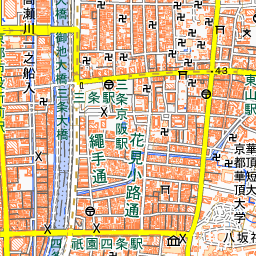


Spot location © OpenStreetMap contributors (ODbL)
Open in Google MapsUse asobot while you walk
- See where you are on the map and find spots nearby
- Listen to the guide's audio in course order, one after another (with subtitles)
- Walk to the next spot while following the map
Open on your phone
Scan to open this spot in asobot on your phone.