 ✨ AI Generated
Higashi Hongan-ji Temple
Japanese: 東本願寺
Shimogyo Ward, Kyoto
This information was written by AI and may contain mistakes. Please check official sources for opening hours, fees, and other details before you go.
Found a mistake? Let us know with “✏️ Something's wrong” on this spot's screen in asobot →
🎧 Audio guide(1:08)
In short
The head temple of the Shinshu Otani branch, formally called "Shinshu Honbyo." In 1602 (Keicho 7), Kyonyo Shonin received land between Karasuma Rokujo and Shichijo, donated by Tokugawa Ieyasu, and opened a new Hongan-ji temple, which is the present-day Higashi Hongan-ji Temple.
- Goei-do Hall: This hall enshrines the sacred image of Shinran Shonin and is described in the national cultural property commentary as a traditional wooden structure possessing the largest floor plan in Japan. In 2019 (Reiwa 1), it was designated an Important Cultural Property of Japan along with Amida-do Hall and other buildings
- Amida-do Hall and Goei-do Gate: The inner sanctuary of Amida-do Hall is solemnly adorned in gold from ceiling to pillars. Goei-do Gate, a 27-meter-tall two-story gate, displays a plaque bearing "Shinshu Honbyo"
- Kezuna Rope: A hauling rope woven from twisted hemp and human hair, made during the Meiji reconstruction to transport the huge timber used for the two halls
History and Highlights
Higashi Hongan-ji Temple is the head temple of the Shinshu Otani branch, and its official name is "Shinshu Honbyo." It began after the death of Shinran Shonin, when his disciples moved his remains from Otani to the north of Yoshimizu, built a mausoleum, and enshrined his image. Hongan-ji Temple moved to Yamashina and Ishiyama in Osaka during the Sengoku (Warring States) period, and in the 19th year of Tensho (1591), Toyotomi Hideyoshi granted temple land in Horikawa, Kyoto. Upon the death of Kennyo Shonin, his eldest son, Kyonyo Shonin, stepped down by order of Hideyoshi, and his younger brother, Junnyo Shonin, succeeded him. In the 7th year of Keicho (1602), Kyonyo Shonin was donated land between Karasuma Rokujo and Shichijo by Tokugawa Ieyasu and opened a new Hongan-ji temple. This is the present-day Higashi Hongan-ji Temple.
It burned down four times in fires during the Edo period, and in the fires of battle during the Kinmon Incident in the first year of Genji (1864), the last of these fires, all buildings within the precinct were destroyed. The two main halls were rebuilt in the 28th year of Meiji (1895), and the current appearance exists thanks to the deep devotion of many followers, including approximately 50,000 logs of timber, roof tiles, and tatami mats sent from across the country. In the first year of Reiwa (2019), Goei-do Hall, Amida-do Hall, Goei-do Gate, Amida-do Gate, the Bell Tower, and the Chozuya Hall (hand-washing pavilion) were designated as Important Cultural Properties of Japan.
Points for Appreciation and Experience
- Goei-do Hall: Standing nearly at the center of the precinct, this hall enshrines the sacred image of Shinran Shonin. Measuring 76 meters in front, 58 meters on the sides, and 38 meters in height, it is described in the national cultural property commentary as a traditional wooden structure possessing the largest floor plan in Japan. Combining the tatami mats of the inner and outer sanctuaries, there are as many as 927 mats.
- Amida-do Hall and Goei-do Gate: Amida-do Hall, which stands south of Goei-do Hall, enshrines the principal image of Amida Nyorai, and the inner sanctuary is solemnly adorned in gold from ceiling to pillars. Facing Karasuma-dori Street, Goei-do Gate is a 27-meter-tall two-story gate, with a plaque bearing the official name "Shinshu Honbyo" displayed on the upper level.
- Kezuna Rope: Materials related to the Meiji reconstruction are exhibited in the corridor connecting Goei-do Hall and Amida-do Hall. The "Kezuna Rope," woven from twisted hemp and human hair, was made as a stronger hauling rope to transport the huge timber used for the two halls.
Walking Tips
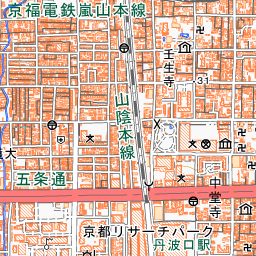
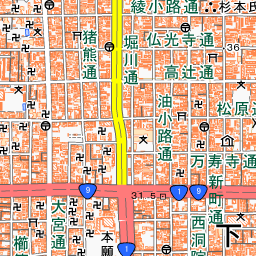
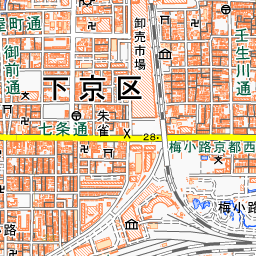
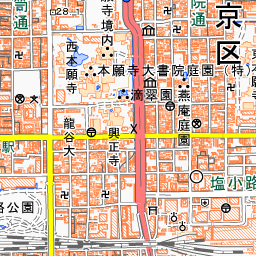
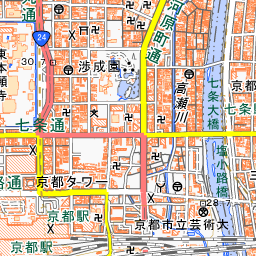
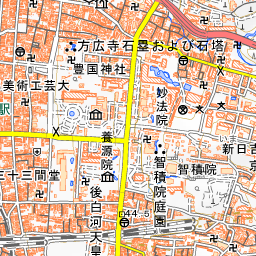
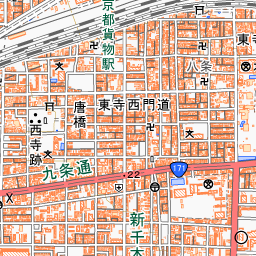
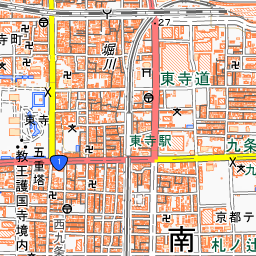
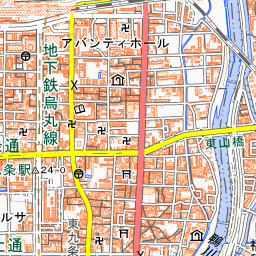
It is about a 7-minute walk from JR Kyoto Station and about 5 minutes from Gojo Subway Station. Along the lawn next to the moat facing Karasuma-dori Street, "Hogo Andon" (lanterns displaying accessible Buddhist teachings) are lined up. Heading east for a little over 400 meters, you will find Shosei-en Garden, a detached precinct garden, and about 400 meters to the south is Nidec Kyoto Tower. Proceeding west brings you to the Ryukoku Museum and Nishi Hongwanji Temple.


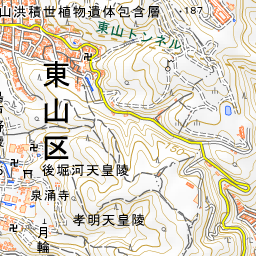
Spot location © OpenStreetMap contributors (ODbL)
Open in Google MapsGuides that include this spot (1)
Use asobot while you walk
- See where you are on the map and find spots nearby
- Listen to the guide's audio in course order, one after another (with subtitles)
- Walk to the next spot while following the map
Open on your phone
Scan to open this spot in asobot on your phone.