 ✨ AI Generated
Asuka Historical Museum
Japanese: 飛鳥資料館
Asuka Village, Nara
This information was written by AI and may contain mistakes. Please check official sources for opening hours, fees, and other details before you go.
Found a mistake? Let us know with “✏️ Something's wrong” on this spot's screen in asobot →
🎧 Audio guide(1:06)
In short
The Asuka Historical Museum introduces the history and culture of Asuka, centered on the achievements of excavation surveys conducted by the Nara National Research Institute for Cultural Properties. Through excavated artifacts and models, it explains the era from the 6th century, when Buddhism was introduced to Japan, to around the beginning of the 8th century, when the capital was relocated to Heijo-kyo. The reconstructed exhibition of the East Corridor of Yamada-dera Temple is a major highlight of the museum.
- Asuka Period Fountain: In the lobby, the actual Sekijinzo stone figure found at the Ishigami Site welcomes visitors.
- East Corridor of Yamada-dera Temple: The former corridor is reconstructed using architectural parts that were found buried underground in a collapsed state.
- Stone Objects in the Garden: Stone carvings of Asuka, such as replicas of the Kame-ishi Stone and Saru-ishi Stone, are arranged in the garden.
History and Highlights
The Asuka Historical Museum was established in 1975 as an exhibition facility of the Nara National Research Institute for Cultural Properties. Its permanent exhibitions are centered on the results of the institute's excavation surveys. The building was designed by Taniguchi Yoshiro, and the main building and ticket booth are Registered Tangible Cultural Properties of Japan.
The museum is situated outside the central area of Asuka. It is said that this was partly due to local requests, such as the preservation of the landscape and the hope that tourists would travel widely around the village.
Upon entering the lobby, visitors are greeted by the authentic Sekijinzo stone figure, an Asuka period fountain. Straight ahead are a 1:500 scale reconstructed model of the Asuka area and aerial photographs.
Exhibition Room 1 comprises six sections, covering topics from the introduction of Buddhism to palaces, workshops, burial mounds (kofun), and temples. The main exhibits include artifacts excavated from burial mounds such as Takamatsuzuka Kofun Burial Mound, artifacts and models from Mizuochi Ruins (Japan's first water clock), Asuka-dera Temple, and Kawara-dera Temple, as well as Fuhonsen, Japan's first minted coins.
Exhibition Room 2 focuses on Yamada-dera Temple. In an excavation survey in 1982, the East Corridor of Yamada-dera Temple was found buried in the ground in a collapsed state. This example is older than Horyu-ji Temple, which is the world's oldest surviving wooden building. In the exhibition room, the well-preserved parts spanning three bays have been reassembled into the corridor, each used in its original position. Because the wooden parts had lain buried for over 1,000 years, the preservation treatment took 14 years. It was designated an Important Cultural Property in 2007.
Tips for Viewing and Experiences
- Sekijinzo and Shumisen Stone: The Sekijinzo is a stone carving of two human figures. It was discovered at the Ishigami Site along with the Shumisen stone. Both have small holes and served as fountains that sprayed water from them.
- Full-Scale Water Clock: There is a full-scale restored model of a clepsydra (water clock) based on Chinese historical texts and a Qing dynasty water clock. A model of the remains of Mizuochi Ruins is also displayed.
- Garden: Stone objects of Asuka, including replicas of the Kame-ishi Stone and Saru-ishi Stone, are placed here. In spring, cherry blossoms and flowering peaches, and in autumn, ginkgo trees color the garden.
Walking Tips
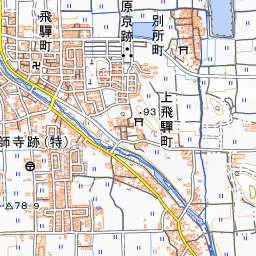
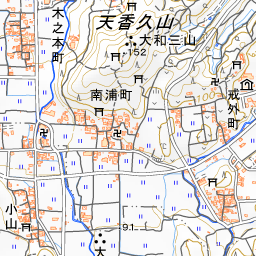
If taking a Nara Kotsu bus from Sakurai Station, it is about a 2-minute walk from the "Asuka Shiryokan" bus stop. If taking the Asuka Loop Bus, it is about a 5-minute walk from the "Asuka Okuyama / Asuka Shiryokan Nishi" bus stop. The museum recommends visiting here to learn before viewing the cultural properties of Asuka. It is about 1 kilometer to Asuka Mizuochi Ruins, about a 15-minute walk through the peaceful scenery of Asuka. Nearby, Yamada-dera Temple Site is about 460 meters to the east, and Asukaniimasu-jinja Shrine is about 560 meters to the south-southwest.

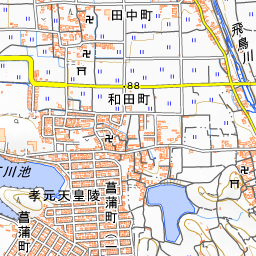
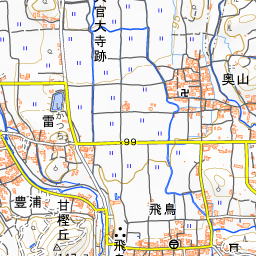
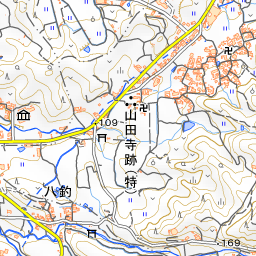

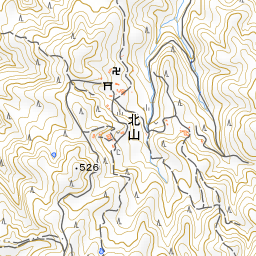
Spot location © OpenStreetMap contributors (ODbL)
Open in Google MapsGuides that include this spot (1)
Use asobot while you walk
- See where you are on the map and find spots nearby
- Listen to the guide's audio in course order, one after another (with subtitles)
- Walk to the next spot while following the map
Open on your phone
Scan to open this spot in asobot on your phone.