
Togoshi Ginza Shopping Street
Japanese: 戸越銀座商店街
Shinagawa City, Tokyo
This information was written by AI and may contain mistakes. Please check official sources for opening hours, fees, and other details before you go.
Found a mistake? Let us know with “✏️ Something's wrong” on this spot's screen in asobot →
🎧 Audio guide(0:53)
In short
Togoshi Ginza Shopping Street is a shopping street with a total length of approximately 1.3 kilometers, adjacent to Togoshi-Ginza Station on the Tokyu Ikegami Line. It is said that receiving bricks from Ginza after the Great Kanto Earthquake was the origin of the name "Togoshi Ginza." It is also said to be the original of the many "... Ginza" shopping streets across Japan.
- Bricks from Ginza: Shopkeepers reportedly pulled handcarts all the way to Ginza to collect bricks, aiming to make the poorly drained street easier to walk on.
- Three Shopping Associations: Made up of three shopping district promotion associations, the street is lined with more than 300 shops.
- A Town for Food Crawls: Sparked by the promotion of the "Togoshi Ginza Croquette," it came to be known as a "food-crawl town."
History and Highlights
Togoshi Ginza Shopping Street is a shopping street with a total length of approximately 1.3 kilometers, adjacent to Togoshi-Ginza Station on the Tokyu Ikegami Line. It boasts one of the longest lengths in the Kanto region and is formed by three shopping district promotion associations. More than 300 shops line the street, and many shops selling meat, fish, and vegetables still remain.
The origin of the shopping street is said to date back to the aftermath of the Great Kanto Earthquake. Merchants from Tokyo's shitamachi (low-lying traditional neighborhoods) and Yokohama, who suffered heavy damage from the earthquake in 1923, gathered in this area. When Togoshi-Ginza Station opened in 1927, surrounding shops gathered around the station.
The name "Togoshi Ginza" shares a connection with Ginza. Because the shopping street developed along terrain resembling a valley floor below a slope, drainage was poor, and it is said that people had long been troubled by muddy roads. Around that time, shopkeepers heard that Ginza's brick cityscape had been destroyed by the earthquake and that people were troubled by the disposal of massive amounts of brick rubble. Hoping to pave the poorly drained street to make it easier to walk on, they reportedly pulled handcarts to Ginza to receive the bricks. Hoping also to share in Ginza's bustling prosperity, they combined "Togoshi" and "Ginza" to name the area, which is said to be how it all began.
Highlights for Viewing and Experiencing
- Traces of Ginza 6-chome: Togoshi Ginza Ginroku Shopping Street, located at the easternmost end of the area, was named Ginza 6-chome Shopping Street because the place where they went to collect the bricks was Ginza 6-chome.
- Food Crawls: Sparked by the promotion of the "Togoshi Ginza Croquette," it came to be called a "food-crawl town" and a "sacred ground for downtown gourmet TV shoots," and has been featured extensively in magazines and television.
- Names of the Slopes: Around the shopping street, there are many place names containing the word "slope" (zaka), such as Shimizu-zaka, Miyamae-zaka, Hachiman-zaka, Mitsui-zaka, and Heiwa-zaka. Walking along, you can realize that the shopping street extends along the floor of a valley.
Tips for Exploring
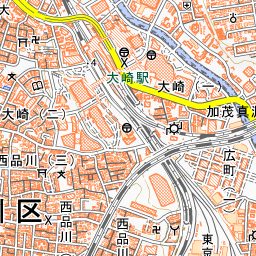
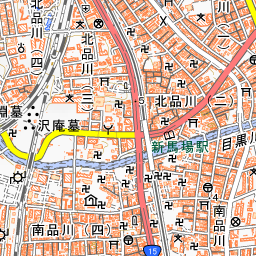
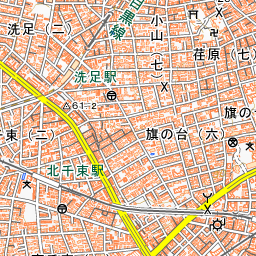
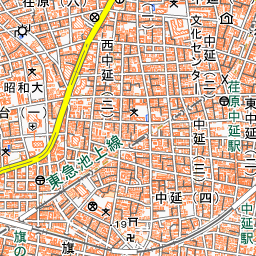
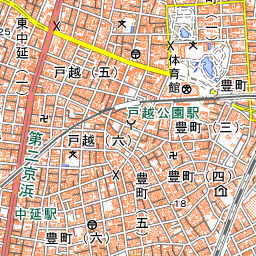
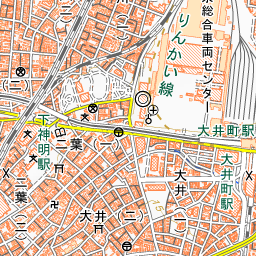
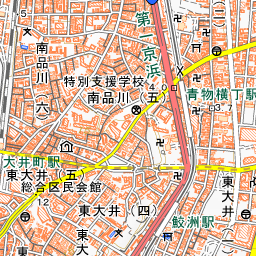
Get off at Togoshi-Ginza Station on the Tokyu Ikegami Line or Togoshi Station on the Toei Asakusa Line. The shopping street extends east to west, and as you walk westward, you will arrive at an old highway called Nakahara Kaido. It is said to be a road that existed even before medieval times, and Tokugawa Ieyasu is also said to have entered Edo via this highway. Try walking all the way from the Ginroku Shopping Street at the eastern end to Nakahara Kaido in the west while browsing the shops.
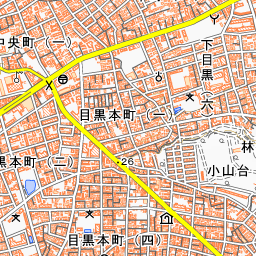
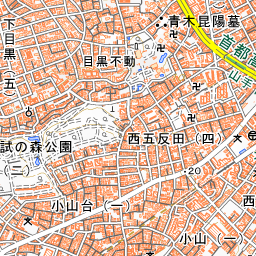
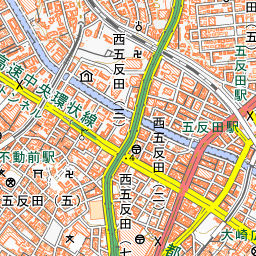
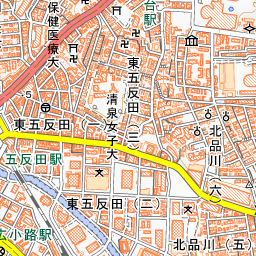
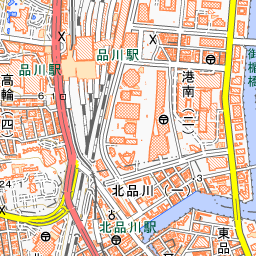
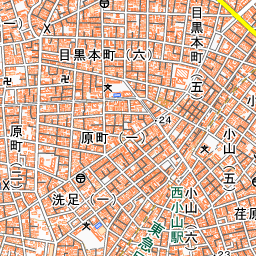
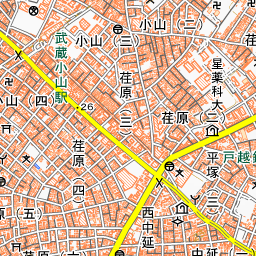
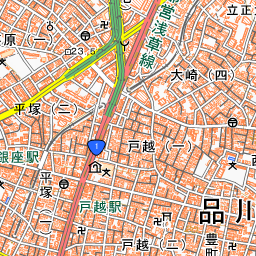
Spot location © OpenStreetMap contributors (ODbL)
Open in Google MapsGuides that include this spot (1)
Use asobot while you walk
- See where you are on the map and find spots nearby
- Listen to the guide's audio in course order, one after another (with subtitles)
- Walk to the next spot while following the map
Open on your phone
Scan to open this spot in asobot on your phone.