 ✨ AI Generated
Fushimi Momoyama Imperial Mausoleum of Emperor Meiji
Japanese: 明治天皇 伏見桃山陵
Fushimi Ward, Kyoto
This information was written by AI and may contain mistakes. Please check official sources for opening hours, fees, and other details before you go.
Found a mistake? Let us know with “✏️ Something's wrong” on this spot's screen in asobot →
🎧 Audio guide(1:02)
In short
The Fushimi Momoyama Imperial Mausoleum is the mausoleum of the 122nd emperor, Emperor Meiji. Emperor Meiji passed away on July 30, 1912 (Meiji 45), and following the emperor's wish that "the mausoleum must be built in Fushimi," the site was set in the land of Fushimi Momoyama. The mausoleum was built around where the honmaru (main bailey) of Fushimi Castle of Toyotomi Hideyoshi and Tokugawa Ieyasu once stood.
- Joen-kaho Mausoleum: The mausoleum is shaped in the joen-kaho style, with a circular tier resting atop a square tier, and the top surface of the mound is paved with sazare-ishi pebbles, which are also mentioned in Japan's national anthem
- 230-Step Stone Staircase: In front of the mausoleum is a steep stone staircase of 230 steps, and on clear days, you can look out as far as Uji and Nara from here
- Fushimi Momoyama Higashi Imperial Mausoleum of Empress Dowager Shoken: To the east, on the former site of the Nagoya-maru bailey of Fushimi Castle, is the Fushimi Momoyama Higashi Imperial Mausoleum of Emperor Meiji's empress, Empress Dowager Shoken
History and Highlights
The Fushimi Momoyama Imperial Mausoleum of Emperor Meiji is the mausoleum of the 122nd emperor, Emperor Meiji. Emperor Meiji passed away on July 30, 1912 (Meiji 45), and following the emperor's wish that "the mausoleum must be built in Fushimi," the site was set in the land of Fushimi Momoyama. Construction of the mausoleum was completed in September 1912 (Taisho 1). Following the imperial funeral ceremonies (Gotaiso no Gi) held at the Aoyama Funeral Hall in Tokyo on September 13, the burial ceremony (Maikyu no Gi) was conducted at this location.
The mausoleum was built around where the honmaru (main bailey) of Fushimi Castle of Toyotomi Hideyoshi and Tokugawa Ieyasu once stood, and the burial mound is said to correspond to the south of the castle keep. The mausoleum is shaped in the joen-kaho style, with a circular tier resting atop a square tier, and the top surface of the mound is paved with sazare-ishi (pebbles/conglomerate stone), which are also mentioned in Japan's national anthem.
Viewing and Experience Highlights
- 230-Step Stone Staircase: In front of the mausoleum is a steep stone staircase of 230 steps. On clear days, you can look out toward Uji and Nara from here.
- Fushimi Momoyama Higashi Imperial Mausoleum of Empress Dowager Shoken: To the east, on the former site of the Nagoya-maru bailey of Fushimi Castle, is the Fushimi Momoyama Higashi Imperial Mausoleum of Emperor Meiji's empress, Empress Dowager Shoken. Following the gently ascending approach path from Keihan Momoyama-minamiguchi Station leads first to the Higashi Mausoleum, and continuing upward to the west leads to the mausoleum of Emperor Meiji.
- Nogi-jinja Shrine and the Mausoleum of Emperor Kanmu: Walking down the cedar-lined approach path brings you to a crossroads; proceeding north leads to the Kashiwabara Imperial Mausoleum of Emperor Kanmu, while proceeding south leads to Nogi-jinja Shrine. Nogi-jinja Shrine is dedicated to Nogi Maresuke and his wife, who followed Emperor Meiji in death on the day of the imperial funeral, and was built beside the imperial mausoleum.
Walking Tips
It is about a 20-minute walk from either Momoyama Station on the JR Nara Line or Momoyama-minamiguchi Station on the Keihan Uji Line. The approach path from Momoyama-minamiguchi Station is a wide path surrounded by greenery. Less than 500 meters to the northwest is the mock keep of Fushimi Castle, about 700 meters to the southwest is Nogi-jinja Shrine, and descending about 1.3 kilometers to the west brings you to Gokonomiya-jinja Shrine.
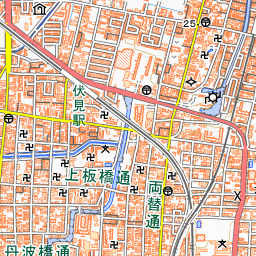
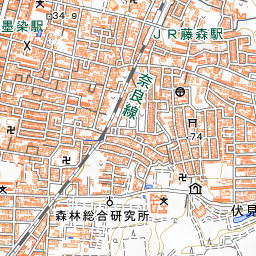
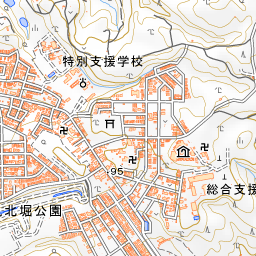
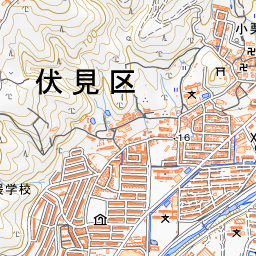
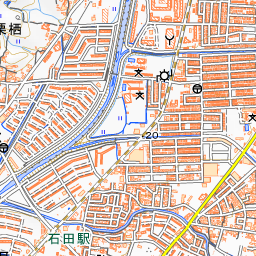
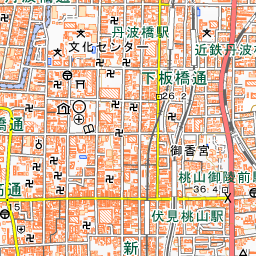
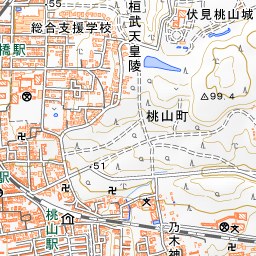
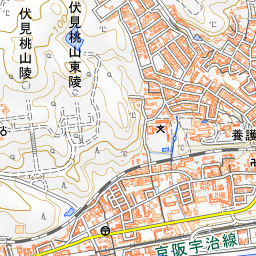
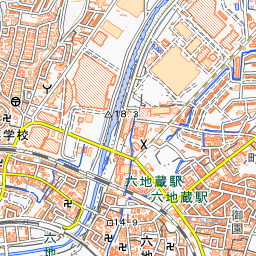

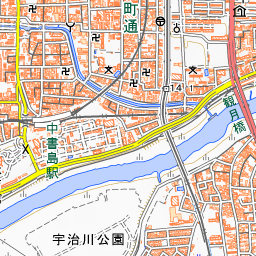
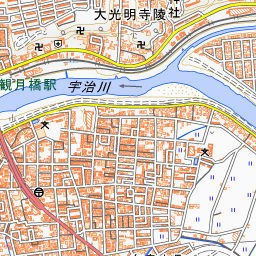
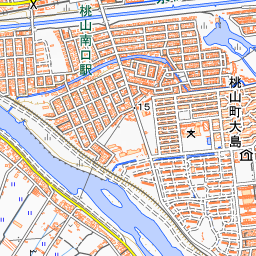
Spot location © OpenStreetMap contributors (ODbL)
Open in Google MapsUse asobot while you walk
- See where you are on the map and find spots nearby
- Listen to the guide's audio in course order, one after another (with subtitles)
- Walk to the next spot while following the map
Open on your phone
Scan to open this spot in asobot on your phone.