 ✨ AI Generated
Daisho-in Temple
Japanese: 大聖院
Hatsukaichi, Hiroshima
This information was written by AI and may contain mistakes. Please check official sources for opening hours, fees, and other details before you go.
Found a mistake? Let us know with “✏️ Something's wrong” on this spot's screen in asobot →
🎧 Audio guide(1:04)
In short
Daisho-in Temple is a head temple (daihonzan) of the Omuro branch of Shingon Buddhism, located at the foot of Mt. Misen. It is said to have been founded in 806 by Kobo Daishi Kukai, and it is considered the temple with the oldest history on Miyajima.
- Chokugando and Namikiri Fudo Myoo: The Chokugando, the main hall, enshrines Namikiri Fudo Myoo, which is said to have been made the guardian deity of Toyotomi Hideyoshi's warships
- Kannondo and Kaidan Meguri: The hall enshrines the Eleven-faced Kannon, which was originally enshrined at Itsukushima Shrine, and beneath the hall is the "Kaidan Meguri," where visitors walk through a pitch-black corridor
- Henjokutsu and Mani Wheels: The Henjokutsu contains statues representing the principal images of the 88 temples of the Shikoku Pilgrimage, and visitors can spin the mani wheels lined up along the handrails of the stairs as they ascend the stone steps
History and Highlights
Daisho-in Temple is a head temple (daihonzan) of the Omuro branch of Shingon Buddhism, located at the foot of Mt. Misen. It is said to have been founded in 806 (the first year of the Daido era) by Kobo Daishi Kukai, who performed 100 days of Gumonji ascetic training on Mt. Misen upon returning from Tang Dynasty China. It is considered the oldest temple on Miyajima.
The temple first appears in written records toward the end of the Heian period in the 12th century. The main hall is said to have been built at the request of Emperor Toba, and the temple later became a branch temple of Ninna-ji Temple in Kyoto. In records from 1180 (the fourth year of the Jisho era), when Retired Emperor Takakura visited Miyajima, it was described as a betto-ji (a temple that administers a shrine) managing Itsukushima Shrine. With the separation of Shinto and Buddhism at the beginning of the Meiji period, the temple's status changed significantly, and in 1887 (the 20th year of the Meiji period), most of its buildings were lost to a fire. Many of the present halls were rebuilt after that event.
Highlights for Viewing and Experiencing
- Chokugando and Namikiri Fudo Myoo: The Chokugando is the main hall of Daisho-in Temple, and the current building was rebuilt in 1910 (the 43rd year of the Meiji period). The principal image, Namikiri Fudo Myoo, is said to have been made the guardian deity of Toyotomi Hideyoshi's warships, to pray for safety at sea, when he sent troops to Korea.
- Kannondo and Kaidan Meguri: The Kannondo enshrines the Eleven-faced Kannon, which was originally enshrined at Itsukushima Shrine. It was moved to this temple during the separation of Shinto and Buddhism. Beneath the hall is the "Kaidan Meguri," where visitors walk through a pitch-black corridor.
- Henjokutsu and Mani Wheels: Located beneath the Daishido, the Henjokutsu contains statues representing the principal images of the 88 temples of the Shikoku Pilgrimage, with sand from each corresponding temple placed before each statue. Along the handrails of the stone stairs within the grounds, mani wheels inscribed with the Heart Sutra are lined up, allowing visitors to spin them as they ascend the stone steps.
Walking Tips
To reach Daisho-in Temple, you can head uphill toward the mountain from Daigan-ji Temple, located near the exit of Itsukushima Shrine. Because the temple grounds feature many stone steps with halls situated progressively higher up, it is best to tour the area with plenty of time to spare. From Daisho-in Temple, the Daisho-in Course hiking trail leads to the summit of Mt. Misen, taking approximately 1.5 hours to reach the top. For highlights of Mt. Misen, please refer to the "Mt. Misen" spot guide.


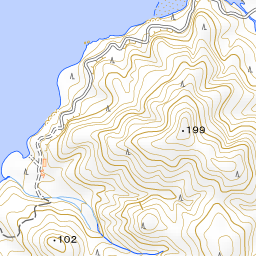


Spot location © OpenStreetMap contributors (ODbL)
Open in Google MapsGuides that include this spot (1)
Use asobot while you walk
- See where you are on the map and find spots nearby
- Listen to the guide's audio in course order, one after another (with subtitles)
- Walk to the next spot while following the map
Open on your phone
Scan to open this spot in asobot on your phone.