 ✨ AI Generated
Inokashira Onshi Park West Garden
Japanese: 井の頭恩賜公園 西園
Mitaka, Tokyo
This information was written by AI and may contain mistakes. Please check official sources for opening hours, fees, and other details before you go.
Found a mistake? Let us know with “✏️ Something's wrong” on this spot's screen in asobot →
🎧 Audio guide(0:52)
In short
Inokashira Onshi Park West Garden is one of the four areas of Inokashira Onshi Park. Located in Mitaka City, it is the area where sports facilities are concentrated. The Ghibli Museum, Mitaka is also located within this West Garden.
- Japan's First Imperial Gift Park: Created on Imperial Household land granted to the City of Tokyo, Inokashira Onshi Park opened in 1917 (Taisho 6) as Japan's first imperial gift park.
- Ghibli Museum, Mitaka: A museum opened in 2001, built on an expanded site of the West Garden.
- A Forest of Sports and Exchange: It features a track and field stadium, tennis courts, and a baseball field. The Tokyo Metropolitan Government's development plan sets the West Garden's basic concept as "A forest of sports and exchange space that fosters health and culture."
History and Highlights
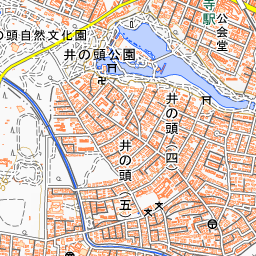
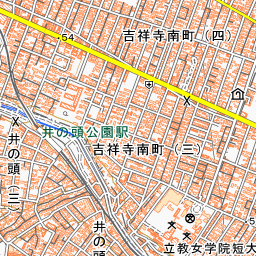
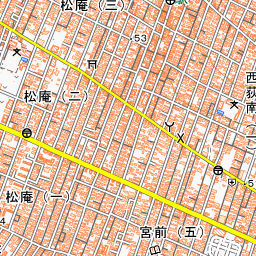
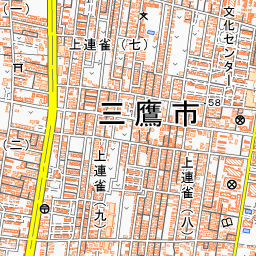
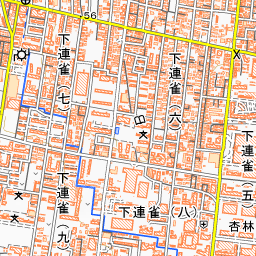
Inokashira Onshi Park West Garden is an area of Inokashira Onshi Park straddling Shimorenjaku 1-chome and Mure 4-chome in Mitaka City. The park is divided into four areas: the surroundings of Inokashira Pond, Gotenyama with its mixed forest, the West Garden with sports facilities, and the Second Park.
Inokashira Pond had been a well-known scenic spot since the Edo period as a water source for Edo. Entering the Meiji period, the area became an imperial estate forest (Teishitsu Goryorin), meaning a forest belonging to the Imperial Household. In 1913 (Taisho 2), this imperial land was granted to the City of Tokyo, and on May 1, 1917 (Taisho 6), it opened as Japan's first imperial gift park and first suburban park. It is said that around the time of its opening, it was covered in dense woods as a remnant of the imperial estate.
The park subsequently expanded its grounds. In 1974 (Showa 49), a part of the West Garden opened as a recreation zone. Then, on October 1, 2001, the Ghibli Museum, Mitaka opened on an expanded site of the West Garden.
The Tokyo Metropolitan Government has designated the basic concept of the West Garden's development plan as "A forest of sports and exchange space that fosters health and culture." It is a plan to create a place where sports and cultural activities can take place while treasuring the Musashino landscape and protecting mixed trees and Japanese red pines.
Highlights for Viewing and Experiencing
- Sports Facilities: The West Garden is home to a stadium, tennis courts, and a baseball field. The track and field stadium reopened after renovation in 2023.
- Ghibli Museum, Mitaka: A museum located within the West Garden, requiring advance reservations with designated dates and times for admission. For information about the building and exhibits, please refer to "Ghibli Museum, Mitaka."
- Mixed Woods and Kotori-no-Mori (Little Bird Forest): Under the development plan, the mixed forest at the entrance to the West Garden is to be preserved and nurtured as an original landscape of Musashino. The existing "Kotori-no-Mori" is also planned to be preserved as a bird sanctuary for wild birds.
Tips for Strolling
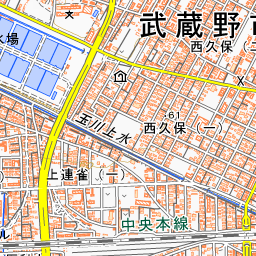
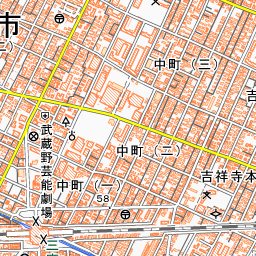
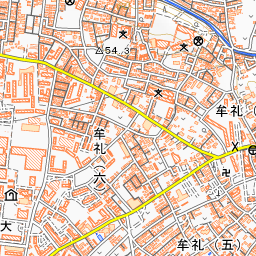
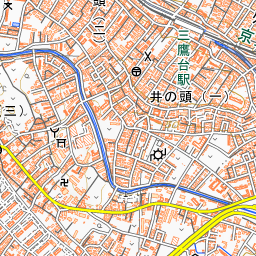
The Ghibli Museum, Mitaka is about 290 meters south of here. It is about 230 meters west-northwest to the Kaze-no-Sanpomichi Path along the Tamagawa Aqueduct, and about 260 meters west-northwest to the Mitaka City Yamamoto Yuzo Memorial Museum. Going about 490 meters east-northeast, there is the branch of Inokashira Park Zoo.
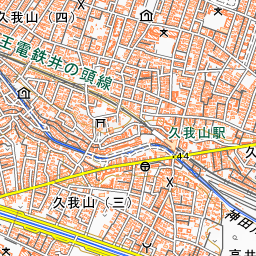
You can walk to the Ghibli Museum and the West Garden from the South Exit of JR Mitaka Station along the Kaze-no-Sanpomichi Path beside the Tamagawa Aqueduct. Route buses also run from the South Exit of Kichijoji Station, and the closest bus stop to the museum is "Mansuke Bridge."
Guides that include this spot (1)
Use asobot while you walk
- See where you are on the map and find spots nearby
- Listen to the guide's audio in course order, one after another (with subtitles)
- Walk to the next spot while following the map
Open on your phone
Scan to open this spot in asobot on your phone.