 ✨ AI Generated
Itabashi City Tropical Environment Botanical Museum
Japanese: 板橋区立熱帯環境植物館
Itabashi City, Tokyo
This information was written by AI and may contain mistakes. Please check official sources for opening hours, fees, and other details before you go.
Found a mistake? Let us know with “✏️ Something's wrong” on this spot's screen in asobot →
🎧 Audio guide(1:03)
In short
Located in Takashimadaira, this municipal botanical museum uses surplus heat from the neighboring Itabashi Incineration Plant to recreate the rainforests of Southeast Asia in a three-dimensional layout. Touring the greenhouse, the cold room, and the basement mini-aquarium allows visitors to trace tropical environments extending from the sea up to alpine zones. Its nickname is "Green Dome Nettaikan."
- Atrium Rainforest: Approximately 700 species of plants thrive in an open atrium extending from the first basement floor to the second floor above ground.
- Four Vegetation Zones: Visitors progress from mangrove intertidal zones to tropical lowland forests, a village landscape featuring a Malay house, and a cloud forest in the cold room.
- Basement Mini-Aquarium: Home to saltwater, brackish, and freshwater creatures, where one of the world's largest freshwater stingrays can also be observed.
History and Highlights
The Itabashi City Tropical Environment Botanical Museum is a museum-type botanical garden located in Takashimadaira. It is known by the nickname "Green Dome Nettaikan." It opened in September 1994 as an energy-saving facility utilizing surplus heat from the Itabashi Incineration Plant, alongside the adjacent Takashimadaira Heated Pool and Takashimadaira Fureai-kan.
The greenhouse recreates the Southeast Asian rainforest—one of the world's three major tropical rainforests—which has close ties with Japan. On September 21, 1994, the museum signed a "Joint Statement on Friendly Relations" with the Penang Botanic Gardens in the State of Penang, Malaysia.
The entire facility spans about 3,000 square meters, with a planted area of 1,000 square meters. An expansive atrium stretches from the first basement level to the second floor above ground, unfolding a tropical rainforest across a space roughly 20 meters high. The museum exhibits approximately 700 plant species and about 150 species of fish and other aquatic life.
Viewing and Experience Highlights
- Vegetation Zones from Sea to Mountain: The greenhouse is divided into three zones: intertidal vegetation, tropical lowland forest, and village landscape. The cloud forest, found in tropical alpine zones, is recreated in the cold room. In the intertidal zone, mangroves and nipa palms can be seen, while the tropical lowland forest features Dipterocarpaceae trees (the source of lauan wood) and Ficus superba var. japonica (known as the "strangler tree"). As visitors ascend the spiral walkway, they can observe plants as if climbing from the seaside up into alpine elevations.
- Malay House and the Cold Room: In the village landscape zone stands a traditional Malay house thatched with nipa palm leaves, accompanied by tropical fruits and tubers. In the cold room's cloud forest zone, tropical alpine plants such as rhododendrons, orchids, and pitcher plants are displayed. The carnivorous plant corner featuring pitcher plants is also popular.
- Basement Mini-Aquarium: Marine, brackish, and freshwater creatures are on exhibit. A popular favorite of the museum is "Chao," a giant freshwater stingray (Himantura chaophraya), which is among the largest in the world. Visitors can observe its impressive 2.7-meter-long body through viewing windows.
Tips for Exploring
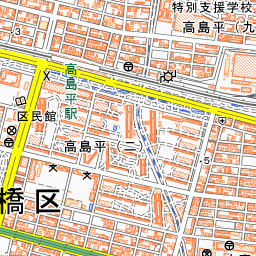
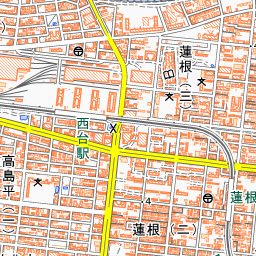
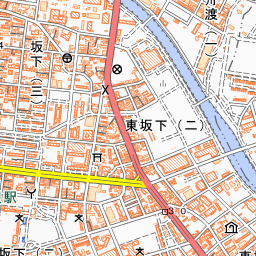
The museum is about a 7-minute walk from Takashimadaira Station on the Toei Mita Line. Walking north from the station brings the modern exterior of the botanical museum into view.
Upon entering, head down to the basement first to see the giant stingray in the mini-aquarium, then ascend along the greenhouse's spiral walkway to follow the tropical environments in sequence from sea to mountain. Reaching the cloud forest in the cold room gives visitors the sensation of having climbed through the jungle from lowlands to the alpine zone.
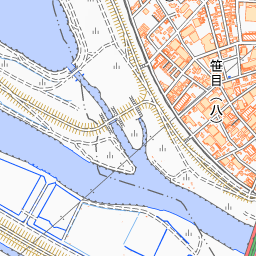
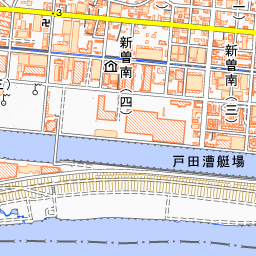
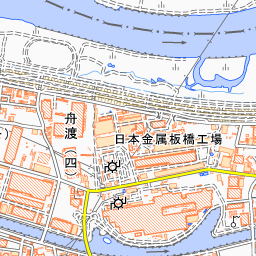
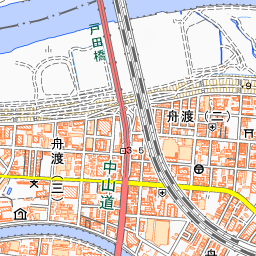
After leaving the botanical museum, walking north and climbing the Arakawa River embankment offers a panoramic view opening up before you. Across the river lies Toda City, Saitama Prefecture.

Use asobot while you walk
- See where you are on the map and find spots nearby
- Listen to the guide's audio in course order, one after another (with subtitles)
- Walk to the next spot while following the map
Open on your phone
Scan to open this spot in asobot on your phone.