 ✨ AI Generated
Nogi-jinja Shrine
Japanese: 乃木神社
Fushimi Ward, Kyoto
This information was written by AI and may contain mistakes. Please check official sources for opening hours, fees, and other details before you go.
Found a mistake? Let us know with “✏️ Something's wrong” on this spot's screen in asobot →
🎧 Audio guide(0:57)
In short
A shrine dedicated to Nogi Maresuke, an army general of the Meiji period, and his wife, Shizuko. Murano Sanjin, who learned that the couple had committed ritual suicide on the day of Emperor Meiji's imperial funeral, resolved to enshrine them beside the Fushimi Momoyama Imperial Mausoleum, and through the efforts of Murano and those who shared his aspiration, the shrine was founded in September 1916 (Taisho 5). The deities are worshipped for victory, lasting military fortune, and success in academics as gods of both the literary and martial arts, as well as gods of marital harmony.
- Shinmon Gate and Shrine Buildings: The Shinmon gate was built using cypress from Alishan in Taiwan, a place with deep ties to General Nogi, and the inner side of its doors consists of single planks of 3,000-year-old Formosan red cypress. In front of the worship hall hangs an ema tablet depicting the general's beloved horse galloping, carved on a single zelkova plank by the sculptor Goto Sadayuki
- Statues of Beloved Horses and Memorial Museum: The statues of the white horse Sugo, a gift from General Stoessel of Russia, and its offspring Aratamago stand side by side. The memorial museum is a Chinese dwelling that General Nogi used for about a year as the headquarters of the Third Army during the Siege of Port Arthur in the Russo-Japanese War, moved here at the time of the shrine's founding
- Chofu Nogi Residence and Treasure Museum: The house where the Nogi family lived in Chofu, Yamaguchi Prefecture, has been reconstructed, complete with the rice-pounding shed where the young Nogi read books while pounding rice. The treasure museum houses more than a hundred items, including handwritten letters and personal belongings
History and Highlights
Nogi-jinja Shrine is dedicated to General Nogi Maresuke, an army general of the Meiji period, and his wife, Shizuko. On the day of Emperor Meiji's imperial funeral, the couple committed ritual suicide at their residence in Akasaka, Tokyo, following the Emperor in death. Murano Sanjin, who was attending the burial ceremony (Maikyu no Gi) at the Fushimi Momoyama Imperial Mausoleum, was deeply moved by this news and resolved to enshrine the couple beside the imperial mausoleum. Through the efforts of Murano and those who shared his aspiration, the shrine was founded in September 1916 (Taisho 5). Although it was the earliest planned among all Nogi-jinja shrines across Japan, it took four years to secure the land and complete construction, making it the second to be founded, following the Nogi-jinja Shrine in Nasu. Shizuko was initially enshrined in an auxiliary shrine beside the main hall, and later enshrined together in the main hall.
The shrine buildings stand to the south of the Fushimi Momoyama Imperial Mausoleum and face north, as if in attendance on it. The deities are worshipped for victory, lasting military fortune, and success in academics as gods of both the literary and martial arts, as well as gods of marital harmony because a married couple is enshrined here. During the time when Fushimi Castle stood, this area was said to have been the residence of Itakura Suonokami, leaving his name in the local place name "Itakura Suo."
Highlights for Viewing and Experiencing
- Shinmon Gate and Shrine Buildings: The Shinmon gate was built using cypress from Alishan in Taiwan, a place with deep ties to General Nogi, and the inner side of its doors consists of single planks of 3,000-year-old Formosan red cypress. The main hall is built in the Kasuga-zukuri style, identical to that of Minatogawa-jinja Shrine. In front of the worship hall hangs an ema tablet depicting the general's beloved horse galloping, carved on a single zelkova plank by the sculptor Goto Sadayuki.
- Statues of Beloved Horses and Memorial Museum: At the shrine entrance stand the statues of the white horse Sugo, a gift from General Stoessel of Russia, and its offspring Aratamago. The memorial museum is a relocated Chinese dwelling that General Nogi used for about a year as the headquarters of the Third Army during the Siege of Port Arthur in the Russo-Japanese War, moved here at the time of the shrine's founding.
- Chofu Nogi Residence and Treasure Museum: The house where the Nogi family lived in Chofu, Yamaguchi Prefecture, has been reconstructed, complete with the rice-pounding shed where the young Nogi read books while pounding rice. The storehouse-style treasure museum, built at the same time as the shrine's founding, houses more than a hundred items, including handwritten letters and personal belongings.
Tips for Exploring
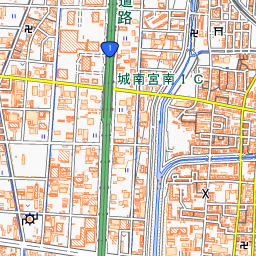
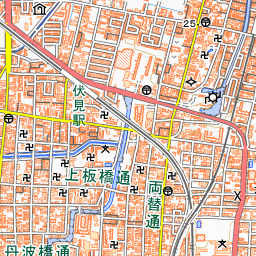
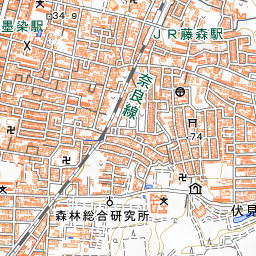
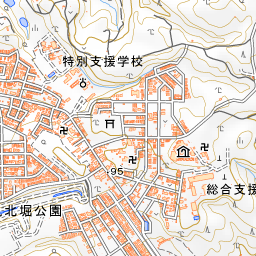
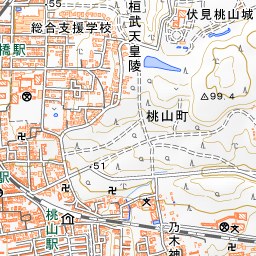
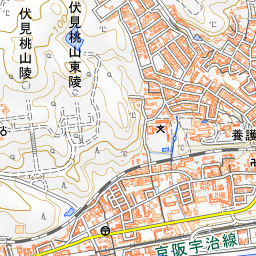
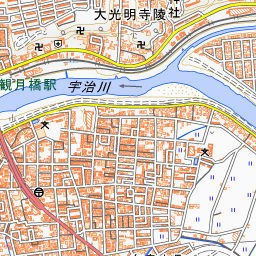
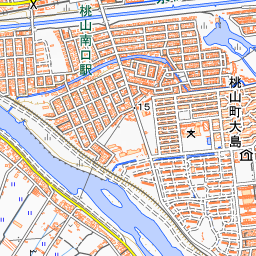
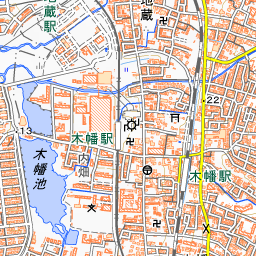
The shrine is a 10-minute walk from Momoyama Station on the JR Nara Line and about 16 minutes from Momoyama-minamiguchi Station on the Keihan Uji Line. About 700 meters northeast on a hill lies the Fushimi Momoyama Imperial Mausoleum of Emperor Meiji, and about 800 meters north is the mock castle keep of Fushimi Castle. Descending about 850 meters to the west brings you to Gokonomiya-jinja Shrine.
Use asobot while you walk
- See where you are on the map and find spots nearby
- Listen to the guide's audio in course order, one after another (with subtitles)
- Walk to the next spot while following the map
Open on your phone
Scan to open this spot in asobot on your phone.