 ✨ AI Generated
Sera Kogen Farm
Japanese: 世羅高原農場
Sera Town, Hiroshima
This information was written by AI and may contain mistakes. Please check official sources for opening hours, fees, and other details before you go.
Found a mistake? Let us know with “✏️ Something's wrong” on this spot's screen in asobot →
🎧 Audio guide(0:55)
In short
Sera Kogen Farm is a sightseeing flower farm in Sera-cho, and has the longest history among the four sightseeing flower farms in the Sera Plateau area. Characterized by expansive plantings and colorful flower fields, seasonal blooms color the Sera Plateau, with weeping cherry blossoms and tulips in spring, sunflowers in summer, and dahlias and garden mums in autumn.
- Tulip patterns varying by field: 750,000 tulip bulbs bloom across a field of 65,000 square meters, with the breathtaking "flower art" using flowers to depict patterns being a particular standout
- Fields of sunflowers: In summer, about 1.1 million sunflowers carpet an entire hill larger than Mazda Stadium in yellow
- Weeping cherry blossoms in spring: Blooming across a hill of about 30,000 square meters, they vividly adorn the spring plateau along with the yellow of canola flowers
History and Highlights
Sera Kogen Farm is a sightseeing flower farm located in Sera-cho. Sera-cho is in the east-central part of Hiroshima Prefecture, sprawling across a plateau called the "Sera Plateau" at an elevation of 350 to 450 meters. With a large temperature difference between day and night, it is a major producer of agricultural goods, and large-scale sightseeing flower farms are dotted around the town.
In the Sera Plateau area, there are four sightseeing flower farms: Sera Kogen Farm, Flower Village Kamu-no-Sato, Sora no Hanabatake Sera Kogen Hana no Mori, and Sera Fuji-en, welcoming 300,000 visitors annually. Sera Kogen Farm has the longest history among them. Characterized by expansive plantings and colorful flower fields, seasonal blooms color the Sera Plateau throughout the year, with weeping cherry blossoms and tulips in spring, sunflowers in summer, and dahlias and garden mums in autumn.
In spring, weeping cherry blossoms bloom across a hill of about 30,000 square meters, vividly adorning the spring plateau along with the yellow of canola flowers. Following that in the tulip season, 750,000 tulip bulbs bloom across an expansive field of 65,000 square meters.
Viewing and Experience Highlights
- Tulip patterns varying by field: The tulips are planted with different designs in each field, with the breathtaking "flower art" using flowers to depict patterns being a particular standout.
- Fields of sunflowers: In summer, about 1.1 million sunflowers carpet an entire hill larger than Mazda Stadium in yellow. In the 65,000-square-meter field, various varieties bloom, ranging from well-known sunflowers to rare types.
- Autumn dahlias and garden mums: In autumn, fields of diverse dahlias and aster-family garden mums spread out, creating a multi-colored floral garden.
Tips for Exploring
By car, it is about 14 kilometers and around 18 minutes from the Sera Interchange on the Chugoku Yamanami Kaido. On weekends and national holidays during the flower seasons, a direct bus connecting the flower farms of Sera-cho, the "Sera Noen Hana Meguri Ticket," operates from Hiroshima Bus Center. Outside these periods and on weekdays, there are no direct buses, so visitors use taxis or rental cars from the nearest bus stop or station. Nearby roads can become congested during peak flower blooming periods and long holiday stretches. There are also eateries and souvenir shops within the farm.
From the farm, it takes about 25 minutes by car to Flower Village Kamu-no-Sato in the same Sera-cho, and about 10 minutes by car to Sera Fuji-en. Heading northeast for about 8 kilometers brings you to Joge-cho in Fuchu City, where streetscapes with white plaster walls remain.
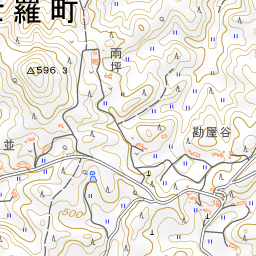
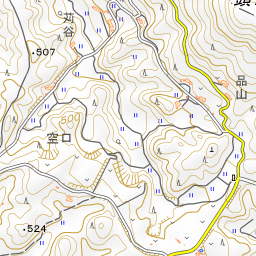
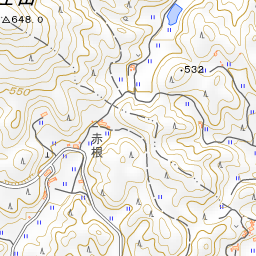
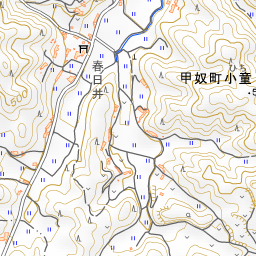
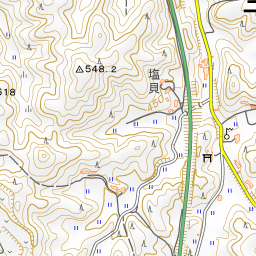
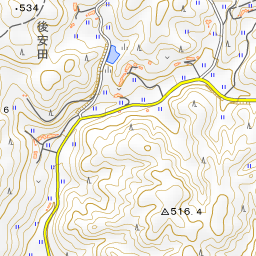
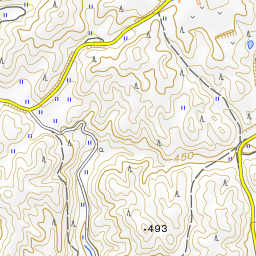
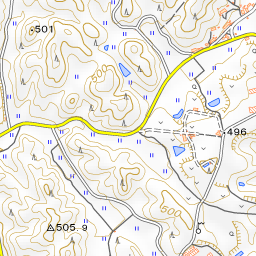
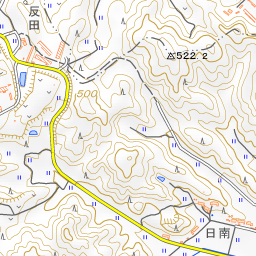
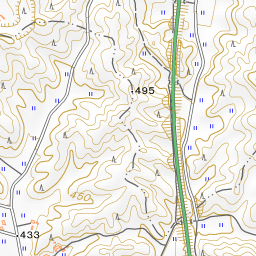
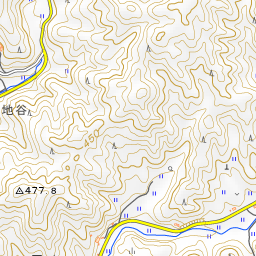
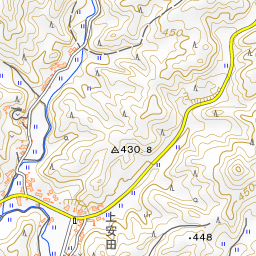
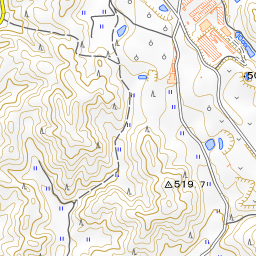
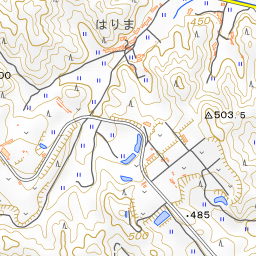
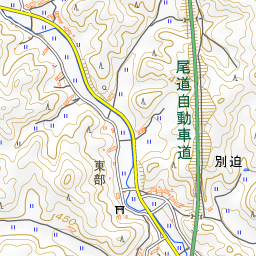
Spot location © OpenStreetMap contributors (ODbL)
Open in Google MapsGuides that include this spot (1)
Use asobot while you walk
- See where you are on the map and find spots nearby
- Listen to the guide's audio in course order, one after another (with subtitles)
- Walk to the next spot while following the map
Open on your phone
Scan to open this spot in asobot on your phone.