 ✨ AI Generated
Tokyo Daijingu Shrine
Japanese: 東京大神宮
Chiyoda City, Tokyo
This information was written by AI and may contain mistakes. Please check official sources for opening hours, fees, and other details before you go.
Found a mistake? Let us know with “✏️ Something's wrong” on this spot's screen in asobot →
🎧 Audio guide(1:02)
In short
Tokyo Daijingu Shrine is affectionately known as "Tokyo's Ise-sama." It was founded in 1880 (the 13th year of the Meiji period) as a yohai-den (hall for worshipping from afar) to allow people to pray to Ise Jingu Shrine from Tokyo. It is the shrine that began the Shinto wedding ceremonies that are widely practiced today, and is also known as a shrine for en-musubi (matchmaking and bringing people together).
- Deities of Ise Jingu Shrine: It enshrines Amaterasu Sume Okami and Toyouke no Okami, the principal deities of Ise Jingu Shrine's Naikū (Inner Shrine) and Gekū (Outer Shrine).
- Origin of Shinto Weddings: To commemorate the wedding rite of the Crown Prince in 1900, the shrine began offering Shinto wedding ceremonies for the general public.
- Amulets for Matchmaking: The En-musubi Suzuran Mamori, shaped like the pure white bell blossoms of lily of the valley, is particularly popular among the matchmaking amulets.
History and Highlights
Tokyo Daijingu Shrine was founded in 1880 (Meiji 13) as a yohai-den (hall for worshipping from afar) in Tokyo for Ise Jingu Shrine. During the Edo period, making a pilgrimage to Ise Jingu Shrine was a lifelong dream for people. Because it was originally located in Hibiya, it was called "Hibiya Daijingu." After the Great Kanto Earthquake, it was moved to its current location in 1928 (Showa 3) and called "Iidabashi Daijingu," and after the war it was renamed to its present name.
It is called "Tokyo's Ise-sama" because it enshrines Amaterasu Sume Okami and Toyouke no Okami—the principal deities of the Inner and Outer Shrines of Ise Jingu—as well as Yamato Hime no Mikoto. The Zoka no Sanshin (three deities of creation), who govern the "musubi" (binding and creating) work of generating and nurturing all things in heaven and earth, are also enshrined together here, making it known as a shrine that brings blessings for matchmaking.
Today's widely practiced Shinto wedding ceremonies were originated by this shrine. In 1900 (Meiji 33), the wedding ceremony of the then Crown Prince (later Emperor Taisho) was held before the altar at the Kashikodokoro within the Imperial Palace. To commemorate this event, the shrine began offering Shinto wedding ceremonies for the general public. According to the shrine, because weddings had previously been held at home as a general rule, this was a groundbreaking event that drew considerable attention. The atmosphere of a wedding at Hibiya Daijingu is also depicted in the novel Kojin by Natsume Soseki.
Highlights for Viewing and Experiencing
- Shinto Wedding Ceremonies: Led by Shinto priests and miko (shrine maidens), the bride, groom, and their families walk through the shrine grounds toward the altar. During the ceremony, four miko holding chrysanthemum flowers perform a celebratory dance.
- Matchmaking Amulets and Omikuji: The En-musubi Suzuran Mamori, modeled after the pure white blossoms of the lily of the valley, is particularly popular among the matchmaking amulets. There is also a Koi-mikuji (love fortune slip) that comes with a washi paper doll, each featuring a unique facial expression and kimono pattern.
- Iitomi Inari-jinja Shrine: Located east of the shinmon gate, this is an auxiliary shrine that has been enshrined since the days of Hibiya Daijingu. It is revered as a deity of food, clothing, shelter, and thriving business. Because Ichikawa Danjuro IX worshipped here devoutly, it also shares deep ties with the performing arts.
Tips for Exploring
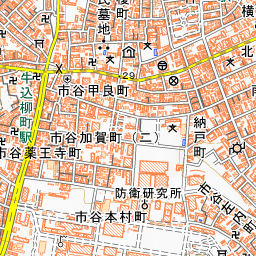
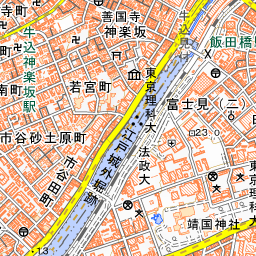
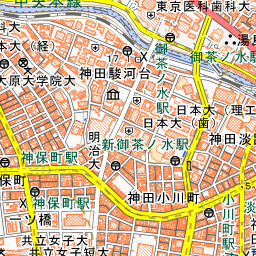
The nearest station is Iidabashi Station; the shrine is about a 5-minute walk from any of its train lines. From the JR West Exit, turn left, cross the Ushigome-bashi Bridge, and walk straight. Turn left at the second intersection, follow the road, and Tokyo Daijingu Shrine will come into view. As there is no dedicated parking lot, visitors are advised to arrive by train.
The etiquette for praying is two bows, two claps, and one bow. Bend at the waist to a 90-degree angle to make a deep bow, clap your hands twice, and offer your gratitude and prayers.
Yasukuni-jinja Shrine is located approximately 720 meters to the south-southwest.
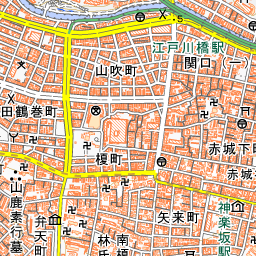
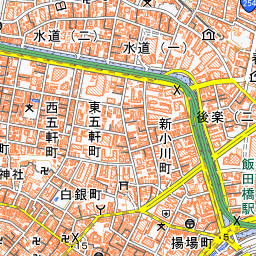
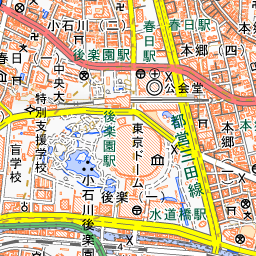
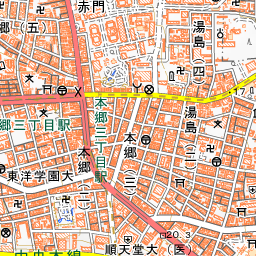


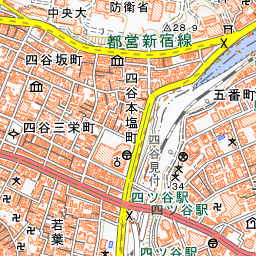
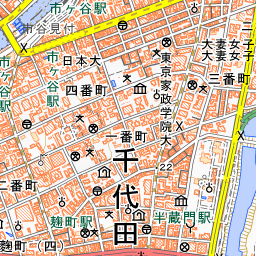
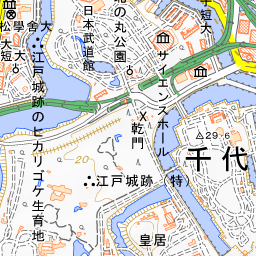
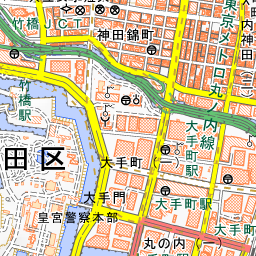
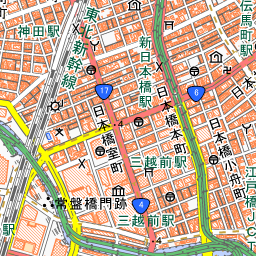
Spot location © OpenStreetMap contributors (ODbL)
Open in Google MapsGuides that include this spot (1)
Use asobot while you walk
- See where you are on the map and find spots nearby
- Listen to the guide's audio in course order, one after another (with subtitles)
- Walk to the next spot while following the map
Open on your phone
Scan to open this spot in asobot on your phone.