 ✨ AI Generated
Hiroshima Museum of Art
Japanese: ひろしま美術館
Naka Ward, Hiroshima
This information was written by AI and may contain mistakes. Please check official sources for opening hours, fees, and other details before you go.
Found a mistake? Let us know with “✏️ Something's wrong” on this spot's screen in asobot →
🎧 Audio guide(1:06)
In short
The Hiroshima Museum of Art was established by the Bank of Hiroshima as a commemorative project marking its 100th anniversary, to celebrate its history alongside the local community, and opened in 1978. Built under the theme "For Love and Peace of Mind," it stands in a corner of Chuo Park near Hiroshima Castle, and its collection features modern French paintings centered on the Impressionists, as well as modern Japanese paintings.
- A building inspired by two World Heritage Sites: The exhibition room of the main building was inspired by the Atomic Bomb Dome, and the corridor surrounding the main building by the corridors of Itsukushima Shrine
- Van Gogh's "Daubigny's Garden": Painted by Van Gogh in 1890, during the final period of his life. In recent years, it is reportedly kept on permanent display without being loaned out of the museum
- Modern Japanese paintings: The museum also houses Western-style paintings by artists such as Kuroda Seiki, Fujishima Takeji, Kishida Ryusei, and Saeki Yuzo, and Japanese-style paintings by artists including Yokoyama Taikan, Uemura Shoen, and Higashiyama Kaii
History and Highlights
The Hiroshima Museum of Art opened on November 3, 1978. It was established by the Bank of Hiroshima as a commemorative project marking its 100th anniversary to celebrate its history alongside the local community. Built under the theme "For Love and Peace of Mind," it stands in a corner of Chuo Park near Hiroshima Castle.
The collection features modern French paintings centered on the Impressionists, as well as modern Japanese Western-style paintings (Yoga) and Japanese-style paintings (Nihonga). The museum houses works that trace the history of modern French art, from Delacroix, Millet, Monet, Renoir, Cézanne, Van Gogh, and Gauguin to Matisse, Picasso, Chagall, and Modigliani. The main building permanently displays approximately 80 works, focusing primarily on modern French art.
Points for Viewing and Experiencing
- A Building Inspired by Two World Heritage Sites: The exhibition room of the main building is a round, dome-shaped space inspired by the Atomic Bomb Dome. The corridor surrounding the main building was designed with inspiration from the corridors of Itsukushima Shrine. Hiroshima's two representative World Heritage sites serve as motifs for the architecture.
- Van Gogh's "Daubigny's Garden": This work was painted in 1890 during the final period of Van Gogh's life in Auvers-sur-Oise, where he passed away. It depicts the garden of the home of Daubigny, a landscape painter whom Van Gogh admired. Many visitors come specifically to view this painting, and in recent years, it is reportedly kept on permanent display without being loaned out of the museum.
- Modern Japanese Paintings: The museum also houses Western-style paintings by artists such as Kuroda Seiki, Fujishima Takeji, Kishida Ryusei, and Saeki Yuzo, as well as Japanese-style paintings by artists including Yokoyama Taikan, Uemura Shoen, and Higashiyama Kaii. Alongside Western paintings, visitors can also experience modern Japanese paintings.
Tips for Exploring
The museum is located within walking distance of Hiroshima Castle, the Atomic Bomb Dome, and Shukkeien Garden, making it easy to visit while strolling through the city. The premises also feature a café and a museum shop where you can take a break after viewing the art. Detailed information about Hiroshima Castle and Shukkeien Garden is provided in their respective guides.
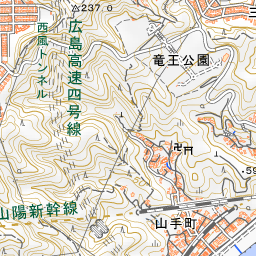
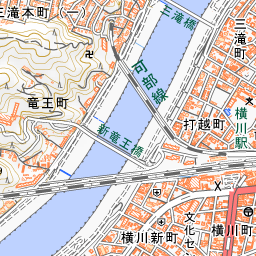
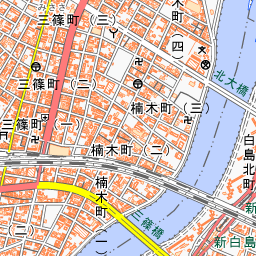
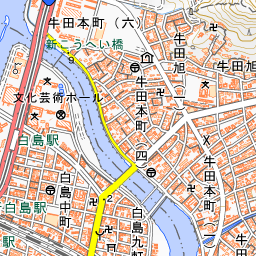

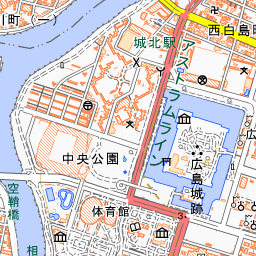
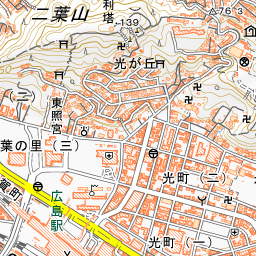
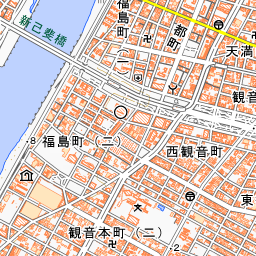
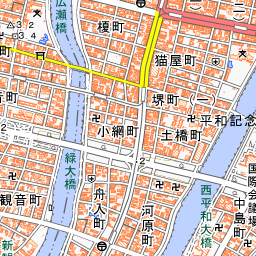
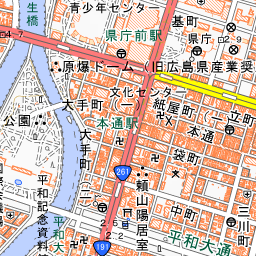
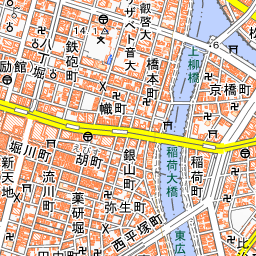
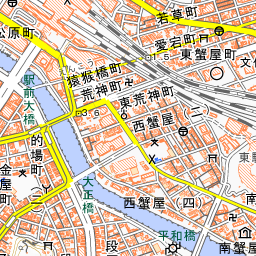
Spot location © OpenStreetMap contributors (ODbL)
Open in Google MapsGuides that include this spot (1)
Use asobot while you walk
- See where you are on the map and find spots nearby
- Listen to the guide's audio in course order, one after another (with subtitles)
- Walk to the next spot while following the map
Open on your phone
Scan to open this spot in asobot on your phone.