 ✨ AI Generated
Kitayama Park
Japanese: 北山公園
Higashimurayama, Tokyo
This information was written by AI and may contain mistakes. Please check official sources for opening hours, fees, and other details before you go.
Found a mistake? Let us know with “✏️ Something's wrong” on this spot's screen in asobot →
🎧 Audio guide(1:05)
In short
Set against the backdrop of the Sayama Hills, Kitayama Park is a park in Higashimurayama City selected as one of the New Hundred Views of Tokyo. It is famous for its Japanese irises (hanashobu), with around 600 varieties, 8,000 clumps, and 100,000 blooms flowering in early summer. Utilizing the layout of former rice paddies, iris fields (shobuda) and ponds were developed. The Higashimurayama Iris Festival is held to coincide with the blooming season.
- Iris Fields and Wooden Walkways: Wooden walkways and park paths weave through the iris fields and rice paddies.
- Kitayama Otome: A variety of Japanese iris that can only be seen here, regarded as the symbol of the iris garden.
- Satoyama Scenery: Visitors can enjoy the traditional satoyama countryside scenery of rolling hills and paddies along with the irises.
History and Highlights
Kitayama Park is a park located in Noguchi-cho, Higashimurayama City. Backed by the Sayama Hills, this nature-rich park was selected as one of the New Hundred Views of Tokyo in 1982. Originally, rice paddies spread across the valley (yato) terrain where the park now sits. Taking advantage of the layout of those paddies, iris fields and ponds were created, and the grounds began being used as a park in fiscal year 1984.
About 8,000 clumps of Japanese irises were planted in 1977. While there were about 150 varieties in 1989, this increased to around 600 varieties by 2018. Today, it is introduced as having approximately 600 varieties, 8,000 clumps, and 100,000 blooms. The iris fields cover an area of about 6,300 square meters. In 1989, the 1st Iris Festival was held. Today's "Higashimurayama Iris Festival," organized by the Iris Festival Executive Committee, is a major event in Higashimurayama City.
Among the Japanese irises, the one considered the symbol of the iris garden is the "Kitayama Otome." It is an iris that can only be seen here, and its name was chosen from as many as 150 submissions.
In addition to irises, there are flowers for every season. Near the railway tracks on the north side of the park, there is a weeping cherry tree called the "Miharu no Sakura," which was donated by a citizen. In autumn, red spider lilies bloom, cared for by volunteers of the "Manjushage no Kai."
Sights and Experiences
- Iris Fields and Wooden Walkways: Wooden walkways and paths wind through the iris fields and rice paddies. A defining feature of this park is the chance to enjoy the satoyama landscape of hills and paddies alongside the blooming irises.
- Wildlife in the Ponds and Streams: Ponds and small streams run through the grounds, where many wild plants grow naturally. Wild birds such as kingfishers gather around the ponds and their surroundings, where they can be seen resting their wings.
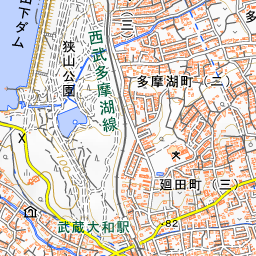
- Flowers and Trains Along the Tracks: The Seibuen Line runs between the park and Hachikokuyama Ryokuchi Park. Along the railway tracks, seasonal flowering trees and plants such as cherry blossoms, Japanese plums, and red spider lilies are planted. The view with passing trains is also counted among the park's scenic attractions.
Tips for Visitors
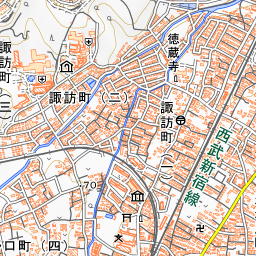
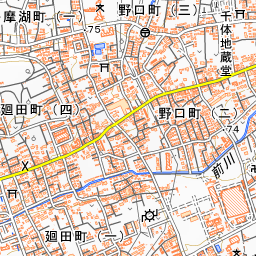
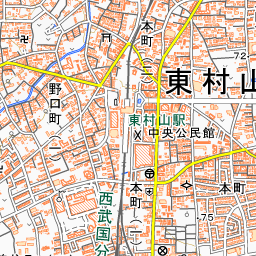
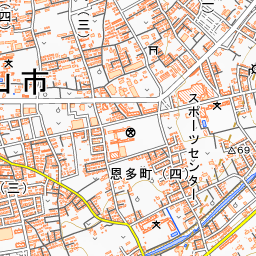
It is about a 20-minute walk from Higashimurayama Station on the Seibu Shinjuku Line, and about a 15-minute walk from Seibuen Station on the Seibuen Line. There is no parking lot. The irises bloom in early summer, and the Iris Festival is held to coincide with the flowering period. The north side of the park borders Hachikokuyama Ryokuchi Park. Higashimurayama City's walking course "Hana to Midori no Sanpomichi" (Flower and Green Walking Path) proceeds from Hachikokuyama Ryokuchi Park through Hachikokuyama Taiken no Sato into Kitayama Park, and then heads toward Shofuku-ji Temple. Shofuku-ji Temple is located about 280 meters south of this spot.
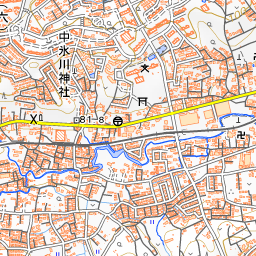
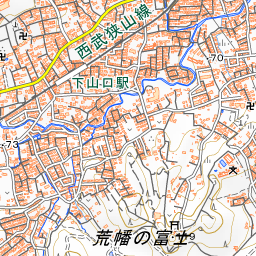
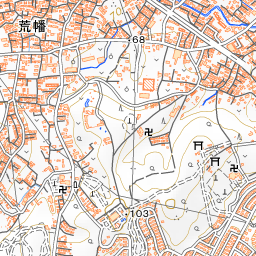
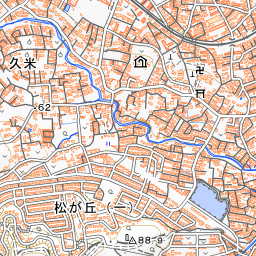
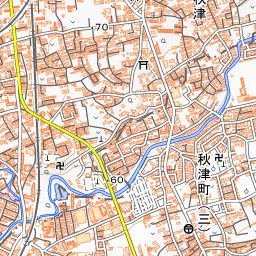
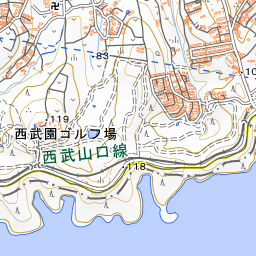
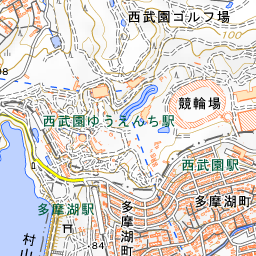
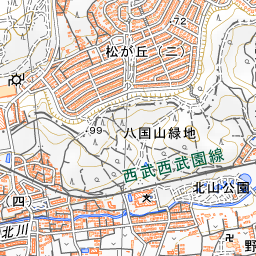
Spot location © OpenStreetMap contributors (ODbL)
Open in Google MapsGuides that include this spot (1)
Use asobot while you walk
- See where you are on the map and find spots nearby
- Listen to the guide's audio in course order, one after another (with subtitles)
- Walk to the next spot while following the map
Open on your phone
Scan to open this spot in asobot on your phone.