
Adachi Urban Agriculture Park
Japanese: 足立区都市農業公園
Adachi City, Tokyo
This information was written by AI and may contain mistakes. Please check official sources for opening hours, fees, and other details before you go.
Found a mistake? Let us know with “✏️ Something's wrong” on this spot's screen in asobot →
🎧 Audio guide(1:05)
In short
Adachi Urban Agriculture Park is a park themed around agriculture and nature, located at the confluence of the Arakawa River and the Shin-Shibakawa River. It opened in 1984 in response to calls to preserve agriculture in Adachi City. Visitors can experience rice paddies, vegetable fields, relocated traditional houses, and the history of the cherry blossoms once known as "Goshikizakura" (Five-Colored Cherry Blossoms).
- Rice Paddies and Fields: Observe up close rice and vegetables grown without pesticides or chemical fertilizers.
- Traditional House and Nagayamon Gate: Features the relocated former residence of the Waida family, said to have been built between the late Edo period and the Bakumatsu period, alongside the Asano family's nagayamon (row-house gate) dating to around 1897.
- Cherry Blossoms and Riverside Flowerbeds: About 50 varieties of cherry blossoms grow within the park, while the flowerbeds on the Arakawa riverside offer tulips, sunflowers, and cosmos depending on the season.
History and Highlights
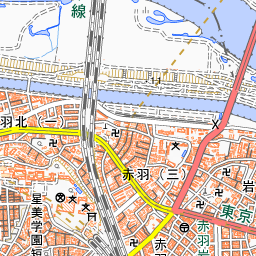
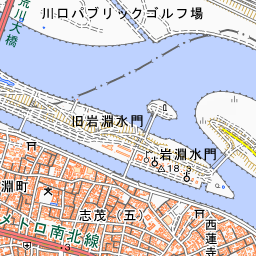
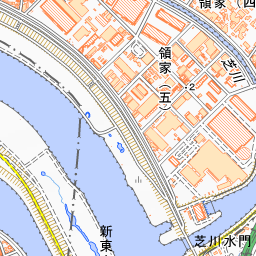
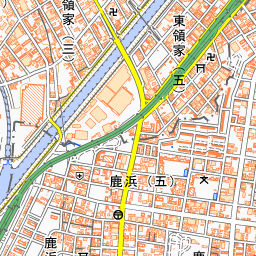
Adachi Urban Agriculture Park is located in Shikahama, Adachi City, at the confluence of the Arakawa River and the Shin-Shibakawa River, adjacent to Kawaguchi City in Saitama Prefecture.
Adachi City was once a major production center for vegetables and ornamental flowers, centered around rice cultivation. As farmland decreased with modernization, voices emerged calling for the preservation of agriculture. Positioned as a commemorative project for the 50th anniversary of the founding of Adachi City, the park opened in May 1984 as a base for promoting agriculture. Later, in conjunction with construction work on the Arakawa super levee, it reopened in 1995 as a park themed around agriculture and nature.
There is a small story regarding cherry blossoms. In 1886, over 3,000 Sato-zakura trees across 78 varieties were planted along the Arakawa riverbank. The multicolored blooms looked like five-colored clouds, leading a newspaper reporter to refer to them as "Goshikizakura." In 1912, 3,000 cherry trees of 12 varieties from the Arakawa riverbank were planted along the Potomac River in Washington, D.C., in the United States. Eventually, many of the cherry trees on the Arakawa riverbank were lost due to war damage and urbanization. In 1981, cherry trees once again returned home from Washington and were planted in places such as today's Urban Agriculture Park.
Viewing and Experience Highlights
- Rice Paddies and Traditional House: Rice and vegetables are grown in the paddies and fields without pesticides or chemical fertilizers. Traditional manual work is used for rice planting and harvesting in the paddies. Looking toward the traditional house from the paddies gives a sense of the original landscape of Adachi when it was a farming village. The traditional house is the former residence of the Waida family, said to have been built between the late Edo period and the Bakumatsu period. It was relocated alongside the nagayamon gate of the Asano family from around 1897.
- Riverside Flowerbeds and Cherry Blossoms: Large flowerbeds spread across the Arakawa riverside, where visitors can enjoy tulips, sunflowers, and cosmos across the seasons. The tulip art looks like a single large picture when viewed from above the riverbank. There are about 50 varieties of cherry blossoms in the park, and materials detailing the varieties and history of Goshikizakura can be viewed in the Cherry Blossom Exhibition Room.
- Exhibits and Experiences of Historical Life: The Historical Farming Tools Exhibition Room displays agricultural implements that were actually used. Visitors can also experience traditional Adachi papermaking (kamisuki) and dyeing through programs held in the workshop building.
Tips for Exploring
Take the Tobu Bus bound for "Shikahama Toshi Nogyo Koen" from the East Exit of Nishiarai Station, and the park is right outside the bus stop. You can only enter the rice paddies and vegetable fields during programs or when accompanied by staff. Walk alongside them to observe how the vegetables grow. If you get tired, head to the "Kitchen Toretate" rest house, which serves dishes using some vegetables grown within the park.
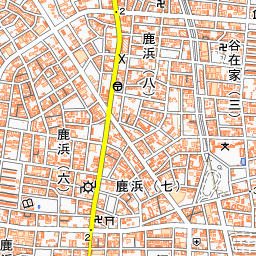

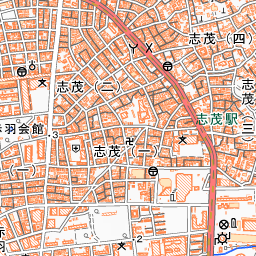

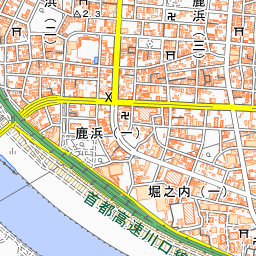
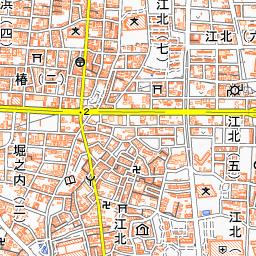
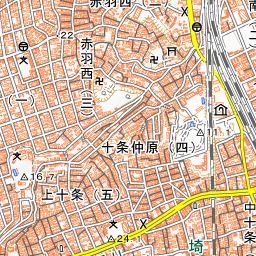
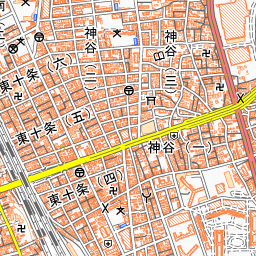
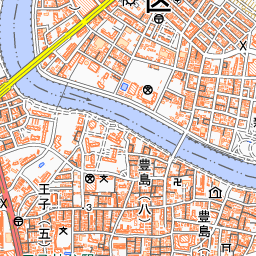
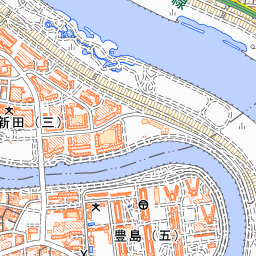
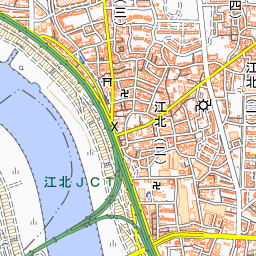
Spot location © OpenStreetMap contributors (ODbL)
Open in Google MapsUse asobot while you walk
- See where you are on the map and find spots nearby
- Listen to the guide's audio in course order, one after another (with subtitles)
- Walk to the next spot while following the map
Open on your phone
Scan to open this spot in asobot on your phone.