 ✨ AI Generated
Miyoshi Fudoki-no-Oka Park & Hiroshima Prefectural History and Folklore Museum
Japanese: 広島県立みよし風土記の丘・広島県立歴史民俗資料館
Miyoshi, Hiroshima
This information was written by AI and may contain mistakes. Please check official sources for opening hours, fees, and other details before you go.
Found a mistake? Let us know with “✏️ Something's wrong” on this spot's screen in asobot →
🎧 Audio guide(1:16)
In short
Hiroshima Prefectural Miyoshi Fudoki-no-Oka is an open-air museum that broadly preserves approximately 30 hectares of hills centered around the nationally designated Historic Site "Jorakuji and Nanatsuzuka Kofun Cluster." It was established in 1979 alongside the Hiroshima Prefectural History and Folklore Museum located within the grounds, allowing visitors to view both the museum materials and the archaeological remains and cultural properties within the park.
- 176 Burial Mounds: They come in various shapes, including circular mounds, square mounds, keyhole-shaped mounds, and scallop-shaped mounds, and are believed to have been constructed between the 5th and 6th centuries
- Museum Exhibits: With the primary theme of "The Chugoku Mountains and the Gonokawa River," the museum introduces the lives of primitive and ancient people, and visitors can also see items such as iron implements, haniwa clay figurines, and magatama beads excavated from the tumuli within the park. Walking among the tumuli after learning at the museum will deepen your understanding
- Ancient Dwellings and Edo-Period Folk Houses: Visitors can explore reconstructed ancient dwellings, relocated stone burial chambers, and the Former Mano Family Residence, relocated from Sera-cho and designated an Important Cultural Property
History and Highlights
Hiroshima Prefectural Miyoshi Fudoki-no-Oka is an open-air museum that broadly preserves approximately 30 hectares of hills centered around the nationally designated Historic Site "Jorakuji and Nanatsuzuka Kofun Cluster." It was established in 1979 alongside the Hiroshima Prefectural History and Folklore Museum located within the grounds. The museum is also known as the "Miyoshi Fudoki-no-Oka Museum," allowing visitors to view both the museum materials and the archaeological remains and cultural properties within the park.
The kofun cluster comprises 116 burial mounds in the Jorakuji Kofun Cluster to the north and 60 in the Nanatsuzuka Kofun Cluster to the south, totaling 176 mounds. They come in various shapes, including circular mounds, square mounds, keyhole-shaped mounds, and scallop-shaped mounds, and are believed to have been constructed between the 5th and 6th centuries. The area was designated as a national Historic Site in 1972.
Highlights of the Exhibition and Experience
- Museum Exhibits: With the primary theme of "The Chugoku Mountains and the Gonokawa River," the museum introduces the lives of primitive and ancient people, focusing on archaeological materials excavated within the prefecture. In the corner for learning about Fudoki-no-Oka, visitors can see topographical models, shapes of the burial mounds, burial facilities, as well as iron implements, haniwa clay figurines, and magatama beads excavated from the tumuli within the park.
- Walking Among the Tumuli: Walking trails wind through the burial mound cluster, allowing visitors to walk and view the mounds scattered throughout nature. Walking through after learning about the shapes of the mounds and the excavated artifacts at the museum will deepen your understanding.
- Ancient Dwellings and Edo-Period Folk Houses: Reconstructed ancient dwellings and relocated stone burial chambers can be found on the grounds. In addition, visitors can explore the Former Mano Family Residence, an Edo-period house relocated from Sera-cho and designated an Important Cultural Property.
Walking Tips
The park is expansive and the walking paths have undulating terrain, so it is recommended to wear comfortable walking shoes. The museum holds special exhibitions covering archaeology, history, folklore, and art several times a year. A recommended route is to visit the museum first before heading out to the outdoor burial mound cluster. If you wish to learn more about the history of Miyoshi, visiting the Miyoshi City History and Folklore Museum, located on the second floor of the Tsujimura Jusaburo Doll Museum in Miyoshi-machi, is also a good option.


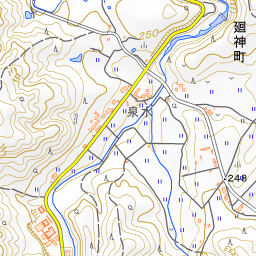
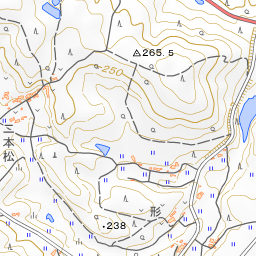
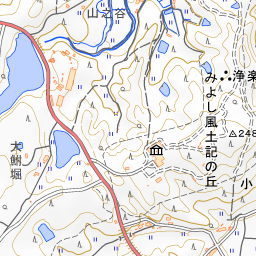
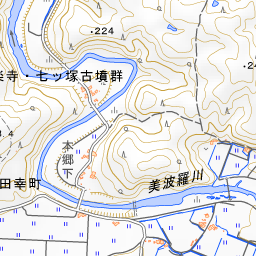
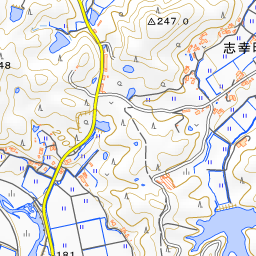
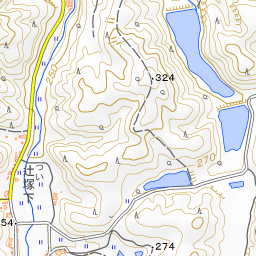
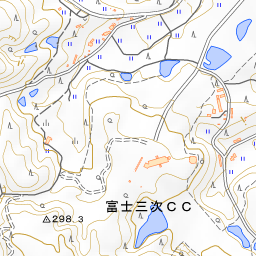
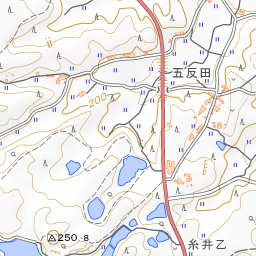
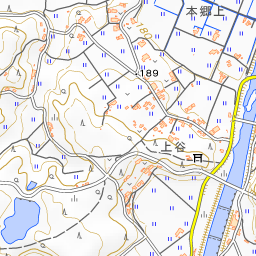
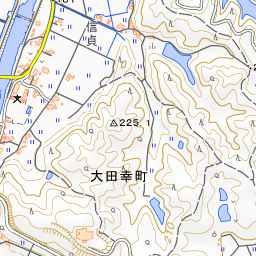
Spot location © OpenStreetMap contributors (ODbL)
Open in Google MapsUse asobot while you walk
- See where you are on the map and find spots nearby
- Listen to the guide's audio in course order, one after another (with subtitles)
- Walk to the next spot while following the map
Open on your phone
Scan to open this spot in asobot on your phone.