 ✨ AI Generated
Nakanoshima Park
Japanese: 中之島公園
Kita Ward, Osaka
This information was written by AI and may contain mistakes. Please check official sources for opening hours, fees, and other details before you go.
Found a mistake? Let us know with “✏️ Something's wrong” on this spot's screen in asobot →
🎧 Audio guide(1:05)
In short
A waterfront park on Nakanoshima, situated between the Dojima and Tosabori rivers. Opened in 1891 (Meiji 24), it is the very first park in the city of Osaka, and after extensive renovations, it reopened in fiscal year 2009 (Heisei 21). The landscape lined with buildings such as Osaka City Central Public Hall and Osaka Prefectural Nakanoshima Library is selected as one of "Osaka's Top 100 Greenery Sites."
- Rose Garden: Opened in 1980, the rose garden is planted with 3,700 rose bushes across 310 varieties. The flowers bloom twice a year, from mid-to-late May and in October
- The Lions of Naniwa Bridge: Naniwa Bridge is also called the "Lion Bridge" after the stone lions positioned at its four corners. The park is also home to approximately 100 cherry blossom trees
- Eastern Tip Fountain and River Views: Sightseeing boats and other vessels cruise the waters on both sides of the eastern lawn plaza. At the very eastern tip, a fountain shoots up water at scheduled times
History and Highlights
Nakanoshima Park is a waterfront park located on Nakanoshima, an island situated between the Dojima and Tosabori rivers. It is the very first park established by the city of Osaka, opening in 1891.
Nakanoshima is a natural sandbar where, from the 17th century onward, feudal lords (daimyo) from across Japan built storehouses to trade at the rice market on the opposite shore. When the Meiji government abolished the rice-based economic system, the storehouses fell out of use, and the city of Osaka acquired the land to develop public spaces. The island was extended 500 meters east beyond Tenjin Bridge, and this newly created area also became part of the park. It is said that when the park first opened, it featured Osaka's first beer garden as well as cafes, serving as a place of urban relaxation.
Following extensive renovations from fiscal years 2007 to 2008, the park reopened in fiscal year 2009. The western side is an area where water and greenery harmonize with dignified historical structures such as Osaka City Central Public Hall, the central area is a garden where visitors can enjoy seasonal colors centered around roses, and the eastern side is a lively lawn area. The landscape lined with buildings such as Osaka City Central Public Hall and Osaka Prefectural Nakanoshima Library is selected as one of "Osaka's Top 100 Greenery Sites."
Viewing and Experience Highlights
- Rose Garden: Opened in 1980, the rose garden is located just east of Naniwa Bridge. Divided into two sections across a canal spanned by an arched bridge, it is planted with 3,700 rose bushes across 310 varieties. The flowers bloom twice a year, from mid-to-late May and in October.
- The Lions of Naniwa Bridge: Most of the park's greenery lies to the east of Naniwa Bridge. Naniwa Bridge is also called the "Lion Bridge" after the stone lions positioned at its four corners. The park is also home to approximately 100 cherry blossom trees.
- Eastern Tip Fountain and River Views: Sightseeing boats and other vessels cruise the waters on both sides of the eastern lawn plaza. At the very eastern tip, a fountain shoots up water at scheduled times. During the Tenjin Matsuri festival on July 25, the river is filled with dozens of boats carrying festival-goers and drummers.
Walking Tips
Located right near Exit 1 of Kitahama Station, the park can be entered at any time. On the west side stand Osaka City Central Public Hall, Osaka Prefectural Nakanoshima Library, and The Museum of Oriental Ceramics, Osaka. Enjoy a walk from east to west along Nakanoshima while taking in the history and highlights of each building.
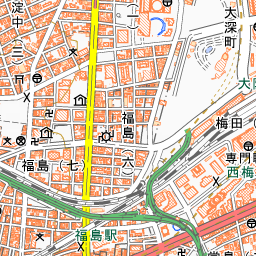


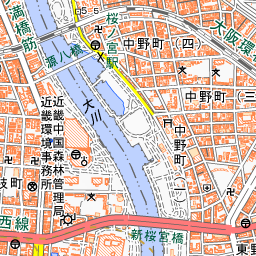
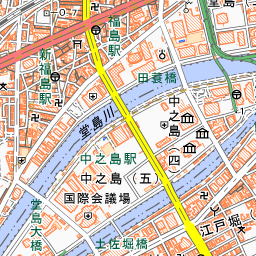
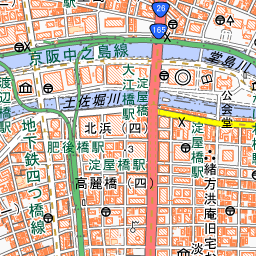
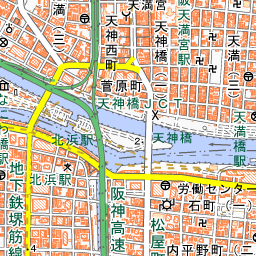

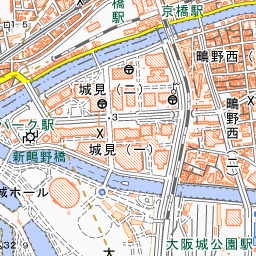
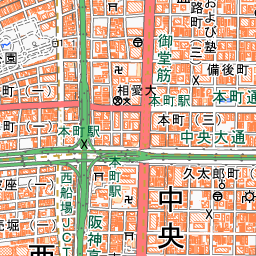
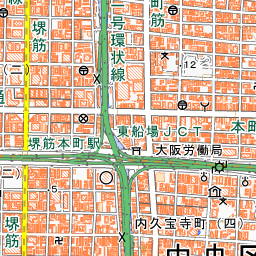
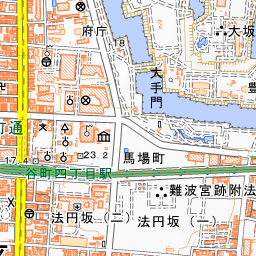
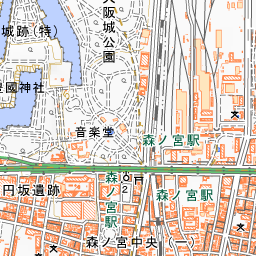
Spot location © OpenStreetMap contributors (ODbL)
Open in Google MapsGuides that include this spot (1)
Use asobot while you walk
- See where you are on the map and find spots nearby
- Listen to the guide's audio in course order, one after another (with subtitles)
- Walk to the next spot while following the map
Open on your phone
Scan to open this spot in asobot on your phone.