 ✨ AI Generated
National Diet Building
Japanese: 国会議事堂
Chiyoda City, Tokyo
This information was written by AI and may contain mistakes. Please check official sources for opening hours, fees, and other details before you go.
Found a mistake? Let us know with “✏️ Something's wrong” on this spot's screen in asobot →
🎧 Audio guide(0:56)
In short
The National Diet Building stands on the heights of Nagatacho and was constructed in 1936. Adorned with beautiful granite, its appearance was praised at the time as the "White Palace." Viewed from the front, the House of Representatives is on the left and the House of Councillors is on the right; visitors can see the interior by taking their respective tours.
- Central Tower: A tower 65.45 meters in height, the building boasted the tallest height in Japan when completed.
- Central Hall: An open atrium directly beneath the Central Tower, tall enough to fit the five-story pagoda of Horyu-ji Temple.
- Fourth Pedestal: There are bronze statues of only three people in the hall, leaving the fourth pedestal without a statue.
History and Highlights
The National Diet Building stands on the heights of Nagatacho. Construction began in 1920 and took 17 years to complete in November 1936. It has been used continuously since the 70th Imperial Diet convened in December of that same year. Previous parliament buildings are now referred to as "temporary assembly halls." The first temporary assembly hall was built in Uchisaiwaicho, Hibiya, to coincide with the opening of the Imperial Diet in 1890.
The structure is steel-framed reinforced concrete, and its exterior is decorated with beautiful granite, which earned it praise as the "White Palace." It boasted the tallest height in Japan at the time, with its Central Tower reaching 65.45 meters. Viewed from the front, the House of Representatives is on the left, and the House of Councillors is on the right.
Initially, the policy was to construct everything using domestic materials. However, the doorknobs, mail chutes, and stained glass are foreign-made.
Viewing and Experience Points
- Central Hall: An open-atrium hall located directly beneath the Central Tower, with a height of 32.62 meters to the ceiling. It is tall enough to fit the five-story pagoda of Horyu-ji Temple. Stained glass is set into the windows and ceiling, and the floor features a mosaic made of approximately 1 million pieces of marble. The pillars and walls are made of coral limestone quarried in Okinawa Prefecture, containing numerous fossils such as snails.
- Bronze Statues and Oil Paintings of the Four Seasons: In the hall stand bronze statues of Itagaki Taisuke, Okuma Shigenobu, and Ito Hirobumi. They were created in 1938 to commemorate the 50th anniversary of the promulgation of the Constitution of the Empire of Japan. There is no statue on the fourth pedestal. It is said that the selection of the fourth person could not be made and was carried over to the future, or that it is a "symbol of incompleteness, showing that politics is never finished." Oil paintings depicting spring, summer, autumn, and winter hang in the four corners.
- House of Councillors Chamber: The chamber where plenary sessions are held, featuring a stained-glass skylight with an arabesque pattern on the ceiling. Because the chamber has been preserved from the days of the House of Peers, 460 seats—exceeding the current number of members—are arranged in a semicircle. To prevent echoes, stone materials were not used for the pillars and walls, opting for Japanese zelkova wood wherever possible.
Tips for Exploring
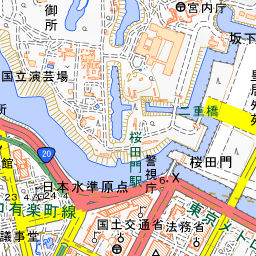
To go inside, visitors can join tours organized by either the House of Representatives or the House of Councillors. In the House of Councillors, tours follow a designated route led by an escort guard. On days when plenary sessions are held, House of Councillors tours are suspended from one hour before the scheduled opening time until the session is adjourned. Both reception desks are about a 3-minute walk from Exit 1 of Nagatacho Station. In the front garden (zentei), there are "prefectural trees" presented from across the country, as well as a large ginkgo tree that grew naturally prior to the construction of the building. In the nearby north garden of the Diet Front Garden, you can find the Japanese Datum of Levelling, which serves as the benchmark for Japan's elevation. Hie-jinja Shrine is approximately 490 meters to the west-southwest.
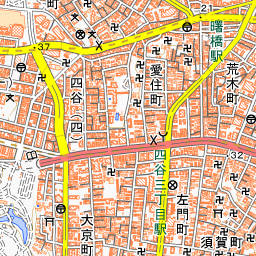
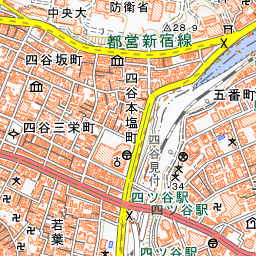
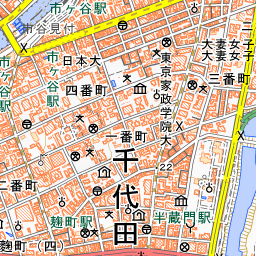
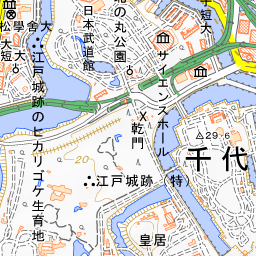
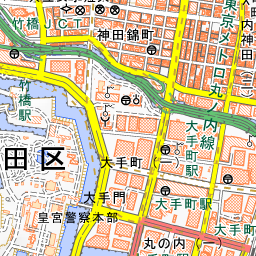
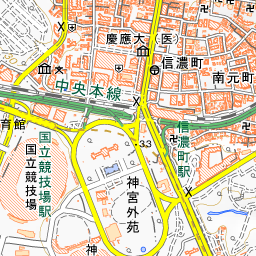
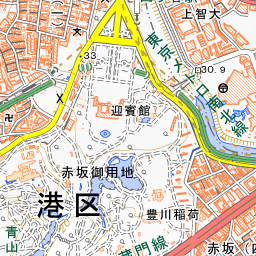
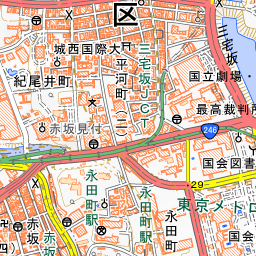


Spot location © OpenStreetMap contributors (ODbL)
Open in Google MapsGuides that include this spot (1)
Use asobot while you walk
- See where you are on the map and find spots nearby
- Listen to the guide's audio in course order, one after another (with subtitles)
- Walk to the next spot while following the map
Open on your phone
Scan to open this spot in asobot on your phone.