 ✨ AI Generated
Yuyake Koyake Fureai-no-Sato
Japanese: 夕やけ小やけふれあいの里
Hachioji, Tokyo
This information was written by AI and may contain mistakes. Please check official sources for opening hours, fees, and other details before you go.
Found a mistake? Let us know with “✏️ Something's wrong” on this spot's screen in asobot →
🎧 Audio guide(0:59)
In short
Yuyake Koyake Fureai-no-Sato is a recreation park for families, located at the foot of Mt. Jinba in Kamiongatamachi, Hachioji City. This area is the birthplace of the nursery rhyme "Yuyake Koyake," and its lyricist, Nakamura Uko, was born in Kamiongatamachi. The Kita-Asakawa River flows through the grounds, where visitors can enjoy interacting with animals, playing in the river, barbecuing, and camping.
- Nakamura Uko Exhibition Hall: Displays materials related to Nakamura Uko, the lyricist of "Yuyake Koyake"
- Fureai Farm: A farm where visitors can spend time with ponies, rabbits, guinea pigs, and other animals
- Kita-Asakawa River: A river flowing through the grounds where you can enjoy cool river play in summer
History and Highlights
Yuyake Koyake Fureai-no-Sato is situated at the foot of Mt. Jinba and is a spot enjoyed by families. This area is also considered the birthplace of the nursery rhyme "Yuyake Koyake."
The lyricist, Nakamura Uko, whose real name was Takai Miyakichi, was born in 1897 in what is now Kamiongatamachi, Hachioji City. In 1916, he graduated from Aoyama Normal School and became an elementary school teacher in Nippori. While teaching, he began writing fairy tales and nursery rhymes for children. Attracted to the work of the nursery rhyme writer Noguchi Ujo, he adopted the pen name "Uko."
In 1923, songs including "Yuyake Koyake" were published in a sheet music collection. However, during the Great Kanto Earthquake, most of these printed copies were burned. It is said that "Yuyake Koyake" spread far and wide from only a dozen or so copies that survived. Uko passed away in 1972 at the age of 75.
Nearby Miyao-jinja Shrine is said to be the birthplace of "Yuyake Koyake." Uko was born as the third son of the head priest of this shrine. On the shrine grounds stands the "Yuyake Monument," engraved with the song's lyrics. Miyao-jinja Shrine is on a separate property from the park.
Tips for Viewing and Experiencing
- Nakamura Uko Exhibition Hall: Displays materials related to Nakamura Uko. It is designed to spark conversation between parents and children, as well as grandparents and grandchildren, through Uko's life and work. After viewing the exhibits, try humming "Yuyake Koyake" while gazing out at the mountain scenery.
- Fureai Farm: A farm where visitors can spend time with ponies, rabbits, guinea pigs, and other animals. Guests can also experience feeding the animals. On Saturdays, Sundays, and national holidays from spring through autumn, pony rides are available for young children.
- Kita-Asakawa River and Seasonal Events: At the Kita-Asakawa River flowing through the grounds, you can enjoy cool river play in the summer. Fishing is permitted from April through December; visitors of junior high school age and older require a recreational fishing permit issued by the Ongata Fisheries Cooperative. In spring, Mitsuba azaleas (Rhododendron dilatatum) bloom around the glass-walled Fureai-kan. Every January, the traditional Dondo-yaki festival takes place at the Hoshifuru Square, which features a semicircular stage.
Tips for Strolling
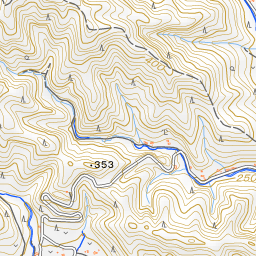
From the North Exit of Takao Station (Keio and JR lines), take a Nishi Tokyo Bus bound for Jinba-Kogen-shita for about 30 minutes, and get off at the "Yuyake Koyake" bus stop. In front of the entrance is "Ongata VIEW," a shop selling local specialty goods. Inside the grounds, you will also find a direct sales store offering locally grown vegetables from Hachioji, the "Iroribata" dining spot, the "Oruri-no-Ie" lodging facility, as well as barbecue and campsite areas. To protect nature, catching or gathering flora and fauna is prohibited, and insect nets and cages are not permitted inside. From the Jinba-Kogen-shita bus terminus on the same bus route, you can hike to the summit of Mt. Jinba in about 90 minutes. The summit of Mt. Jinba is located approximately 4.9 kilometers west-southwest.




Spot location © OpenStreetMap contributors (ODbL)
Open in Google MapsUse asobot while you walk
- See where you are on the map and find spots nearby
- Listen to the guide's audio in course order, one after another (with subtitles)
- Walk to the next spot while following the map
Open on your phone
Scan to open this spot in asobot on your phone.