 ✨ AI Generated
Tokyo Station Gallery
Japanese: 東京ステーションギャラリー
Chiyoda City, Tokyo
This information was written by AI and may contain mistakes. Please check official sources for opening hours, fees, and other details before you go.
Found a mistake? Let us know with “✏️ Something's wrong” on this spot's screen in asobot →
🎧 Audio guide(0:52)
In short
Tokyo Station Gallery is an art museum located in the North Dome of the Tokyo Station Marunouchi Station Building. It was established inside the station building in 1988, and after a period of closure due to restoration work, made a fresh start in the autumn of 2012. It is beloved for its brick-walled exhibition rooms that expose the structure dating back to the station building's original construction.
- Brick-walled exhibition rooms: On the 1st and 2nd floors inside the building, the structural bricks and steel frames from the time of original construction are exposed.
- Walls bearing traces of air raids: The black, carbonized "wooden bricks" on the walls are the result of fires caused by air raids.
- Spiral staircase: The stained glass and chandelier that have been in continuous use since the museum opened have been relocated to this staircase.
History & Highlights
Tokyo Station Gallery is an art museum established inside the Tokyo Station Marunouchi Station Building in 1988. It embodies the desire to make the station not just a mere transit point, but a place of refined culture. In 2006, it closed for the restoration work of the station building, and reopened in its current location in the autumn of 2012 after six and a half years.
The current museum is located in the North Dome of the station building, with the entrance on the 1st floor and exhibition rooms on the 2nd and 3rd floors. On the 1st and 2nd floors, the structure from the time of original construction is left exposed as much as possible. When originally built in 1914, the station building was a three-story steel-framed brick structure. Due to damage from air raids, it was reduced to two stories after the war, and the third floor was returned to its original form through the restoration work.
The museum's activities rest on three main pillars: "Rediscovery of Modern Art," "Invitation to Contemporary Art," and "Encounter with Railways, Architecture, and Design." The logo shaped like the letter "T" also holds a story characteristic of this building. Its motif is the "mortar joint" (meji) connecting three bricks. The three bricks represent the three pillars of activity, and the joint expresses the hope to be a starting point connecting people and culture.
Viewing & Experience Points
- Traces remaining on the brick walls: The wooden blocks found in places along the walls are "wooden bricks," components used at the time of construction to attach interior materials with nails. Their black, carbonized state is due to fires caused by air raids. The scratches on the brick surfaces are called "mearashi" (surface roughening), which were intentionally made during postwar work to apply mortar.
- Exposed steel frames: Looking closely at the brick walls, you can spot exposed steel frames. In some places, you can see the stamps of British manufacturing companies.
- Spiral staircase: Connecting the 3rd- and 2nd-floor exhibition rooms with the 1st-floor entrance, this staircase is located in the octagonal tower at the northern end of the station building. The wall materials differ between the 3rd floor and the 2nd floor and below, making the transition between the restored section and the original construction clearly distinguishable. The stained glass and chandelier, used since the opening in 1988, were also moved from the former gallery.
Visitor Tips
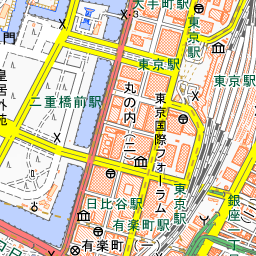
The entrance is directly in front of the Marunouchi North Exit ticket gates of Tokyo Station. As you enter the Marunouchi North Exit Dome, it can be seen on your left. In the 2nd-floor corridor, models and photographs detailing the history of the station building are permanently exhibited. Three dioramas showing the transformation of Marunouchi, original building materials uncovered during the restoration work, and the original models for the recreated ceiling reliefs can all be viewed up close. From the corridor, the floor of the dome is in clear view. The origin of the pattern can be found in the guide to the Tokyo Station Marunouchi Station Building. Footsteps tend to echo easily in the exhibition rooms, and the temperature is kept at around 21 degrees Celsius to protect the artwork.
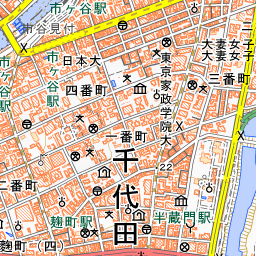
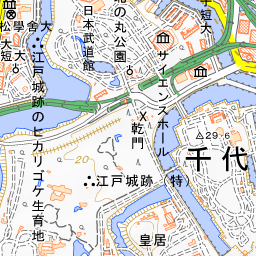
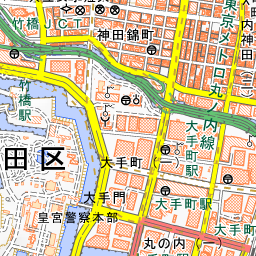
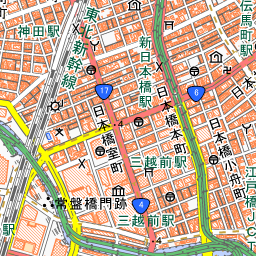


Spot location © OpenStreetMap contributors (ODbL)
Open in Google MapsUse asobot while you walk
- See where you are on the map and find spots nearby
- Listen to the guide's audio in course order, one after another (with subtitles)
- Walk to the next spot while following the map
Open on your phone
Scan to open this spot in asobot on your phone.