 ✨ AI Generated
Edo-Tokyo Open Air Architectural Museum
Japanese: 江戸東京たてもの園
Koganei, Tokyo
This information was written by AI and may contain mistakes. Please check official sources for opening hours, fees, and other details before you go.
Found a mistake? Let us know with “✏️ Something's wrong” on this spot's screen in asobot →
🎧 Audio guide(1:01)
In short
Edo-Tokyo Open Air Architectural Museum is an open-air museum located inside Koganei Park. It relocates, reconstructs, and preserves 30 buildings of high cultural value that could no longer be kept on their original sites. It opened in 1993 as a branch of the Edo-Tokyo Museum.
- Thatched-roof residences: In the West Zone, thatched-roof private houses stand, offering a glimpse into the lifestyle of late Edo-period farmers.
- Takahashi Korekiyo Residence: Located in the Center Zone, this was the home of Takahashi Korekiyo. The second-floor bedroom became the scene of the February 26 Incident.
- Shitamachi street and Kodakarayu: The East Zone is an area where you can enjoy the atmosphere of a Showa-era downtown (shitamachi), featuring Kodakarayu, a public bathhouse designed in the style of a temple or shrine.
History and Highlights
Edo-Tokyo Open Air Architectural Museum is an open-air museum located inside the metropolitan Koganei Park in Koganei City. It opened on March 28, 1993, as a branch of the Edo-Tokyo Museum. On its grounds of approximately 7 hectares, 30 buildings that could no longer be preserved at their original locations have been relocated, reconstructed, preserved, and exhibited.
The museum grounds are divided into three zones: West, Center, and East. In the West Zone, thatched-roof private houses stand, allowing visitors to experience the life of farmers in the late Edo period. The thatched-roof Tsunashima Residence is a mid-Edo-period farmhouse that originally stood on a plateau overlooking the Tama River. At the farmhouses, fires are sometimes lit in the sunken hearths (irori) and cooking stoves (kamado). The personal residence designed and built in 1942 by architect Maekawa Kunio is also located in the West Zone. Due to material shortages during wartime, wood was used for the window rails.
The Visitor Center in the Center Zone makes use of Kokaden Hall, a ceremonial hall temporarily built in 1940 (Showa 15) for the 2600th Imperial Year Celebration. The Takahashi Korekiyo Residence is also in this zone. Takahashi Korekiyo built this residence in Akasaka in the late Meiji period, and its second-floor bedroom became the scene of the February 26 Incident in 1936 (Showa 11).
The East Zone is an area where visitors can enjoy the atmosphere of a Showa-era shitamachi. Along "Shitamachi-naka-dori," rows of "billboard architecture" (kanban kenchiku) shops with tiled facades stand side by side.
Highlights for Viewing and Experiencing
- Kodakarayu: A public bathhouse built in 1929 (Showa 4), originally located in Senju-Motomachi, Adachi Ward. It features luxurious architectural elements, including a large arched bargeboard (karahafu) reminiscent of temples and shrines, a wood carving of the Seven Lucky Gods above the entrance, and a coved coffered ceiling (oriage gotenjo) in the dressing room. A painting of Mount Fuji adorns the wall of the bathing area. It is said to have served as a reference for the bathhouse "Aburaya" in the animated film Spirited Away.
- Architecture of the Takahashi Korekiyo Residence: A house built entirely of high-quality Japanese hemlock (so-tsuga-bushin), featuring parquet flooring in the Western-style room. The glass panes of the sliding shoji doors were hand-blown by craftsmen, giving them an uneven, wavy surface.
- Kagiya and Takei Sanshodo: Kagiya, an izakaya formerly located in Shitaya, Taito Ward, is said to have been built in 1856, and its interior has been restored to its appearance around 1970. The stationery store Takei Sanshodo is said to have been the model for Kamaji's boiler room in the animated film.
Visiting Tips
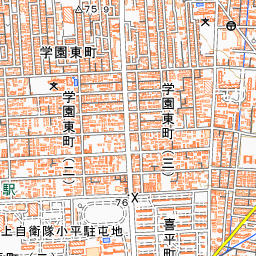
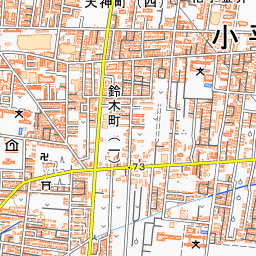
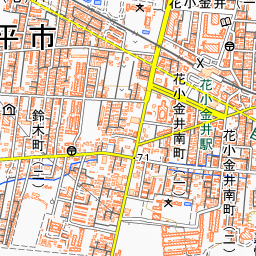
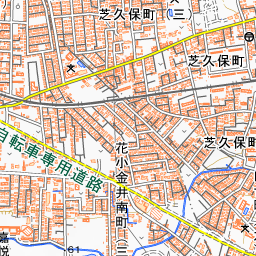
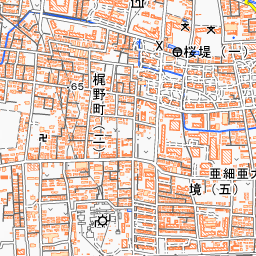
Take a bus from the North Exit of JR Musashi-Koganei Station, get off at "Koganei-koen Nishi-guchi," and walk about 5 minutes. The entrance and exit to the museum is at the Visitor Center in the Center Zone. Taking a thorough look at everything is said to take up to around 4 hours. A Tokyo streetcar (Toden), a bonnet bus, and a round red post box are also on display. For the surrounding park grounds and cherry blossoms, please refer to "Koganei Park."
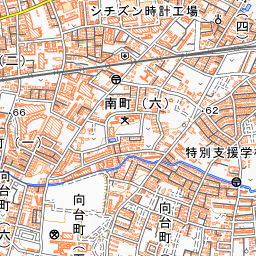
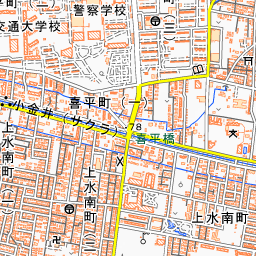
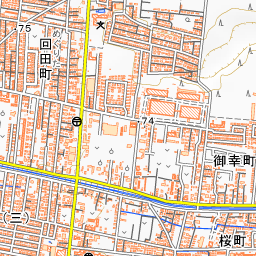
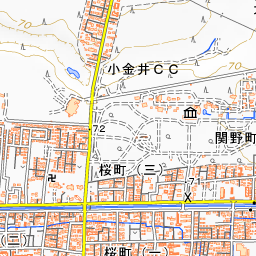
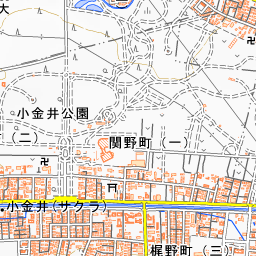
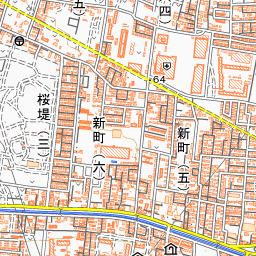


Spot location © OpenStreetMap contributors (ODbL)
Open in Google MapsGuides that include this spot (1)
Use asobot while you walk
- See where you are on the map and find spots nearby
- Listen to the guide's audio in course order, one after another (with subtitles)
- Walk to the next spot while following the map
Open on your phone
Scan to open this spot in asobot on your phone.