 ✨ AI Generated
Ryukoku Museum
Japanese: 龍谷ミュージアム
Shimogyo Ward, Kyoto
This information was written by AI and may contain mistakes. Please check official sources for opening hours, fees, and other details before you go.
Found a mistake? Let us know with “✏️ Something's wrong” on this spot's screen in asobot →
🎧 Audio guide(1:15)
In short
A museum affiliated with Ryukoku University, opened in April 2011. Aiming to be "a comprehensive Buddhist museum open to the city, transcending the boundaries of a university museum," it introduces the journey of Buddhism, which originated in India, traversed various regions across Asia, and was transmitted to and spread throughout Japan. It stands facing Horikawa-dori Street directly in front of Nishi Hongwanji Temple.
- Great Corridor of the Bezeklik Caves: On the second floor, the corridor of Cave No. 15 of the Bezeklik Caves is reconstructed at actual scale, and in this corridor, measuring about 3.5 meters high and about 15 meters long, nine Buddhist mural panels about 3 meters tall are displayed
- Otani Expedition Materials: Ryukoku University holds a collection of approximately 9,000 items, including artifacts brought back by the "Otani Expedition," dispatched three times between 1902 and 1914 by Otani Kozui
- Museum Theater: On the third floor, there is a theater where visitors can enjoy ultra-high-definition video on a 200-inch screen, and after the screening, it turns into an observation room overlooking the precincts of Nishi Hongwanji Temple
History and Highlights
Ryukoku Museum is a museum affiliated with Ryukoku University, opened in April 2011. Ryukoku University traces its origins back to an educational boarding school established at Nishi Hongwanji Temple in the 16th year of Kanei (1639). Aiming to be "a comprehensive Buddhist museum open to the city, transcending the boundaries of a university museum," it stands facing Horikawa-dori Street directly in front of Nishi Hongwanji Temple.
The exhibitions introduce the journey of Buddhism, which originated in India, traversed various regions across Asia, and was transmitted to and spread throughout Japan. In the series exhibitions held twice a year, the second-floor gallery covers "Buddhism in Asia" and the third-floor gallery covers "Buddhism in Japan," tracing the origin and spread of Buddhism primarily through cultural properties in the university's collection. In addition, special exhibitions and planned exhibitions with specific themes are also held. The series exhibitions are not held while special exhibitions are in session.
Viewing and Experience Points
- Great Corridor of the Bezeklik Caves: On the second floor, the corridor of Cave No. 15 of the Bezeklik Caves, located on the outskirts of Turpan in the Xinjiang Uyghur Autonomous Region of China, is reconstructed at actual scale. In the Uyghur language, "Bezeklik" means "a place with paintings." The murals, which had been carried away by expeditions from various countries in the early 20th century and separated from their original location, were digitally restored by the university in collaboration with NHK. In this corridor, measuring about 3.5 meters high and about 15 meters long, nine Buddhist mural panels about 3 meters tall are displayed.
- Otani Expedition Materials: The university holds a collection of approximately 9,000 items, including artifacts brought back by the "Otani Expedition" dispatched three times between 1902 and 1914 by Otani Kozui, the 22nd Abbot of the Jodo Shinshu Hongwanji-ha. It is considered Japan's first academic expedition to trace the route along which Buddhism spread to the east.
- Museum Theater: On the third floor, there is a theater where visitors can enjoy ultra-high-definition video on a 200-inch screen, featuring works introducing the barrier paintings of Nishi Hongwanji Temple and the Bezeklik Caves. After the screening, the screen retracts into the ceiling, turning the space into an observation room overlooking the precincts of Nishi Hongwanji Temple.
Walking Tips
It is about a 12-minute walk from Kyoto Station on the JR, Kintetsu, and Subway Karasuma Lines. The exterior wall facing Horikawa-dori Street features a screen made of approximately 4,000 ceramic louvers, and its wave pattern is modeled after the base paper pattern of the National Treasure "Nishi Hongwanji-bon Sanjurokunin Kashu" preserved at Nishi Hongwanji Temple. After your visit, it is a great idea to explore Nishi Hongwanji Temple across the street, or extend your walk about 450 meters to the east to visit Higashi Hongan-ji Temple.
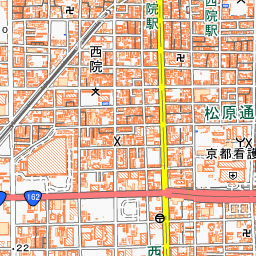
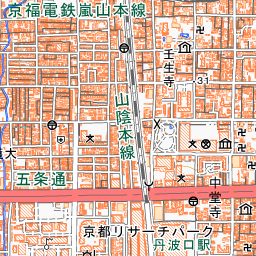
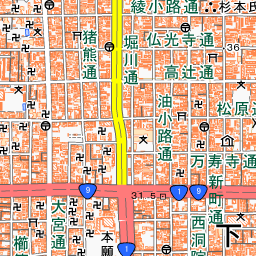


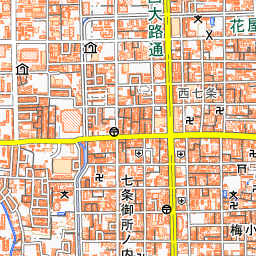
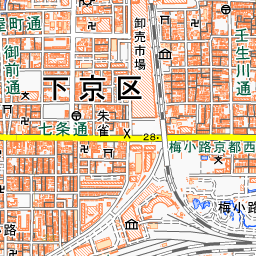
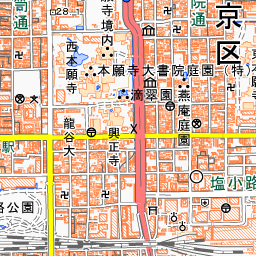
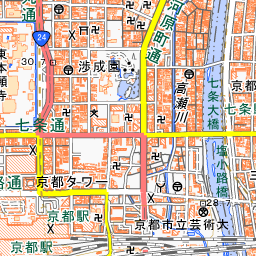
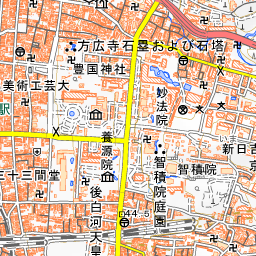
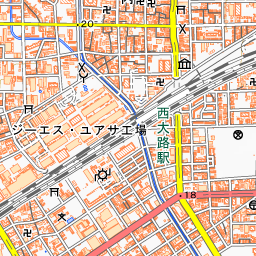
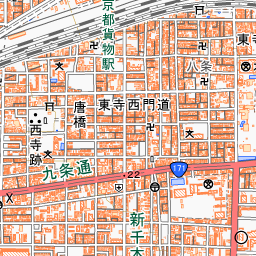
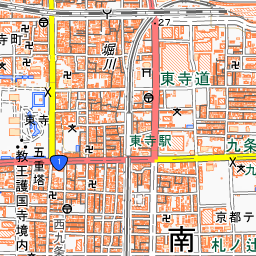
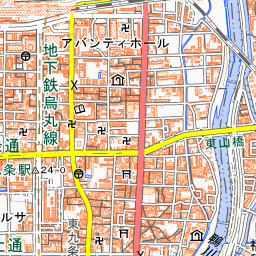
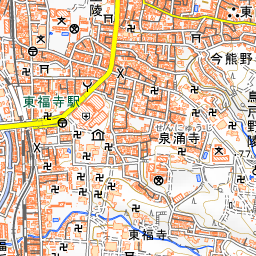
Spot location © OpenStreetMap contributors (ODbL)
Open in Google MapsUse asobot while you walk
- See where you are on the map and find spots nearby
- Listen to the guide's audio in course order, one after another (with subtitles)
- Walk to the next spot while following the map
Open on your phone
Scan to open this spot in asobot on your phone.