 ✨ AI Generated
Mint Museum
Japanese: 造幣博物館
Kita Ward, Osaka
This information was written by AI and may contain mistakes. Please check official sources for opening hours, fees, and other details before you go.
Found a mistake? Let us know with “✏️ Something's wrong” on this spot's screen in asobot →
🎧 Audio guide(1:09)
In short
A museum standing on the grounds of the Japan Mint on the banks of the Okawa River (the former Yodogawa River). The building, constructed as a thermal power plant in 1911 (Meiji 44), is the only Western-style brick building from the Meiji era remaining on the grounds, and it opened as the Mint Museum in 1969 (Showa 44). About 4,000 items are on display, including oban and koban gold coins, ancient coins, currency minted by the Japan Mint since the Meiji era, and decorations and medals.
- Masterpieces of Oban and Koban: On the third floor, items ranging from Fuhonsen and Wado Kaichin to coins from the Meiji era onward are displayed. There is the Tensho Hishi Oban, of which only 5 to 6 coins are said to survive today, as well as the Tensho Naga Oban, ranking among the world's largest gold coins
- Experiencing the Weight: In the hands-on corner on the second floor, visitors can feel the weight of coin bags and senryobako (chests holding 1,000 ryo of coins), and touch replica gold bars as well as authentic silver bars and ancient coins
- Coining Presses from the Founding Era and Gas Lamps: Next to the building stand French- and German-made coining presses used around the time of the mint's founding. These machines are among only a few remaining in the world and were certified as "Mechanical Engineering Heritage" in 2021. The premises also feature Japan's oldest Western-style gas lamps
History and Highlights
The Mint Museum is a museum located on the grounds of the Japan Mint on the banks of the Okawa River (the former Yodogawa River). The Japan Mint was established by the new Meiji government as a mint factory equipped with Western-style facilities in order to reorganize the disordered monetary system. It held its inaugural ceremony in 1871 and began manufacturing coins.
The museum building was constructed as a thermal power plant in 1911 to switch from steam, which had been the power source since its founding, to more efficient electricity. It is the only surviving Western-style brick building from the Meiji era on the mint's grounds. When a new electrical substation was constructed in 1967, calls arose to preserve the building, and in April 1969, it opened as the "Mint Museum" after being renovated while retaining its exterior from that period. In April 2009, it reopened following major renovations. In the open-ceiling entrance hall, the brick wall behind the large clock remains just as it was when the building was completed in 1911.
Inside, approximately 4,000 items are exhibited, including oban and koban gold coins, ancient coins, currency minted by the Japan Mint since the Meiji era, decorations and medals, and foreign currencies.
Highlights and Experiences
- Masterpieces of Oban and Koban: On the third floor, items ranging from Fuhonsen and Wado Kaichin to Edo-period oban and koban, as well as coins from the Meiji era onward, are displayed. The Tensho Hishi Oban, which was minted on the orders of Toyotomi Hideyoshi, is a rare piece of which only 5 to 6 coins are said to survive today. The Tensho Naga Oban measures 17.5 cm in length and 10.2 cm in width, ranking among the world's largest gold coins.
- Experiencing the Weight: In the hands-on corner on the second floor, visitors can feel the weight of coin bags and senryobako (chests holding 1,000 ryo of coins), and touch replica gold bars as well as authentic silver bars and ancient coins. Exhibits also introduce coin-manufacturing processes, decorations, and prize medals from the Olympic and Paralympic Games held in Japan.
- Coining Presses from the Founding Era and Gas Lamps: Next to the building stand French- and German-made coining presses used around the time of the mint's founding. These machines are among only a few remaining in the world and were certified as "Mechanical Engineering Heritage" by The Japan Society of Mechanical Engineers in 2021. The premises also feature Japan's oldest Western-style gas lamps, which were installed inside the grounds and along nearby streets during the founding period.
Tips for Exploring
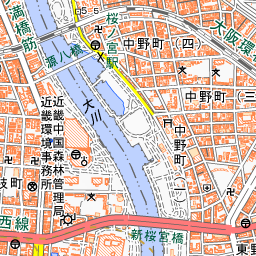
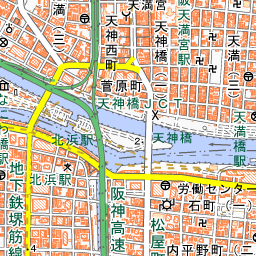
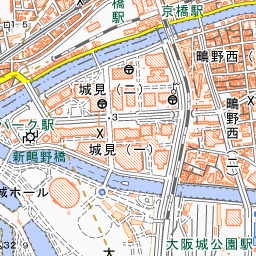
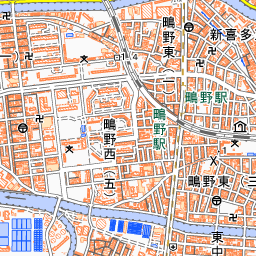
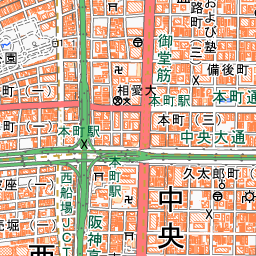
It is about a 15-minute walk east along Route 1 from Minamimorimachi Station on the Osaka Metro or Osaka-Temmangu Station on the JR Line. There is no parking lot. The Fujita Museum is located approximately 340 meters to the east, and Osaka Tenmangu Shrine is approximately 820 meters to the west.



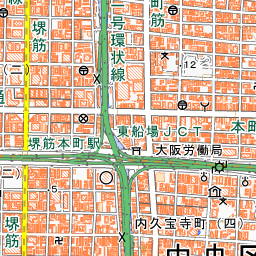
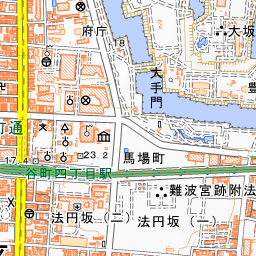
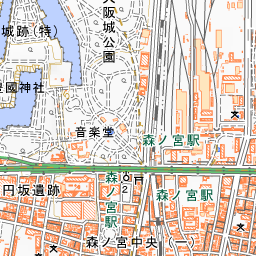
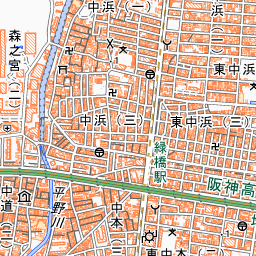
Spot location © OpenStreetMap contributors (ODbL)
Open in Google MapsGuides that include this spot (1)
Use asobot while you walk
- See where you are on the map and find spots nearby
- Listen to the guide's audio in course order, one after another (with subtitles)
- Walk to the next spot while following the map
Open on your phone
Scan to open this spot in asobot on your phone.