 ✨ AI Generated
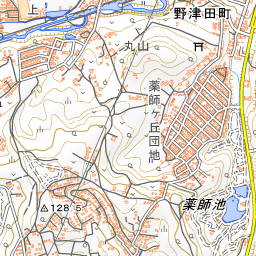
Yakushi Pond
Japanese: 薬師池
Machida, Tokyo
This information was written by AI and may contain mistakes. Please check official sources for opening hours, fees, and other details before you go.
Found a mistake? Let us know with “✏️ Something's wrong” on this spot's screen in asobot →
🎧 Audio guide(1:03)
In short
Yakushi Pond is a pond located at the center of Yakushi-ike Park, one of Machida City's signature parks. Formerly also called "Fukuoji Pond," it was a reservoir used for rice paddies. It is a Tokyo Designated Place of Scenic Beauty and has also been selected as one of "Japan's Top 100 Historical Parks." Old folk houses from the Edo period have been relocated to the park grounds, and a large ginkgo tree and the Yakushido Hall stand nearby.
- Flowers of the Four Seasons: The scenery changes color with each season, featuring plums, camellias, cherry blossoms, Japanese irises, Oga lotuses, and autumn leaves.
- Edo-Period Old Folk Houses: The Former Nagai Family Residence, an Important Cultural Property of Japan, and the Former Ogino Family Residence, a Tokyo Designated Tangible Cultural Property, have been relocated here.
- The Pond and Taiko Bridge: You can enjoy waterfront views from the Taiko Bridge (arched drum bridge) spanning the pond and from the Yakushi Chaya teahouse by the water's edge.
History and Highlights
Yakushi Pond is the central pond of Yakushi-ike Park, Machida City's representative park. It was selected as one of the "New 100 Views of Tokyo" in 1982 and became a Tokyo Designated Place of Scenic Beauty in 1998. In 2007, it was also chosen as one of "Japan's Top 100 Historical Parks."
Yakushi Pond was originally a reservoir created for rice paddies by damming spring water. It was also once called "Fukuoji Pond." Exactly when it was built is not clear. According to the city's guide, a document bearing the seal of Hojo Ujiteru was issued to Muto Hanrokuro of Nozuta in 1577 (Tensho 5), and it is said to have been developed as a pond for rice paddies until 1590 (Tensho 18). The pond's water irrigated approximately 7 hectares of rice fields.
In 1708 (Hoei 5), the pond filled with mud and sand, and laborers from surrounding villages spent three years dredging it. It filled again in 1817 (Bunka 14), and the pond was dug out again into the form it has today. It was developed as a park in 1976.
The name of the pond comes from the nearby Yakushido Hall. The hall was called Fukuoji, and because its principal image is Yakushi Nyorai, the pond at the foot of the hill also came to be called Yakushi Pond. A folktale also remains about a giant serpent said to be the master of the pond.
Two Edo-period folk houses have been relocated to the park. The Former Nagai Family Residence was the home of the Nagai family, who farmed in the Tama Hills for generations, and is an Important Cultural Property of Japan. The Former Ogino Family Residence is the house of a doctor's family and is a Tokyo Designated Tangible Cultural Property.
Highlights for Viewing and Experiencing
- Flowers of the Four Seasons: Flowers and trees transition with each season, including plums, camellias, cherry blossoms, wisteria, Japanese irises, Oga lotuses, and autumn foliage. The Oga lotus was grown from seeds discovered at an archaeological site in Kemigawa, Chiba Prefecture, estimated to be about 2,000 years old.
- Taiko Bridge and Pond Views: A Taiko Bridge spans the pond. At the "Yakushi Chaya" by the pond shore, you can enjoy amazake (sweet fermented rice drink) or matcha green tea while gazing at the water.
- Old Folk Houses and Yakuimon Gate: The Former Nagai Family Residence was originally located in Onoji-machi and was donated to Machida City due to the construction of Tama New Town. The Yakuimon gate was originally the gate of a residence in Shimotsuruma, Yamato City, and was relocated to this site in 1974.
Walking Tips
Take a bus for about 30 minutes from the North Exit of Machida Station and get off at "Yakushi-ike" or "Yakushigaoka."
On the west side of the pond stand a large ginkgo tree and the Yakushido Hall. The large ginkgo tree is estimated to be approximately 500 years old and about 35 meters tall. Next to the Yakuimon gate is the Manyo Botanical Garden, where 70 types of plants and flowers celebrated in the Man'yoshu poetry anthology are planted.
The Machida Squirrel Garden is located about 170 meters east-southeast of the pond. The Machida Peony Garden is about a 7-minute walk from Yakushi Pond.
Spot location © OpenStreetMap contributors (ODbL)
Open in Google MapsGuides that include this spot (1)
Use asobot while you walk
- See where you are on the map and find spots nearby
- Listen to the guide's audio in course order, one after another (with subtitles)
- Walk to the next spot while following the map
Open on your phone
Scan to open this spot in asobot on your phone.