 ✨ AI Generated
Saigoyama Park
Japanese: 西郷山公園
Meguro City, Tokyo
This information was written by AI and may contain mistakes. Please check official sources for opening hours, fees, and other details before you go.
Found a mistake? Let us know with “✏️ Something's wrong” on this spot's screen in asobot →
🎧 Audio guide(0:58)
In short
Saigoyama Park is a park built on part of the former estate of Saigo Tsugumichi (also known as Saigo Judo), the younger brother of Saigo Takamori. Its name was derived from "Saigoyama," a popular nickname used affectionately by local residents. Making use of the slope at the edge of a plateau, the park features an artificial waterfall and an observation deck on the slope, as well as a bright lawn plaza on top of the plateau.
- Observation Deck: Set on the slope alongside gentle pathways, it offers views of distant Mount Fuji on clear winter days.
- Artificial Waterfall: A 20-meter drop waterfall built on the slope that flows in the summer.
- Lawn Plaza: Located on the plateau, it features a pathway circling the lawn and an artificial stream. It is a place where children can play freely.
History & Highlights
Saigoyama Park was created by utilizing the slope at the edge of the plateau and opened in 1981 (Showa 56). The name was chosen because this land corresponds to the northeastern part of the former Saigo estate and was affectionately called "Saigoyama" by people in the neighborhood.
Saigo Tsugumichi (also known as Saigo Judo) was the younger brother of Saigo Takamori, and a statesman and military officer of the Meiji period. During the Edo period, this area was the kakaeyashiki (suburban residence) of Nakagawa Shuri-daibu, the lord of Oka Castle in Bungo. Judo acquired this estate, spanning 20,000 tsubo, for his elder brother Takamori, who had resigned from government.
Here, Judo built a vast garden that made the most of the terrain. The stroll-style garden, which featured a Western-style building and a Japanese-style residence in the shoin-zukuri style, was said to be the finest garden in Tokyo. In 1889 (Meiji 22), Emperor Meiji paid an imperial visit, and it is said that the Emperor watched grand sumo wrestling and Satsuma dances in the garden.
Later, the Japanese-style residence was destroyed in an air raid. The remaining Western-style building was relocated to Meiji-mura in Inuyama City, Aichi Prefecture in 1963 (Showa 38), and was later designated a National Important Cultural Property. Today, the site has become Saigoyama Park and Sugekari Park.
Tips for Visitors
- Observation Deck and Mount Fuji: Gentle sloping pathways and an observation deck are set on the slope. On clear winter days, you can even look out toward Mount Fuji in the distance.
- 20-Meter Drop Artificial Waterfall: An artificial waterfall constructed on the slope that flows during the summer season.
- Lawn Plaza on the Plateau: A bright lawn area with a pathway encircling the open space and an artificial stream. It is a spot where children can play freely. Within the grounds, there are also commemorative trees and lava from Sakurajima.
Exploring the Area
The nearest station is Daikanyama Station on the Tokyu Toyoko Line, a 15-minute walk away. The entrance is located on Kyu-Yamate-dori Street.
First, enjoy the view from the lawn plaza atop the plateau, and then walk along the gentle sloping pathway down the slope. The waterfall and observation deck are situated on this slope.
On the same former Saigo estate site lies Sugekari Park. This park partially restores the appearance of the garden extensively renovated by Saigo Judo, and next to the restored garden stands a Japanese-style building equipped with an exhibition room, Japanese-style rooms, and a garden viewing room. Walking through both parks allows you to reflect on the scenery of that era.
Heading west for about 680 meters brings you to Meguro Sky Garden.
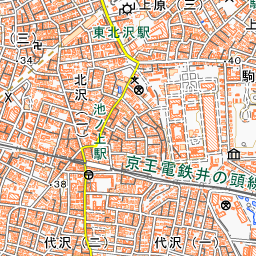
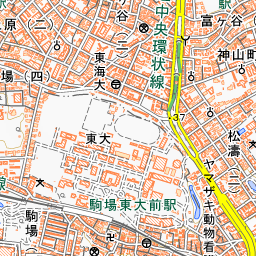
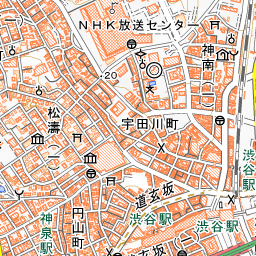
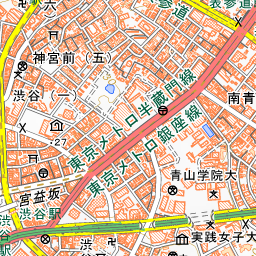
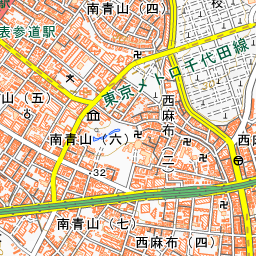


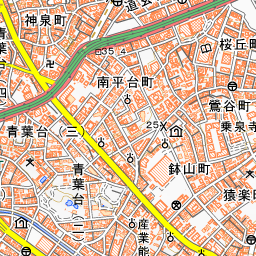
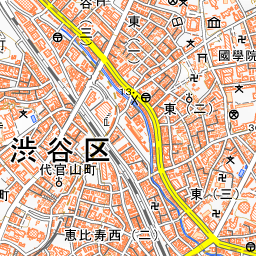
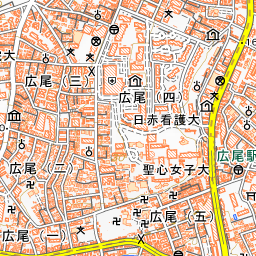

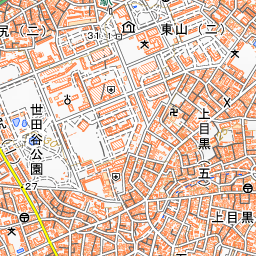

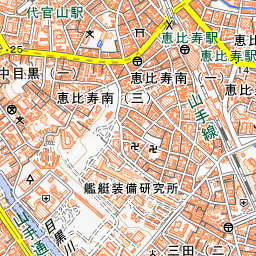
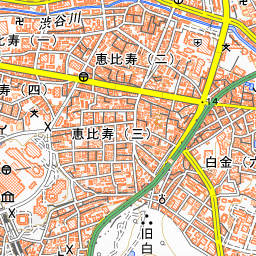
Spot location © OpenStreetMap contributors (ODbL)
Open in Google MapsUse asobot while you walk
- See where you are on the map and find spots nearby
- Listen to the guide's audio in course order, one after another (with subtitles)
- Walk to the next spot while following the map
Open on your phone
Scan to open this spot in asobot on your phone.