 ✨ AI Generated
Kitanomaru Park
Japanese: 北の丸公園
Chiyoda City, Tokyo
This information was written by AI and may contain mistakes. Please check official sources for opening hours, fees, and other details before you go.
Found a mistake? Let us know with “✏️ Something's wrong” on this spot's screen in asobot →
🎧 Audio guide(1:08)
In short
Kitanomaru Park is a forest park situated on the site of the former Kitanomaru (northern enclosure) of Edo Castle, and forms part of Kokyo Gaien National Garden. Established to commemorate the 60th birthday of Emperor Showa, it was widely opened to the public in 1969 (Showa 44). Featuring expansive lawns, a pond, and deciduous woods, it is cherished as a forest rich in both history and nature.
- Tayasumon Gate and Shimizumon Gate: Both are designated National Important Cultural Properties, and Tayasumon Gate is the oldest surviving architectural structure of the former Edo Castle.
- Cherry Blossoms and Mount Momiji: Over 200 cherry trees bloom in spring, while Japanese maples (iroha momiji) and other trees tint Mount Momiji in shades of red and yellow in autumn.
- Nippon Budokan and Cultural Facilities: Alongside the large-roofed Nippon Budokan, visitors can tour cultural institutions such as The National Museum of Modern Art, Tokyo and the Science Museum.
History and Highlights
Kitanomaru Park occupies the grounds of the northern enclosure (Kitanomaru) of Edo Castle during the Edo period, from which the park takes its name. During the reigns of the eighth shogun Tokugawa Yoshimune and the ninth shogun Tokugawa Ieshige, the residences of the Tayasu-Tokugawa family and Shimizu-Tokugawa family were situated here. The surviving Tayasumon Gate and Shimizumon Gate are the origins of both families' names.
From the Meiji period, the area was used as barracks for the Imperial Guard, and many buildings were constructed. Following World War II, a decision was made to utilize the site as green space surrounding the Imperial Palace, and development began in 1963 (Showa 38) as a forest park integrated with the Imperial Palace. Opened to commemorate Emperor Showa's 60th birthday, it was opened widely to the public in 1969 (Showa 44). Covering an area of 19.3 hectares, it is currently managed by the Ministry of the Environment as part of Kokyo Gaien National Garden.
The park grounds feature post-war lawns, a pond, and deciduous woods planted with satoyama trees such as mountain maples, keyaki (zelkova), konara oak, and kunugi oak, along with fruit-bearing trees favored by wild birds. Surrounding these are evergreen groves preserved since before the war. The Ministry of the Environment describes this woodland as a young forest approaching its 60th anniversary since opening. In surveys conducted in 2008 and 2009 (Heisei 20 and 21), 743 plant species and 57 bird species were identified.
Viewing and Experience Highlights
- Tayasumon Gate and Shimizumon Gate: Tayasumon Gate faces Yasukuni-dori Street to the north. The current gate dates back to 1636 (Kanei 13) and is the oldest surviving architectural structure of the former Edo Castle. Shimizumon Gate is the eastern gate of Kitanomaru, reconstructed in 1658 (Manji 1). Both gates were designated National Important Cultural Properties in 1961 (Showa 36).
- Cherry Blossoms and Mount Momiji: In spring, more than 200 cherry trees bloom, including yamazakura, Somei-Yoshino, and Oshima-zakura varieties. Along the cherry tree avenue in front of Tayasumon Gate, you can view the blossoms with the gate as a backdrop. In autumn, iroha momiji, o-momiji, and yama momiji maples turn red and yellow, dressing the park's Mount Momiji in rich hues.
- Nippon Budokan and Cultural Facilities: The Nippon Budokan was completed in September 1964 (Showa 39), hosting the judo competitions of that year's Tokyo Olympics. Its distinctive sweeping roof resembles the gentle slopes of Mount Fuji. Other cultural facilities nearby include The National Museum of Modern Art, Tokyo, the National Archives of Japan, the Science Museum, and Showakan.
Walking Tips
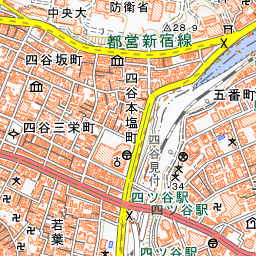
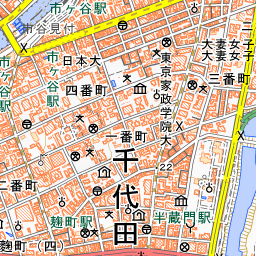
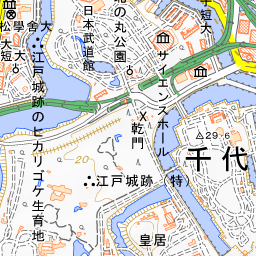
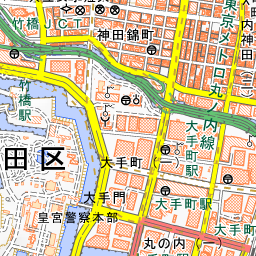
The nearest stations are Kudanshita Station and Takebashi Station, both about a 5-minute walk away. From Kudanshita Station, the Tayasumon Gate entrance serves as the entryway, while from Takebashi Station, the Kitahanebashimon Gate entrance and the Inuimon Gate entrance provide access. Passing through Tayasumon Gate and continuing along the moat leads to Chidorigafuchi. Walking along while enjoying the cherry trees of the Chidorigafuchi Greenway is also recommended. Across the East Gardens of the Imperial Palace, the area connects directly with Kokyo Gaien National Garden, allowing for an extended stroll.
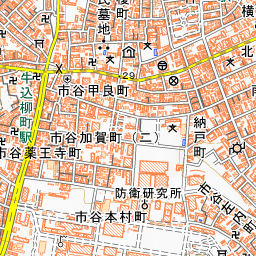
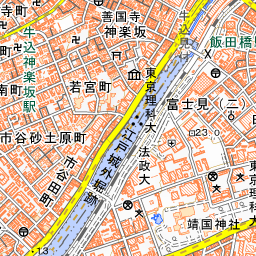

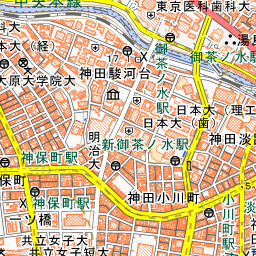
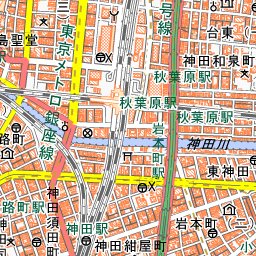
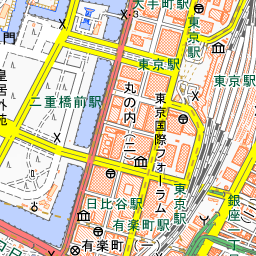
Spot location © OpenStreetMap contributors (ODbL)
Open in Google MapsGuides that include this spot (1)
Use asobot while you walk
- See where you are on the map and find spots nearby
- Listen to the guide's audio in course order, one after another (with subtitles)
- Walk to the next spot while following the map
Open on your phone
Scan to open this spot in asobot on your phone.