 ✨ AI Generated
Miraikan – The National Museum of Emerging Science and Innovation
Japanese: 日本科学未来館
Koto City, Tokyo
This information was written by AI and may contain mistakes. Please check official sources for opening hours, fees, and other details before you go.
Found a mistake? Let us know with “✏️ Something's wrong” on this spot's screen in asobot →
🎧 Audio guide(1:07)
In short
Miraikan – The National Museum of Emerging Science and Innovation is a national science museum located in Aomi in Tokyo Waterfront City. It opened on July 9, 2001. It is known for its spherical exhibit "Geo-Cosmos," which displays the appearance of Earth shining in space. The museum aims to be a place open to all people to consider and discuss science and technology.
- Geo-Cosmos: The museum's iconic exhibit, a sphere about 6 meters in diameter that projects the Earth's appearance in high resolution exceeding 10 million pixels
- Two Permanent Exhibitions: Floor 3 features permanent exhibitions themed on "Create your future," and Floor 5 on "Explore the frontiers"
- Dome Theater: An inclined dome about 15 meters in diameter where visitors can enjoy planetarium starry skies and full-dome stereoscopic 3D images
History and Highlights
Miraikan – The National Museum of Emerging Science and Innovation is a national science museum that opened on July 9, 2001. Built within the "Tokyo Academic Park" in the Tokyo Waterfront City, it is operated by the Japan Science and Technology Agency (JST), a National Research and Development Agency. Its founding philosophy is "a place open to all people to consider science and technology as part of culture, and to contemplate and discuss its role in society and future possibilities."
The symbol of the museum is the spherical exhibit "Geo-Cosmos," suspended in an open space extending from the 1st to the 6th floor. It measures approximately 6 meters in diameter, about 1/2,000,000 the size of the Earth. A total of 10,362 LED panels covering its surface display the shining appearance of the Earth in space with high resolution of over 10 million pixels.
Geo-Cosmos was created from the desire of its first Chief Executive Director, Mori Mamoru, who wanted to "share the appearance of the shining Earth as seen from space with many people," and has been on display since the museum's opening. In 1992, Mori became the first Japanese astronaut to fly on the Space Shuttle. It is said that when the display was rebuilt with OLED panels, Chief Executive Director Mori, having seen the Earth from space, was asked to determine the particularly difficult tone of blue. The panels were replaced with the current LEDs during the 2022 renewal.
Viewing and Experiencing Highlights
- Two Permanent Exhibitions: Floor 5, "Explore the frontiers," is a zone that explores the mechanisms of the world surrounding us across various scales, including space, the solar system, the global environment, and the life nurtured within it. Floor 3, "Create your future," is a zone for contemplating the shapes of society and living that we desire, along with the ideas to realize them.
- Dome Theater: Located on the 6th floor, this is an inclined dome-shaped theater with a diameter of about 15 meters. It screens large-screen images combining delicate starry skies with full-dome stereoscopic 3D visuals.
- Science Communicators: In the exhibition areas, Science Communicators engage in dialogue and demonstrations. Rather than simply imparting knowledge, they deepen discussions while thinking together with visitors.
Tips for Visitors
Geo-Cosmos can be viewed from below in the open Symbol Zone. On the touch-screen terminals located in the Symbol Zone and on the Oval Bridge, visitors can view 360-degree images that overlay data onto the Geo-Cosmos. The Observation Lounge on the 7th floor is a resting space offering views spanning from the surrounding Odaiba area to Tokyo Tower. The museum is about a 4-minute walk from Telecom Center Station and about a 5-minute walk from Tokyo International Cruise Terminal Station on the Yurikamome line.

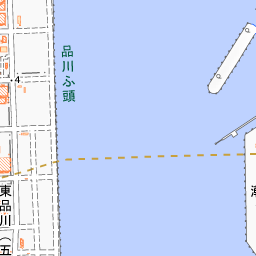
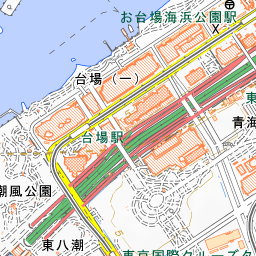
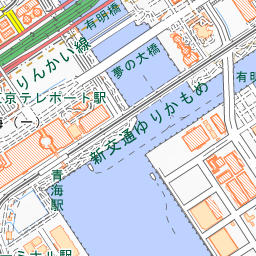
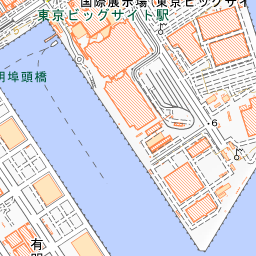
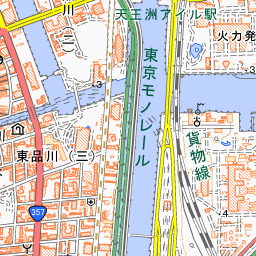
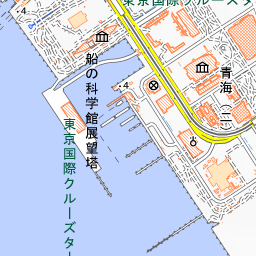
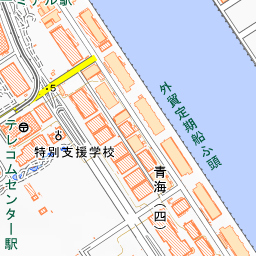
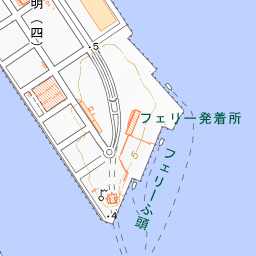
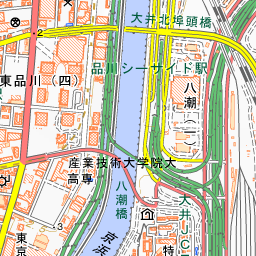


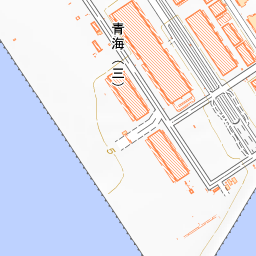
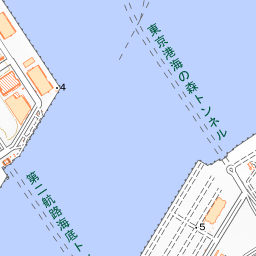
Spot location © OpenStreetMap contributors (ODbL)
Open in Google MapsGuides that include this spot (1)
Use asobot while you walk
- See where you are on the map and find spots nearby
- Listen to the guide's audio in course order, one after another (with subtitles)
- Walk to the next spot while following the map
Open on your phone
Scan to open this spot in asobot on your phone.