
Fude-no-Sato Kobo
Japanese: 筆の里工房
Kumano Town, Hiroshima
This information was written by AI and may contain mistakes. Please check official sources for opening hours, fees, and other details before you go.
Found a mistake? Let us know with “✏️ Something's wrong” on this spot's screen in asobot →
🎧 Audio guide(0:58)
In short
Fude-no-Sato Kobo is a brush museum in Kumano-cho, the production center of Kumano brushes. Built by Hiroshima Prefecture and Kumano-cho, it opened in 1994. It researches the history of Japanese brush making and introduces the culture woven by brushes, including calligraphy, painting, crafts, and cosmetics.
- Kimura Yozan Collection: A collection of brushes gathered by Kimura Yozan, a Kyoto calligrapher also renowned as a researcher and collector of ink brushes, said to have immeasurable value in understanding the history of brushes
- The World's Largest Brush and Artisan Demonstrations: You can see the "World's Largest Brush," measuring 3.7 meters in length and weighing 400 kilograms, and observe brush-making demonstrations by traditional craft artisans
- Brush-Making Experience: Of the 12 processes of brush making, you can experience two: "uwagemaki" (wrapping the outer hair) and "finishing"
History and Highlights
Fude-no-Sato Kobo is a brush museum located in Kumano-cho, the production center of Kumano brushes. Built by Hiroshima Prefecture and Kumano-cho as a facility to foster appealing town development by utilizing the regional characteristic of Kumano brushes, it opened in September 1994. While researching the history of Japanese brush making and gathering materials, it introduces the culture woven by brushes, including calligraphy, painting, crafts, and cosmetics.
The connection between Kumano and brushes began in the Edo period. In Kumano, where flat land is scarce, making a living solely through agriculture was difficult, so during the agricultural off-season, people procured brushes and ink from the Nara region to sell. In the late Edo period, a woman from Kumano married a brush artisan from Hakata in Chikuzen and returned to Kumano to make brushes, which is said to be the beginning. Later, residents who studied under the Hiroshima Domain's goyofudeshi (official brush maker) or mastered techniques in Arima in Settsu or in Nara returned to the village to pass on their techniques, and brush making is said to have taken root in Kumano. After the war, artists' brushes and makeup brushes utilizing ink-brush techniques also came to be produced in earnest. Kumano brushes became a traditional craft designated by the Minister of Economy, Trade and Industry in 1975.
Points for Appreciation and Experiences
- Kimura Yozan Collection: A collection of brushes gathered by Kimura Yozan, a calligrapher in Kyoto who was also renowned as a researcher and collector of ink brushes. It is considered to be the only and largest brush collection in Japan in terms of both quality and quantity. Because brushes used in daily life were extremely rarely passed down to later generations, it is said to have immeasurable value in understanding the history of brushes.
- The World's Largest Brush and Artisan Demonstrations: In the permanent exhibition, you can see the "World's Largest Brush," which measures 3.7 meters in length and weighs 400 kilograms. You can also observe demonstrations of brush making by traditional craft artisans.
- Brush-Making Experience: Among the 12 processes of brush making, you can experience the two steps of "uwagemaki" (wrapping outer hair) and "finishing." You can also take part in the experience dressed like an artisan in a samue (traditional work garment).
Tips for Visiting
Inside the facility, there is the "Kumano Brush Select Shop Main Store," which handles approximately 1,500 varieties of calligraphy brushes, paintbrushes, and makeup brushes, allowing visitors to pick up and choose Kumano brushes. In September 2026, the "Creative Studio," a new hub for cultural and artistic exchange, also opened. By car, it is about 25 minutes from the Hiroshima-Higashi Interchange on the Sanyo Expressway, and about 15 minutes from the Kurose Interchange on the Higashihiroshima-Kure Road. A bus route to Fude-no-Sato Kobo is also in service.

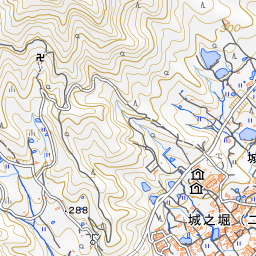


Spot location © OpenStreetMap contributors (ODbL)
Open in Google MapsGuides that include this spot (1)
Use asobot while you walk
- See where you are on the map and find spots nearby
- Listen to the guide's audio in course order, one after another (with subtitles)
- Walk to the next spot while following the map
Open on your phone
Scan to open this spot in asobot on your phone.