 ✨ AI Generated
Miyukimori Tenjingu Shrine
Japanese: 御幸森天神宮
Ikuno Ward, Osaka
This information was written by AI and may contain mistakes. Please check official sources for opening hours, fees, and other details before you go.
Found a mistake? Let us know with “✏️ Something's wrong” on this spot's screen in asobot →
🎧 Audio guide(1:14)
In short
A shrine located in Momodani, Ikuno Ward, whose main enshrined deities are Emperor Nintoku, Sukunahikona-no-Mikoto, and Osakahiko-no-Mikoto. An origin monument standing at the shrine entrance records that it came to be called "Miyuki-no-Mori" (the forest of imperial visits) because Emperor Nintoku, having established the capital in Naniwa, frequently rested in the forest here during falconry outings and other occasions. The honden (main hall), heiden (hall of offerings), haiden (worship hall), and sukibei (lattice fence), built in 1930, were registered as national Registered Tangible Cultural Properties in 2000.
- Cypress Worship Hall and Hall of Offerings: The worship hall is in the irimoya-zukuri (hip-and-gable) style, with a front entrance canopy featuring a gently curved karahafu (cusped gable). Together with the hall of offerings connecting the main hall and worship hall, it is built with high-quality Japanese cypress
- The Main Hall Viewed Through the Lattice Fence: The main hall is built in the sangensha nagare-zukuri style, with a chidori hafu (dormer gable) and noki karahafu (cusped bargeboard gable) on the front of the roof. The sukibei fence, extending from behind the worship hall to encircle the main hall, features rows of renjimado (lattice windows), and the floor of the main hall is raised so that it can be viewed through this fence
- Ancient Aphananthe Trees: Five old muku trees on the grounds are designated as preserved urban woodland by the city, reflecting the wish to "protect the town's precious greenery together"
History and Highlights
Miyukimori Tenjingu Shrine is a shrine located in Momodani, Ikuno Ward, and its main enshrined deities are Emperor Nintoku, Sukunahikona-no-Mikoto, and Osakahiko-no-Mikoto.
Around 1,600 years ago, this area around Ikaino was a port in an inlet of Naniwa known as "Ikai-no-Tsu," inhabited by the Ikaibe people, who held the ancient role of raising boars and pigs. An origin monument standing at the shrine entrance records that it came to be called "Miyuki-no-Mori" (the forest of imperial visits) because Emperor Nintoku, having established the capital in Naniwa, frequently rested in the forest here during falconry outings and other occasions.
The current honden (main hall), heiden (hall of offerings), haiden (worship hall), and the sukibei (lattice fence) surrounding the main hall were built in 1930 and were registered as national Registered Tangible Cultural Properties in 2000. The main hall, hall of offerings, and worship hall form a single connected structure and are considered a good example of "Kamakura revival style" shrine architecture, built in the early Showa period in emulation of Kamakura period styles. The design of the main hall is said to have been done by Yoshida Tanejiro of Nara. In 2016, it was also designated as an Urban Landscape Resource of Osaka City.
Viewing and Experience Points
- Cypress Worship Hall and Hall of Offerings: The worship hall features an irimoya-zukuri (hip-and-gable) roof with a gently curved karahafu (cusped gable) over the front entrance. Together with the hall of offerings connecting the main hall and worship hall, it is built with high-quality Japanese cypress.
- The Main Hall Viewed Through the Lattice Fence: The main hall is built in the sangensha nagare-zukuri style with a chidori hafu (dormer gable) and noki karahafu (cusped bargeboard gable) on the front of the roof. The sukibei fence extending from behind the worship hall to encircle the main hall features rows of renjimado (lattice windows), and the floor of the main hall is raised so that it can be viewed through this fence.
- Ancient Aphananthe Trees: Five old muku (Aphananthe aspera) trees on the grounds are designated as preserved urban woodland by Osaka City, reflecting the desire to "protect the town's precious greenery together."
Walking Tips
To the east of Miyukimori Tenjingu Shrine extends the shopping street of Osaka Korea Town. Visitors can combine their visit with a walk through Osaka Korea Town, located about 240 meters to the east, or Tsuruhashi Shopping Street, located about 680 meters to the northwest. In the same neighborhood of Momodani 3-chome lies Tsurunohashi Site Park, which is said to be the historic site of the bridge of Ikai-no-Tsu mentioned in the Nihon Shoki (The Chronicles of Japan).
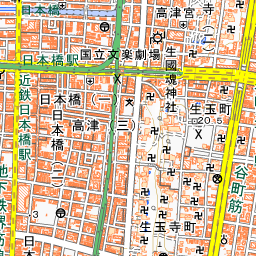
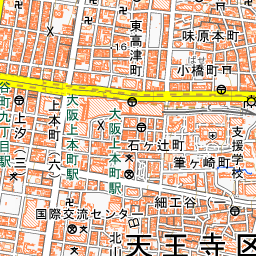

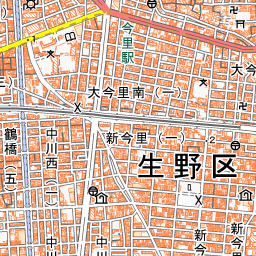
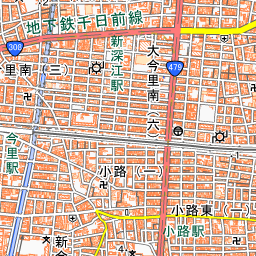
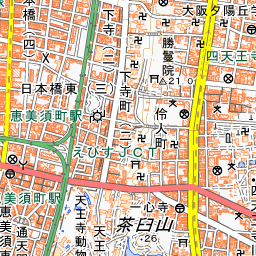
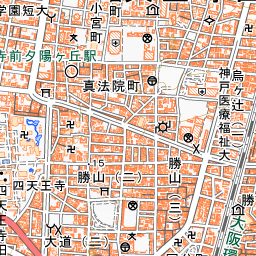
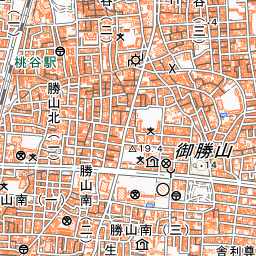
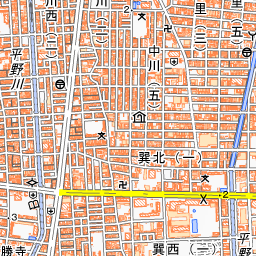

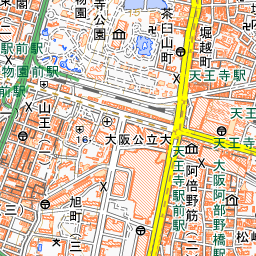

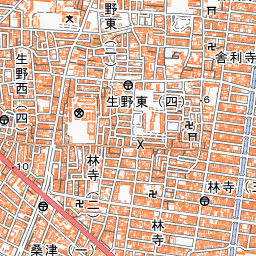
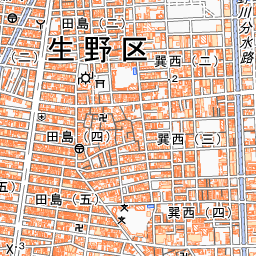

Spot location © OpenStreetMap contributors (ODbL)
Open in Google MapsGuides that include this spot (1)
Use asobot while you walk
- See where you are on the map and find spots nearby
- Listen to the guide's audio in course order, one after another (with subtitles)
- Walk to the next spot while following the map
Open on your phone
Scan to open this spot in asobot on your phone.