 ✨ AI Generated
Meguro Fudo Temple
Japanese: 目黒不動
Meguro City, Tokyo
This information was written by AI and may contain mistakes. Please check official sources for opening hours, fees, and other details before you go.
Found a mistake? Let us know with “✏️ Something's wrong” on this spot's screen in asobot →
🎧 Audio guide(1:08)
In short
Meguro Fudo Temple is the common name for Taieizan Ryusen-ji Temple, a Tendai Buddhist temple. It is said to have been founded in 808 by Jikaku Daishi Ennin and is regarded as the oldest Fudo pilgrimage site in the Kanto region. The third shogun, Tokugawa Iemitsu, deeply revered the temple, and it became one of the leading pilgrimage and excursion spots in the suburbs of Edo.
- Tokko Falls: A waterfall where a spring is said to have welled up when Ennin threw a Buddhist ritual implement called a tokko (vajra); pure water flows from the mouth of a bronze dragon.
- The Main Hall and Dainichi Nyorai: The main hall stands on high ground up a steep stone staircase, behind which sits a bronze seated statue of Dainichi Nyorai. The principal image, Fudo Myo'o, is a hidden Buddha (hibutsu).
- Tomb of Aoki Kon'yo: The grave of Aoki Kon'yo, known as the "Sweet Potato Master" for promoting sweet potato cultivation, designated as a National Historic Site.
History and Highlights
Meguro Fudo Temple is the common name of Taieizan Ryusen-ji Temple, a temple of the Tendai sect. It is one of the Edo Goshiki Fudo (Five-Colored Fudo of Edo), and there is also a theory that the place name "Meguro" originated from this temple.
According to temple records, in 808, a 15-year-old Ennin (later Jikaku Daishi) had a spiritual dream here while traveling toward Mount Hiei. It is said that upon waking, he carved the image he had seen, which became the principal image, Fudo Myo'o. The temple is regarded as the oldest Fudo pilgrimage site in the Kanto region.
In a fire in 1615, almost all the temple halls and pagodas were destroyed. A story is told about how the restoration came about. When the third shogun, Tokugawa Iemitsu, was falconing in Meguro, his beloved falcon went missing. When Iemitsu himself prayed here, it is said that the falcon immediately flew back to a pine tree in front of the main hall. Deeply venerating the temple, Iemitsu constructed a massive compound comprising 53 buildings. The halls and towers came to be called the "Meguro Goten" (Meguro Palace), and the temple became one of the foremost pilgrimage and leisure destinations in the Edo suburbs, leading to a bustling temple town (monzen-machi).
Viewing and Experience Points
- Tokko Falls and Mae Fudodo Hall: Legend holds that when Ennin threw his ritual implement, a tokko, a spring gushed forth and became a waterfall. Even today, two streams of pure water pour from a bronze dragon's mouth, beside which stands "Mizukake Fudo," worshipped by pouring water over it. To the left of the falls stands Mae Fudodo Hall, a mid-Edo period Buddhist hall designated as a Tangible Cultural Property by the Tokyo Metropolitan Government.
- The Main Hall and Dainichi Nyorai: Straight ahead, the stone staircase known as "Otokozaka Slope" ascends at an incline of nearly 45 degrees, while the gentler "Onnazaka Slope" is located to its right. Atop the high ground, the main hall was rebuilt in 1981, and Kawabata Ryushi's painting "Hato Ryuzu" (Dragon in the Surging Waves) adorns its ceiling. The principal image of Fudo Myo'o is a secret Buddha, unveiled to the public only once every 12 years in the Year of the Rooster. Behind the main hall sits a bronze seated statue of Dainichi Nyorai dating from 1683.
- Tomb of Aoki Kon'yo: In the cemetery behind the main hall lies the grave of Aoki Kon'yo, who was called "Kansho-sensei" (Sweet Potato Master) for popularizing the cultivation of sweet potatoes. The front of the monument reads "Kansho-sensei Grave," and it is said that Kon'yo erected it during his lifetime. It is designated as a National Historic Site.
Walking Tips
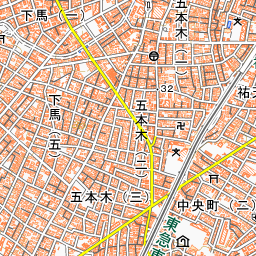
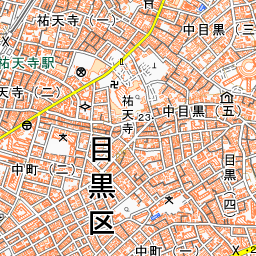
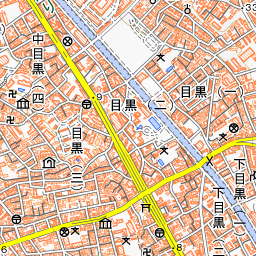
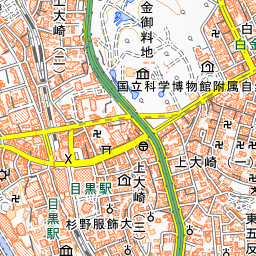
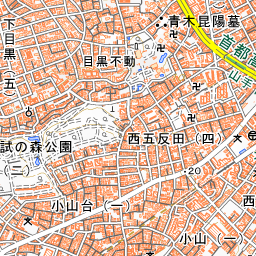
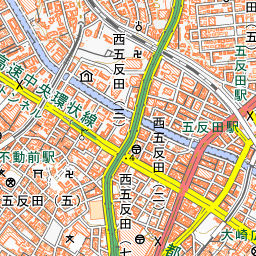
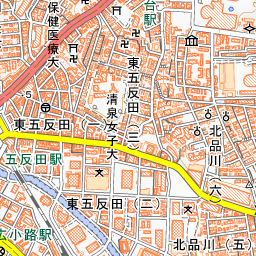
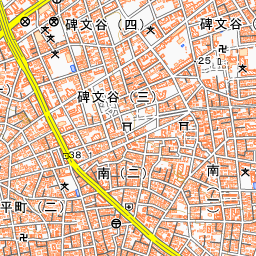
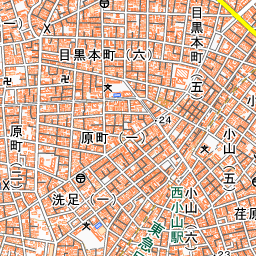
Passing through the Nio-mon Gate, you will see directly ahead the stone staircase leading up to the main hall. It is recommended to first see Tokko Falls and Mae Fudodo Hall to the left at the base of the staircase, then climb the stairs and walk through the main hall, the Dainichi Nyorai statue behind it, and finally the cemetery. A grand temple fair is held on the 28th of every month, with stalls lining the temple front and grounds. At the Sweet Potato Festival on October 28 every year, stalls selling sweet potatoes also appear. The temple is a 15-minute walk from Fudomae Station on the Tokyu Meguro Line, or a 20-minute walk from Meguro Station. Gohyaku Rakan-ji Temple is located approximately 140 meters in a straight line to the east-northeast, and Meguro Parasitological Museum is about 380 meters to the north-northwest.
Guides that include this spot (1)
Use asobot while you walk
- See where you are on the map and find spots nearby
- Listen to the guide's audio in course order, one after another (with subtitles)
- Walk to the next spot while following the map
Open on your phone
Scan to open this spot in asobot on your phone.