 ✨ AI Generated
Asakusa Hanayashiki
Japanese: 浅草花やしき
Taito City, Tokyo
This information was written by AI and may contain mistakes. Please check official sources for opening hours, fees, and other details before you go.
Found a mistake? Let us know with “✏️ Something's wrong” on this spot's screen in asobot →
🎧 Audio guide(0:57)
In short
Asakusa Hanayashiki is an amusement park located in Okuyama, behind Senso-ji Temple. Opened in 1853 (Kaei 6) by landscape gardener Morita Rokusaburo as a flower garden showcasing peonies and chrysanthemum works, it is considered to be Japan's oldest amusement park. Inside the park, the oldest surviving roller coaster in Japan is still in operation today.
- Roller Coaster: A coaster created in 1953. While its top speed is 42 km/h, it speeds right past set facades of residential houses.
- Memorial Monument for Animals and Birds: Erected in the park, this monument honors the memory of the animals that were euthanized during the Great Kanto Earthquake.
- Flowers and Plants: Thousands of varieties of flowers and plants can be found throughout the park, tended by a dedicated gardening team. These can be seen as a remnant of the era when it was a flower garden.
History and Highlights
Asakusa Hanayashiki is considered to be Japan's oldest amusement park, originally opened in 1853 (Kaei 6). Landscape gardener Morita Rokusaburo leased land from Senso-ji Temple and opened it as a flower garden (kaen) showcasing peonies and chrysanthemum displays. At the time, its area was 2,400 tsubo (approx. 8,000 square meters), which appears to have been larger than it is today. It also seems to have been called an "ueki chaya" (plant teahouse), where visitors admired flowers while sipping tea.
Amusement attractions began to be introduced around 1872 (Meiji 5). The transformation into a full-fledged amusement park gained momentum in the Meiji 20s (1887–1896) under the management of lumber merchant Yamamoto Kinzo. In 1887, the five-story Ozankaku pavilion was relocated here, earning renown as a high-rise structure alongside the Asakusa Junikai (Ryounkaku) until it collapsed in the Great Kanto Earthquake.
From the Taisho era to the early Showa era, it also became one of the country's prominent zoos. However, during the 1923 Great Kanto Earthquake, many disaster victims took shelter here, leading to many of the kept animals being put to death with poison. After closing during the war, it reopened in 1947 as the amusement park "Asakusa Hanayashiki."
Points for Viewing and Experiencing
- Roller Coaster: Created in 1953, this is the oldest surviving roller coaster in Japan. While its top speed is 42 km/h, it runs right by set pieces resembling residential houses.
- Memorial Monument for Animals and Birds: A monument erected to mourn the animals that had to be put down during the Great Kanto Earthquake. Visitors can pause here in the park and connect with this place's history.
- Flowers and Shiawase Bridge: Thousands of varieties of flowers and plants flourish in the park, maintained by a dedicated gardening team. The Shiawase Bridge in the center of the park retains traces of the park's past as a flower garden.
Tips for Exploring
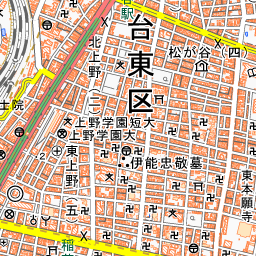
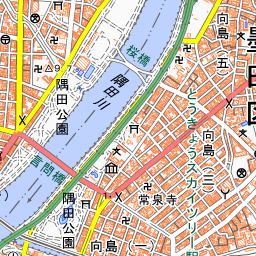
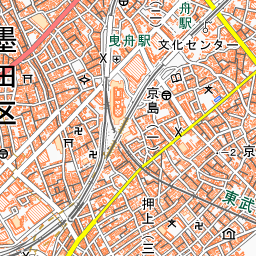
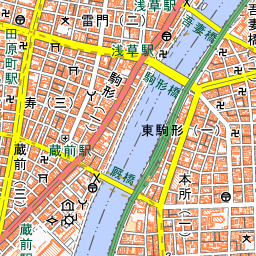
The only entrance is the Asakusa Gate on the Senso-ji Temple side, which was remodeled in 2006 to resemble an Edo-period town building. The exit is located near Kokusai-dori Street. The Sky Plaza on the rooftop of the building at the back of the park is a rest area offering views of the park's attractions and Tokyo Skytree. The Panda Car rides are also said to have originated at Hanayashiki. The park is a 5-minute walk from Asakusa Station on the Tsukuba Express, and a 10-minute walk from Asakusa Station served by the Tokyo Metro Ginza Line, Toei Asakusa Line, and Tobu Skytree Line. Senso-ji Temple is approximately 250 meters to the south, and Hoppy-dori Street is approximately 200 meters to the south.
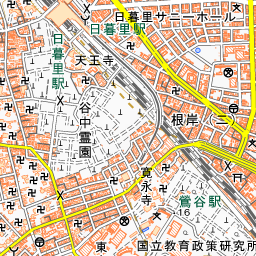
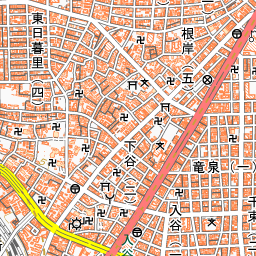
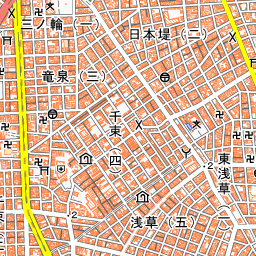
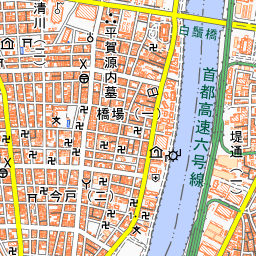





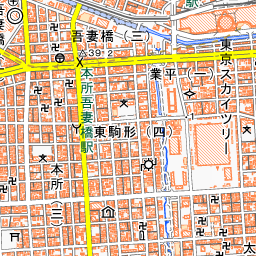
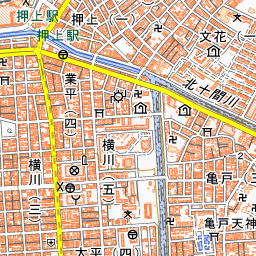
Spot location © OpenStreetMap contributors (ODbL)
Open in Google MapsGuides that include this spot (1)
Use asobot while you walk
- See where you are on the map and find spots nearby
- Listen to the guide's audio in course order, one after another (with subtitles)
- Walk to the next spot while following the map
Open on your phone
Scan to open this spot in asobot on your phone.