 ✨ AI Generated
Mejiro Garden
Japanese: 目白庭園
Toshima City, Tokyo
This information was written by AI and may contain mistakes. Please check official sources for opening hours, fees, and other details before you go.
Found a mistake? Let us know with “✏️ Something's wrong” on this spot's screen in asobot →
🎧 Audio guide(1:02)
In short
Mejiro Garden is a Toshima Municipal Japanese garden located in a residential area about a 5-minute walk from Mejiro Station. Opened in 1990, it is a chisen-kaiyushiki (strolling pond) garden where you can stroll along paths looping around a central pond. The sukiya-style Sekicho-an Teahouse was named after Akai Tori ("Red Bird"), a children's magazine founded in present-day Mejiro by Suzuki Miekichi.
- Pond and Cascading Waterfall: A waterfall pouring at a volume of 3 tons of water per minute flows into the pond.
- Sekicho-an Teahouse and Hexagonal Ukimi-do Hall: The sukiya-style Sekicho-an Teahouse and the hexagonal Ukimi-do Hall are arranged around the pond.
- Seasonal Scenery: Enjoy views of each season, from weeping cherry blossoms in spring and autumn foliage to yukitsuri (rope supports for pine branches) in winter.
History and Highlights
Mejiro Garden is a Toshima Municipal Japanese garden created in a quiet residential neighborhood of Mejiro. It opened in 1990 on the former site of housing for the Mutual Aid Association of Public School Teachers. It is a chisen-kaiyushiki (strolling pond) garden centered on a pond with walking paths laid out around it.
Inside the garden, the Sekicho-an Teahouse is a wooden building with a tiled roof constructed in the sukiya architectural style. Its name is derived from Akai Tori, a magazine founded in present-day Mejiro in 1918 by Suzuki Miekichi. Akai Tori was a children's magazine featuring fairy tales and children's songs. Authors such as Kikuchi Kan and Tanizaki Jun'ichiro contributed works, giving rise to a children's literature movement known as the "Akai Tori Movement." Narita Tamezo composed music for Saijo Yaso's poem Kanariya ("Canary") published in the magazine, which gave birth to a children's song. The Association of Children's Song Writers of Japan has designated July 1, the day Akai Tori was first published, as "Children's Song Day." Suzuki Miekichi lived southeast of Mejiro Garden from 1922 to 1924.
Viewing and Experience Highlights
- Cascading Waterfall and Rock Arrangements: Flowing into the pond is a cascading waterfall with a volume of 3 tons of water per minute. The water cascades down from the top of the 4-meter-high falls, spraying droplets. The rock arrangements around the waterfall evoke the atmosphere of deep mountains and valleys.
- Sekicho-an Teahouse and Hexagonal Ukimi-do Hall: Surrounding the pond are the sukiya-style Sekicho-an Teahouse and the hexagonal Ukimi-do Hall. Sekicho-an Teahouse is a tea room that is also used as a venue for events.
- Seasonal Scenery and Wildlife: Weeping cherry blossoms in spring and autumn leaves are magnificent. In winter, pine trees are fitted with yukitsuri rope supports. Eastern spot-billed ducks live in the pond, and around May in early summer, visitors can sometimes catch glimpses of them raising their chicks.
Tips for Exploring
It is about a 5-minute walk from JR Mejiro Station. Since the garden path encircles the pond, you can take a leisurely stroll around it while viewing the waterfall, Sekicho-an Teahouse, and Ukimi-do Hall in turn. Night illuminations have been held annually when the autumn maples change color. On days when the wind is calm, the autumn leaves are reflected on the pond's surface. Located about 290 meters to the northeast is Jiyu Gakuen Myonichikan, which can be easily combined with a visit here.
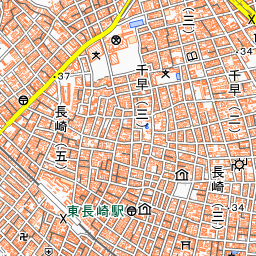
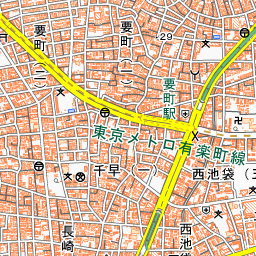


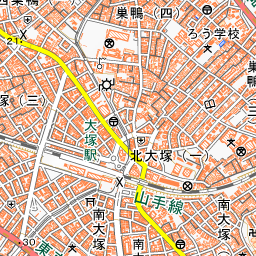
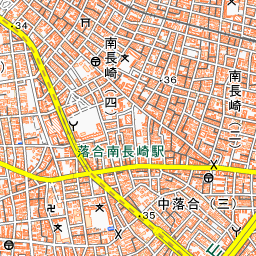
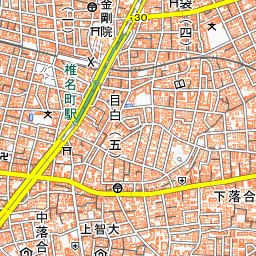
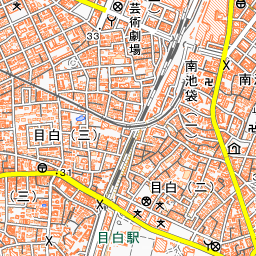
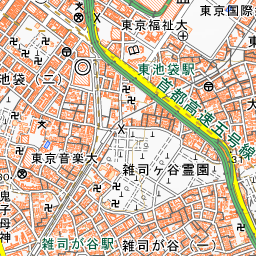


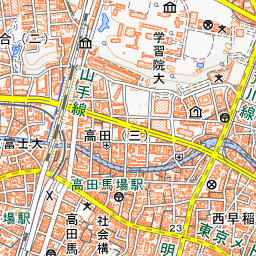
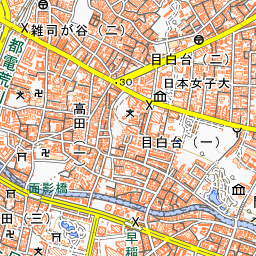
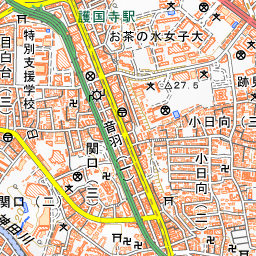
Spot location © OpenStreetMap contributors (ODbL)
Open in Google MapsGuides that include this spot (1)
Use asobot while you walk
- See where you are on the map and find spots nearby
- Listen to the guide's audio in course order, one after another (with subtitles)
- Walk to the next spot while following the map
Open on your phone
Scan to open this spot in asobot on your phone.